Stand price calculator Barcelona:
get a realistic range
before you request quotes

If you’re searching for a stand price calculator in Barcelona, you’re usually trying to solve one urgent problem: you need a number you can take to your team.
Not a fantasy number. Not a “from” price that explodes later. A realistic range that helps you decide what is feasible, what to simplify, and what to ask suppliers to include so you can compare quotes properly.
This calculator is designed for that exact moment.
At Stands.Barcelona, we’ve seen the same cost story repeat: exhibitors request quotes too early, before scope is clear, then receive wildly different proposals that are impossible to compare. The “cheapest” one becomes expensive later because key items weren’t included, or because technical needs and finishing expectations were never written down.
So the goal here is not to guess an exact price. The goal is to give you a reliable range based on the decisions that actually drive exhibition stand cost in Barcelona: footprint, open sides, stand type, objectives (leads, demos, meetings), venue context (Gran Via, Montjuïc, CCIB), and how disciplined your scope will be.
If you want the full explanation of cost drivers (without any fluff), start here: /exhibition-stand-cost-barcelona/
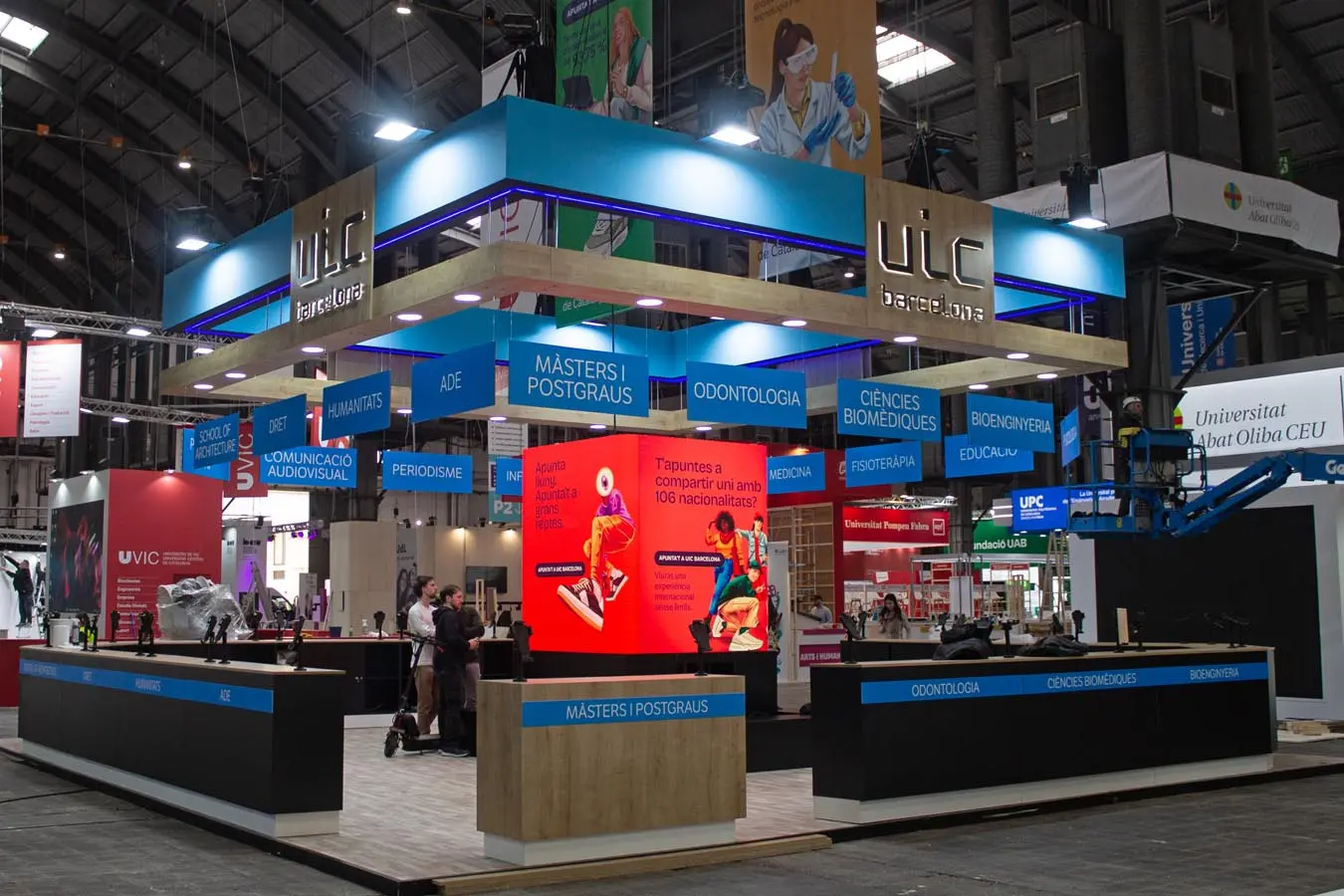
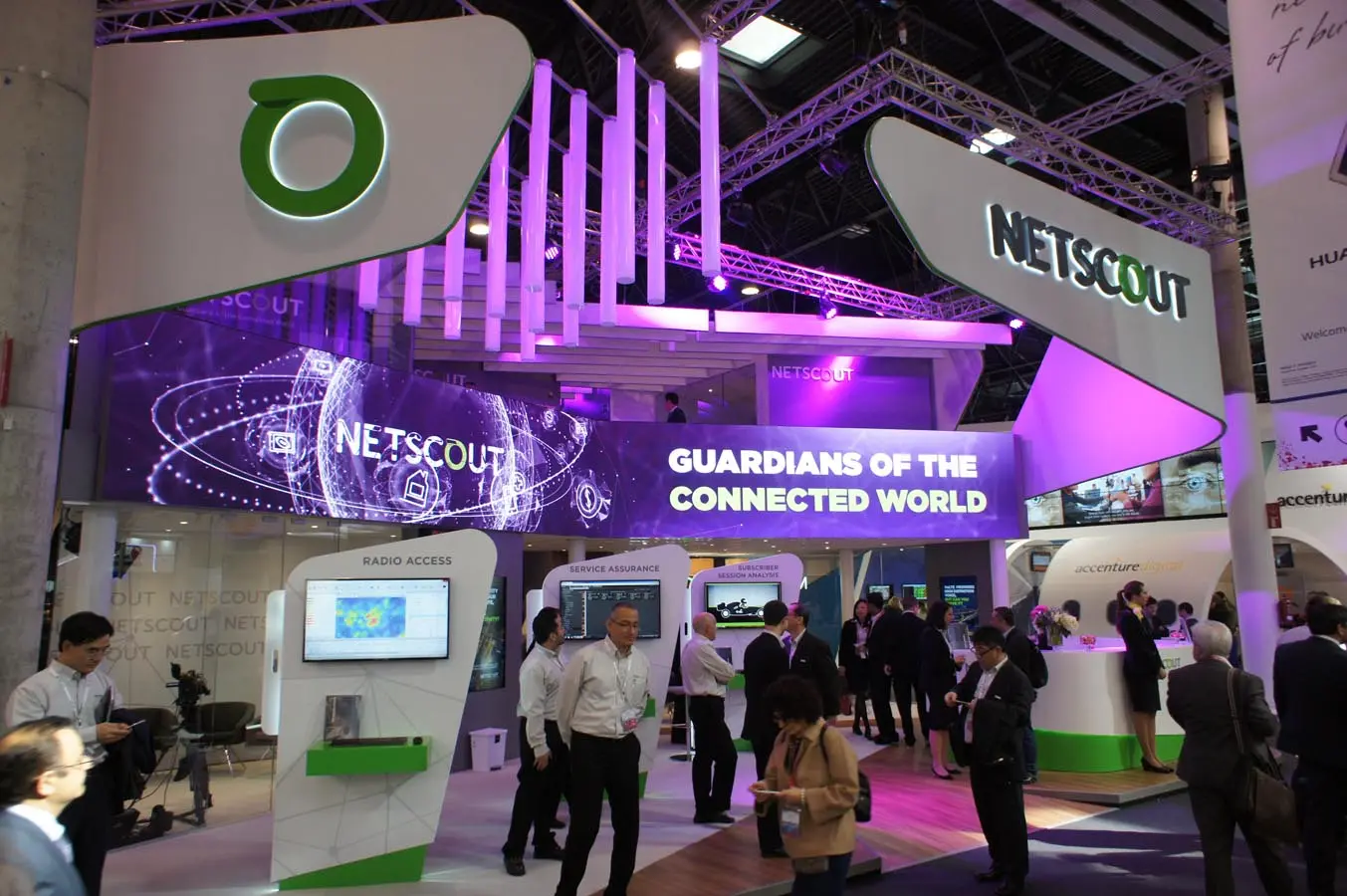
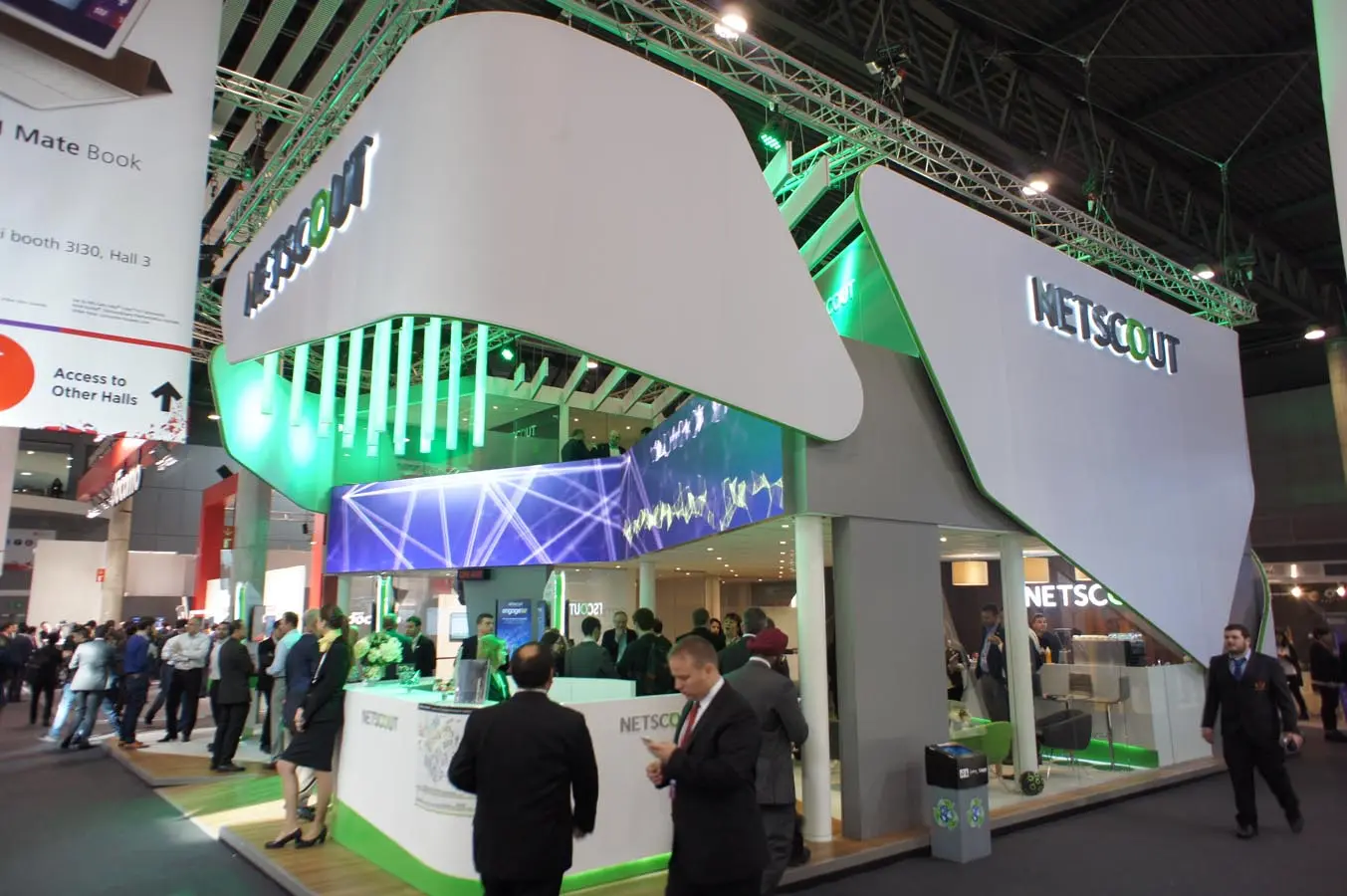
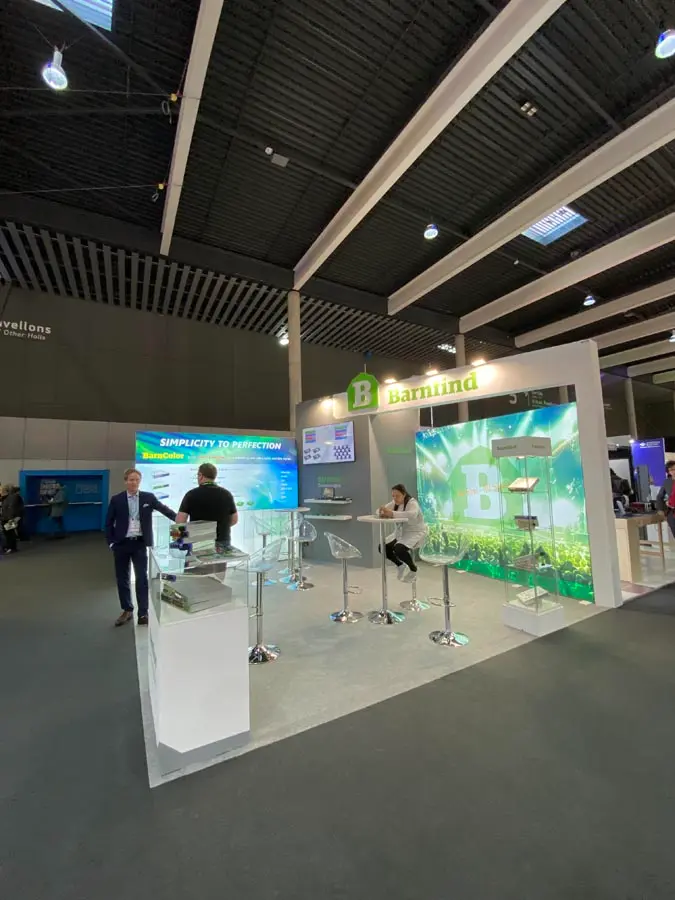
What this stand price calculator is
(and what it is not)
It is a practical estimator to help you:
- Build a realistic internal budget range
- Understand what decisions move cost up or down
- Choose the right stand strategy (modular, hybrid, custom, bespoke, hire, double deck)
- Request quotes that are comparable and less likely to drift
It is not
- A final quote
- A promise that every supplier will match the same figure
- A substitute for a written scope with inclusions and exclusions
Trade show projects are not priced like online shopping carts. The same footprint can be a simple, controlled system or an overbuilt architecture with heavy technical needs. The calculator helps you avoid the common mistake of assuming those are “the same project.”
What this stand price calculator is
(and what it is not)
Because single numbers create false certainty.
Exhibition stands are priced based on scope and risk. And risk changes when:
- approvals are late
- requirements keep moving
- technical needs appear late (power, AV, lighting)
- the finishing level is unclear
- graphics and content are not final
A range is honest. It helps you choose what to lock early and what to keep optional. That is how budgets stay stable.
If you need an exact quote, the fastest way to get one is:
- use the calculator to choose a realistic direction
- send your brief via /contact/ so scope is clear and comparable
How the calculator works
(simple, practical inputs)
A good estimate starts with inputs that reflect real show behaviour. Here’s what we use.
1) Venue (Barcelona)
Choose where you’re exhibiting:
- Fira Barcelona Gran Via
- Fira Barcelona Montjuïc
- CCIB
Venue matters because it changes traffic intensity, demo expectations, and practical constraints that influence planning and risk.
Visit: /venues-barcelona/
2) Stand size and footprint
Pick your footprint. We publish practical guidance for each size: /stand-designs/
Available sizes include:
3×3, 3×4, 3×5, 3×6, 3×7, 3×8, 3×9, 3×10, 5×5, 8×5, 10×5, 10×10, 15×10, 20×10.
Your footprint is not only a cost variable. It is a workflow variable:
- How many conversations can your team run at once?
- Can you demo without blocking entry?
- Can meetings happen without killing inbound traffic?
- Do you have enough storage to stay tidy on day two?
The best budget decisions are the ones that match footprint to behaviour.
3) Open sides
Select how many sides are open:
- 1 open side
- 2 open sides (corner)
- 3 open sides (peninsula)
- 4 open sides (island)
Open sides influence flow design and how many “finished” edges you need. They also change how visible the stand must be in 360°.
4) Stand type (delivery strategy)
Choose your preferred strategy:
- Hire / rental: /exhibition-stands-hire-barcelona/
- Modular: /modular-exhibition-stands-barcelona/
- Hybrid: /hybrid-exhibition-stands-barcelona/
- Custom: /custom-exhibition-stands-barcelona/
- Bespoke: /bespoke-exhibition-stands-barcelona/
- Double deck: /double-deck-exhibition-stands-barcelona/
- Sustainable focus: /sustainable-exhibition-stands-barcelona/
Stand type is one of the strongest cost drivers because it changes complexity and risk.
5) Primary objective
Select the main goal:
- Lead-first (high volume, clear capture)
- Demo-first (visible proof, technical stability)
- Meeting-first (calm usable meetings, professional feel)
A stand can support multiple actions, but it needs one primary objective or costs drift into “trying to do everything.”
6) Industry context (optional but useful)
Some industries demand more demo reliability or more meeting privacy. If relevant, select:
Technology, Food, Pharma, Automotive, Gaming, Travel.
This helps the calculator flag typical needs:
- stronger demo planning (common in Technology and Automotive)
- hygiene/storage discipline (common in Food)
- trust and meeting professionalism (common in Pharma)
- brand experience and engagement (common in Gaming)
- hosting and meeting rhythm (common in Travel)
Stand cost comparisons
Exhibition Stand Price Calculator
Enter your stand details
Only the final estimate is shown.
Add-ons
These are added on top of the base build and can increase the final total.
Custom items (optional)
Add any extra line items as € totals.
Not included: organiser/venue services and fees such as electrical box, power supply, rigging points, water & drainage, catering, and similar services.
Estimate
What the estimate typically includes
(and what you should confirm)
The calculator is designed to produce a realistic range based on typical inclusions. But you should still confirm inclusions in writing when requesting quotes.
A quote-ready scope normally clarifies:
- Structure and build approach (stand type)
- Flooring assumptions (included or optional)
- Lighting level (basic vs upgraded)
- Graphics scope (what surfaces, what format)
- Counters and practical elements (including storage)
- Basic furniture assumptions (if required)
- Technical assumptions (power, AV, demo needs)
The fastest way to avoid surprises is to turn calculator choices into a written brief and send it through >> Here
The biggest cost drivers
(so you know what moves the range)
If you only remember one thing: most budgets drift because decisions are late.
1) Complexity without purpose
A stand becomes expensive when it adds custom elements that don’t change behaviour:
- More walls, less clarity
- More features, less usability
- More “design”, less conversion
The best stands in Barcelona feel calm because they are selective.
2) Heavy demos and late technical needs
If you demo, plan power and AV early.
Late technical additions are expensive, and they create rushed decisions that reduce reliability.
3) Finishing level assumptions
Premium is not a single checkbox. If “premium” is not defined, suppliers will assume different levels, and quotes will be incomparable.
4) Open sides and flow pressure
Island and peninsula stands can require more finishing and more flow planning. Congestion is silent conversion loss, so good planning is worth it.
5) Timeline and approvals
Compressed timelines add risk. Risk gets priced. The calmest budget strategy is early clarity.
Understand Cost Structure
If you want the full cost logic in plain language, visit /exhibition-stand-cost-barcelona/
How to compare quotes properly
(so you don't buy the wrong project)
If you want a fair comparison, ask every supplier to respond to the same brief and provide scope in writing.
A comparable quote should include:
- footprint and open sides (confirmed)
- stand type and concept assumptions
- a clear list of inclusions
- optional upgrades listed separately
- exclusions stated clearly
- finishing assumptions (what level is included)
- technical assumptions (power/AV/lighting expectations)
- approval deadlines and what happens if content is late
If a quote hides these details, it is not cheaper. It is incomplete.
How to use the calculator to get better quotes
(the practical method)
Here is the simplest way to turn an estimate into a comparable quote process:
- Choose footprint and open sides
- Choose stand type and primary objective
- Decide must-haves (demo? meeting space? storage?)
- Keep optional upgrades optional (list them separately)
- Send the same brief to suppliers so quotes reflect the same project
Use:
Then request quotes here >> /contact/
This is how you avoid the classic Barcelona problem:
five quotes, five different realities.
Stand cost comparisons
that actually help decision-making
People often ask, “Which is cheaper: modular or custom?”
The better question is, “Which is more controllable for my objective and timeline?”
Here are the most useful comparisons:
Hire vs modular
Hire is often best for one event with speed and controlled scope.
Modular is best when you want repeatability across multiple shows.
Modular vs hybrid
Modular is reliable and repeatable.
Hybrid adds one custom signature that creates impact without turning into a full custom risk profile.
Custom vs bespoke
Custom is tailored to objective and workflow.
Bespoke is flagship perception-led architecture with a commercial role.
Meeting-first:
double deck vs single-level meeting-first
Double deck is worth it when meeting demand is real and heavy.
Many teams convert better with a disciplined single-level meeting-first layout if meetings are not consistently scheduled.
If you want guidance, start with:
Cost Guide
If you want a cost explanation written plainly
Request a Quote
Evenrything you need to start your project
After the calculator: what we need to confirm a quote
If you want a reliable quote that doesn't drift, send:
- Event name + dates
- Venue (Gran Via / Montjuïc / CCIB)
- Stand size (m²) and footprint if known (e.g., 10×5)
- Open sides (1 / 2 / 3 / 4)
- Primary objective (leads / demos / meetings)
- Must-haves (AV, storage, meeting space, product display)
- Deadline for design approval
You can also use the brief template:
Phone: +34 609 70 92 56
FAQs:
Frequently Asked Questions
No. It provides a realistic range based on key cost drivers. Final quotes require a written scope with inclusions, options and assumptions.
Because stand cost changes with scope clarity, technical needs, finishing level and timeline risk. A range is more reliable for budgeting.
Stand type (modular/hybrid/custom/bespoke/hire), footprint, open sides, demo/AV requirements, and how early approvals and content are locked.
Yes. Gran Via, Montjuïc and CCIB differ in traffic intensity and practical constraints. Venue-aware planning reduces surprises.
Provide footprint (or m²), open sides, objective, and must-haves (especially demo/AV and meeting needs). Then request a quote via /contact/.
Different inclusions, finishing assumptions, technical planning, and risk pricing. Without written inclusions/exclusions, quotes are not comparable.
Modular is often more predictable and sometimes lower, but the best choice depends on objective, timeline and the level of differentiation you need.
Often yes. Hybrid keeps a modular backbone for stability and adds one purposeful custom element for impact and conversion.
Late changes, unclear inclusions, and technical needs discovered late. The fix is early scope discipline and clear written assumptions.
Yes. Many teams use booth terminology. In Barcelona, “stand” is the common term. The pricing drivers are the same.
3×3, 3×4, 3×5, 3×6, 3×7, 3×8, 3×9, 3×10, 5×5, 8×5, 10×5, 10×10, 15×10, 20×10.
Yes. We can work from m² and refine once the organiser confirms footprint and open sides.
Yes. Reuse-first modular/hybrid strategies and reduced late-change waste can be incorporated into the scope and estimate direction.
Send your inputs through /contact/ so we can confirm scope and provide a comparable quote.
Use the calculator to pick a direction, then request a quote via /contact/ or call +34 609 70 92 56.