Stand designs by size in Barcelona:
choose the footprint that fits your objective,
not just your budget

If you’re planning a trade show in Barcelona, picking the right footprint is one of the few decisions that can make everything else easier: design clarity, visitor flow, staff performance, and cost stability.
But most exhibitors choose stand size for the wrong reason.
They choose it because “that’s what we had last year,” or because procurement found a number that looks safe, or because the team wants to be bigger than a competitor. Then the project becomes a series of compromises: the stand is crowded, the message is unclear, the demo blocks entry, meetings feel awkward, and costs drift because the footprint can’t support the objective.
This hub is here to fix that.
At Stands.Barcelona, we treat exhibition stand design Barcelona as a behaviour system: how people approach, what they understand in seconds, where they stop, and how your team turns interest into the next step (capture, meeting, demo deep dive). Once the footprint matches the objective, the rest becomes calmer.
If you already know your footprint, jump directly to the size page:
- 3×3: /stand-designs/3×3-exhibition-stand-barcelona/
- 3×4: /stand-designs/3×4-exhibition-stand-barcelona/
- 3×5: /stand-designs/3×5-exhibition-stand-barcelona/
- 5×5: /stand-designs/5×5-exhibition-stand-barcelona/
- 8×5: /stand-designs/8×5-exhibition-stand-barcelona/
- 10×5: /stand-designs/10×5-exhibition-stand-barcelona/
- 10×10: /stand-designs/10×10-exhibition-stand-barcelona/
- 15×10: /stand-designs/15×10-exhibition-stand-barcelona/
- 20×10: /stand-designs/20×10-exhibition-stand-barcelona/
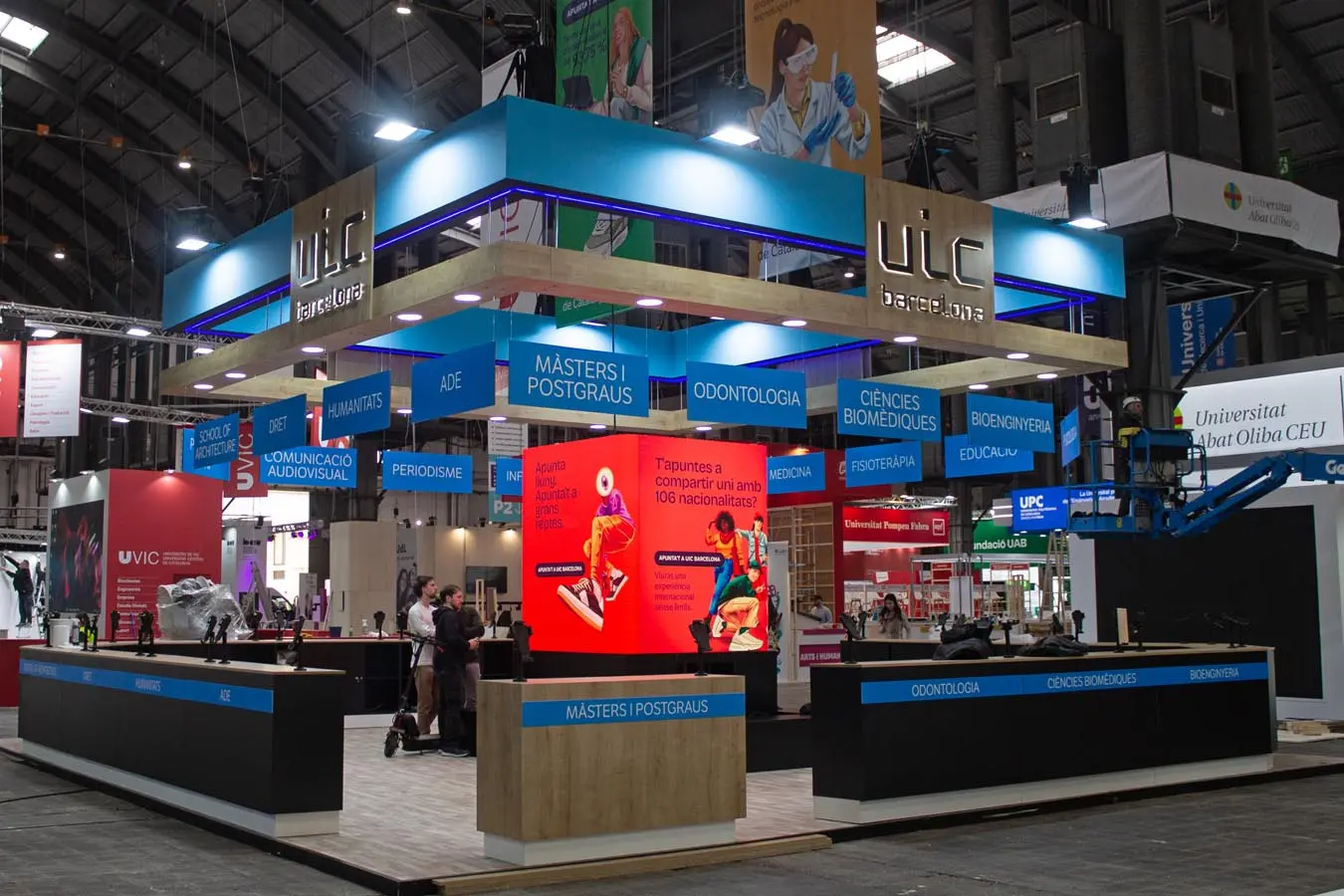
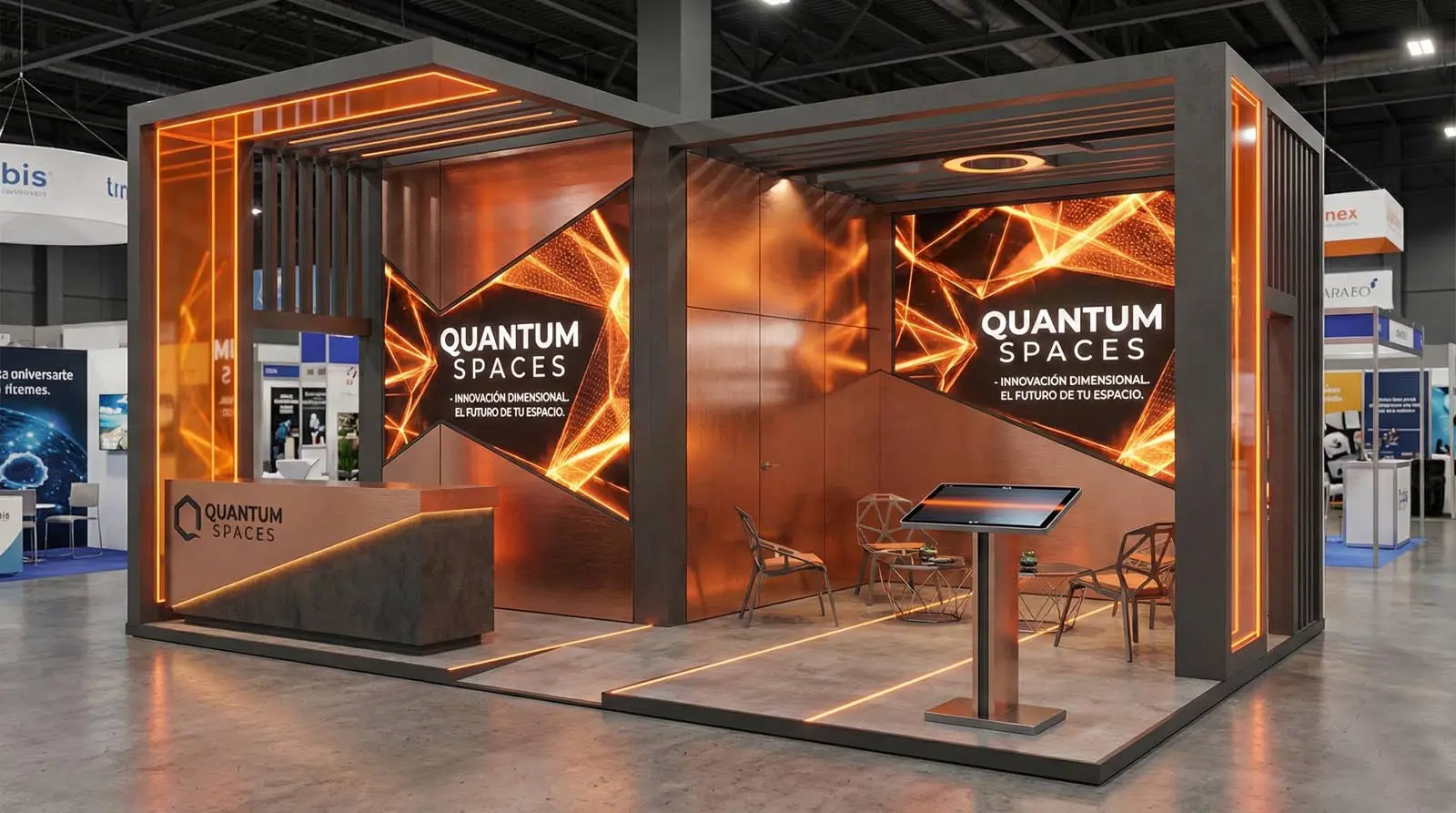
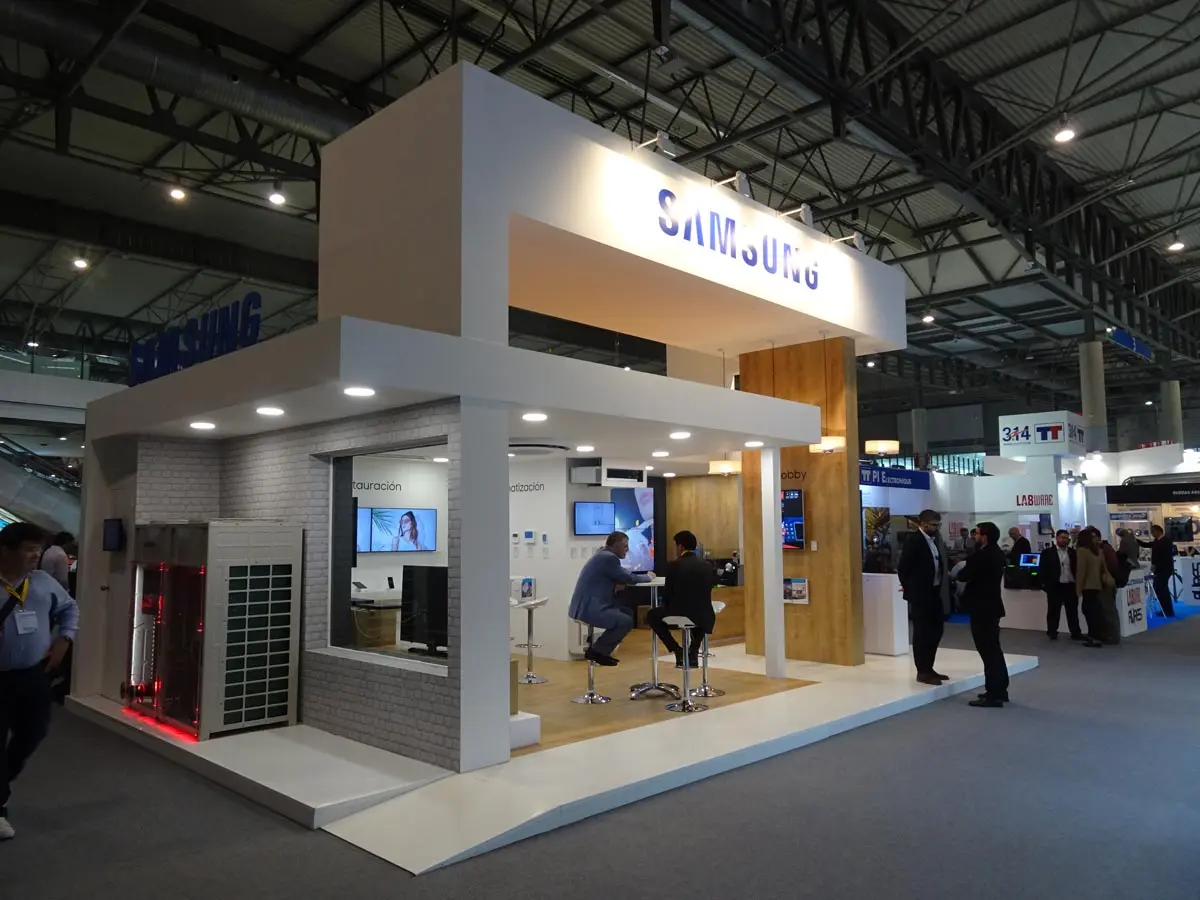
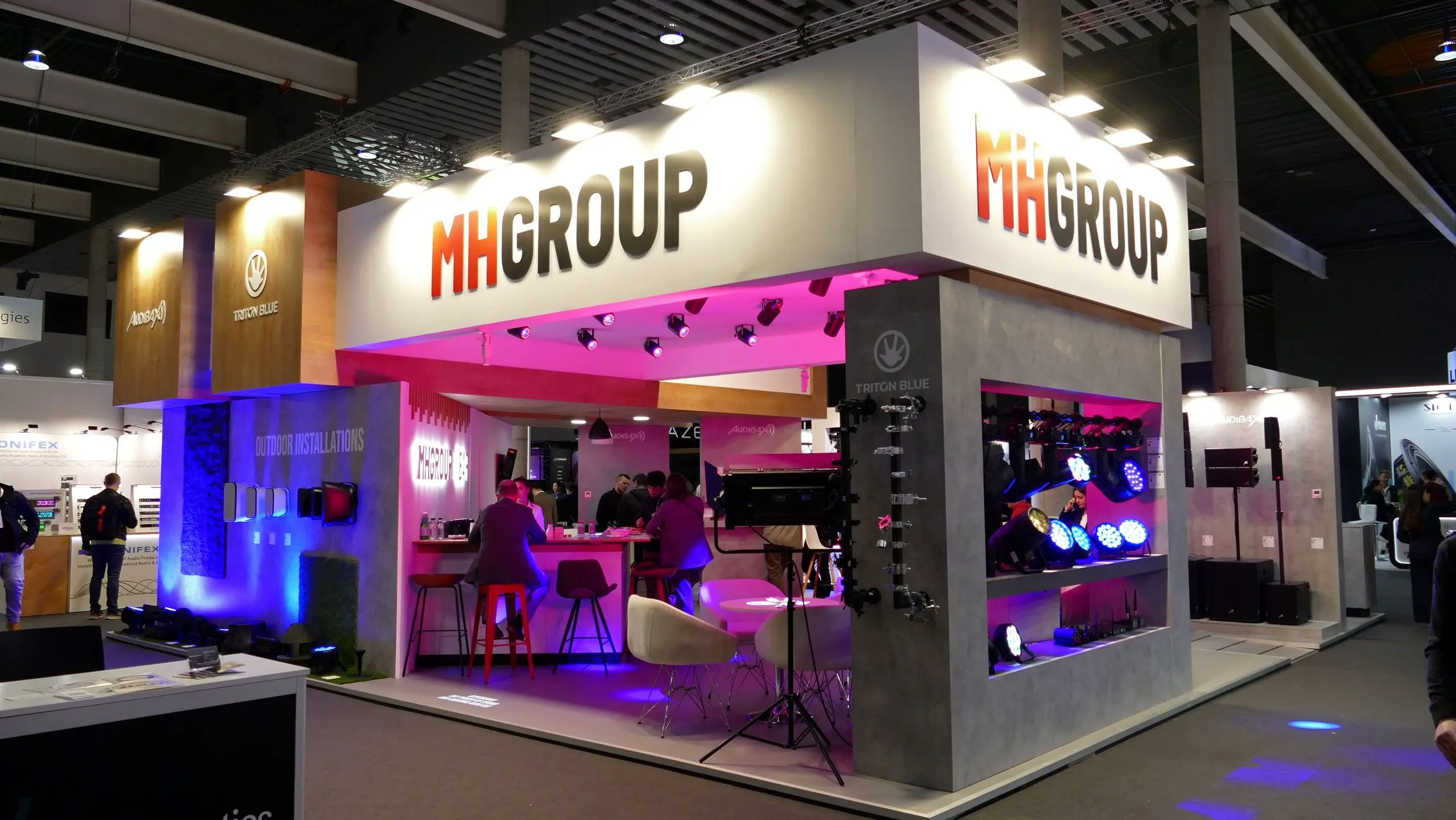
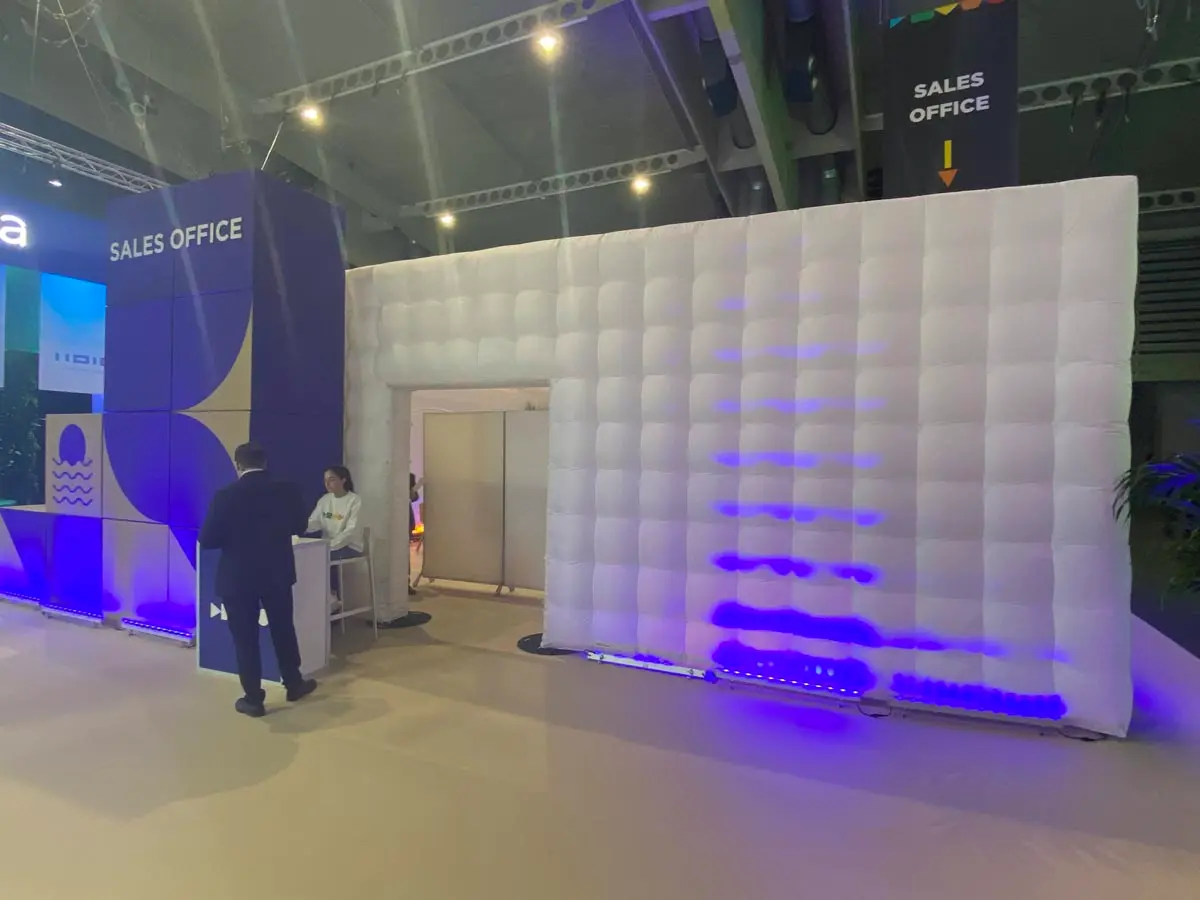
Why stand size matters more in Barcelona than most teams expect
Barcelona shows often move fast. Visitors scan at walking speed. Traffic spikes happen. And your team’s time is expensive. That makes two things critical:
- Clarity (what you do, for whom, and why you’re credible)
- Flow (entry, lanes, proof moment, and the next step)
A footprint that’s too small for your objective forces your staff to compensate all day. A footprint that’s too big for your objective creates scope creep and cost drift.
The best footprint is not “the biggest.” It’s the one that lets you run your objective calmly.
If you want the deeper design logic:
If you’re comparing suppliers and want execution certainty:
If you want services explained (scope clarity, planning, delivery mindset):
Stand sizes comparison
(quick decision table)
Use this as a fast orientation. Then click into your size page for layout patterns and cost drivers.
Stand size | Best for | Primary objective fit | Typical stand type fit | Key risk if done wrong |
|---|---|---|---|---|
| 3×3 (9m²) | Minimal footprint, sharp messaging, fast capture | Lead-first, lightweight proof | Modular / Hybrid | Visual noise, blocked entry |
| 3×4 (12m²) | More breathing room, better zoning | Lead-first + clearer proof | Modular / Hybrid | Trying to add meetings and cluttering |
| 3×5 (15m²) | Separating proof from capture | Lead-first or demo-first | Hybrid / Modular | Corridor layouts that collapse flow |
| 5×5 (25m²) | Balanced footprint, small meetings possible | Demo + leads + small meetings | Hybrid / Custom | Overbuilding and closing the stand |
| 8×5 (40m²) | Multi-zone systems, real viewing space | Demo-first or meeting-first | Hybrid / Custom | Feature creep and lane confusion |
| 10×5 (50m²) | Multiple conversations at once | Demo + meetings at scale | Hybrid / Custom / Bespoke | Lack of governance, messy operations |
| 10×10 (100m²) | Island clarity and flagship presence | Proof + meetings, 360° visibility | Hybrid / Custom / Bespoke | No “start point” for visitors |
| 15×10 (150m²) | Enterprise hosting, multiple zones | Meetings + demos, high traffic | Hybrid / Custom / Bespoke | Maze-like layouts, too many stories |
| 20×10 (200m²) | Flagship destination stand | Multi-demo + meeting suite | Custom / Bespoke | Building a feature museum, not a journey |
If you want a budget range before requesting quotes: /stand-price-calculator-barcelona/
Cost drivers explained: /exhibition-stand-cost-barcelona/
Which size should I choose?
(a practical decision guide)
Most exhibitors choose size from the outside in: start with budget, then force the objective into the footprint.
Better approach: choose from the inside out.
Step 1: Choose one primary objective
You can support multiple goals, but choose one primary objective so the layout stays coherent.
Lead-first: You need fast approach, quick qualification, and frictionless capture that still works during peak moments.
Demo-first: You need a visible proof moment plus viewing space that doesn’t block entry or the aisle. Technical planning and flow discipline matter.
Meeting-first: You need calm conversation zones that remain approachable. Privacy should be a choice, not a barrier that kills inbound interest.
Step 2: Match objective to minimum footprint
- Lead-first: 3×3 can work when messaging is disciplined; 3×4 and 3×5 often feel calmer.
- Demo-first: 3×5 can work for lightweight demos; 5×5 and above gives real viewing space.
- Meeting-first: 5×5 can support small meetings; 8×5 and above supports meeting programs without closing the stand.
Step 3: Decide how many conversations you need at once
This is the “hidden” footprint driver.
- One conversation at a time: 3×3, 3×4, 3×5
- Two conversations at a time: 5×5
- Multiple conversations at once: 8×5, 10×5 and above
Step 4: Factor in open sides (flow and finishing)
Open sides change both performance and finishing expectations. An island stand needs 360° coherence; you can’t hide the “back wall.” A corner can be incredibly efficient if the corner is used as a flow advantage, not a dead zone.
Step 5: Choose the stand type (predictability vs differentiation)
- Modular: /modular-exhibition-stands-barcelona/
- Hybrid: /hybrid-exhibition-stands-barcelona/
- Custom: /custom-exhibition-stands-barcelona/
- Bespoke: /bespoke-exhibition-stands-barcelona/
- Hire/rental: /exhibition-stands-hire-barcelona/
- Double deck (when meeting volume justifies it): /double-deck-exhibition-stands-barcelona/
- Sustainable strategy: /sustainable-exhibition-stands-barcelona/
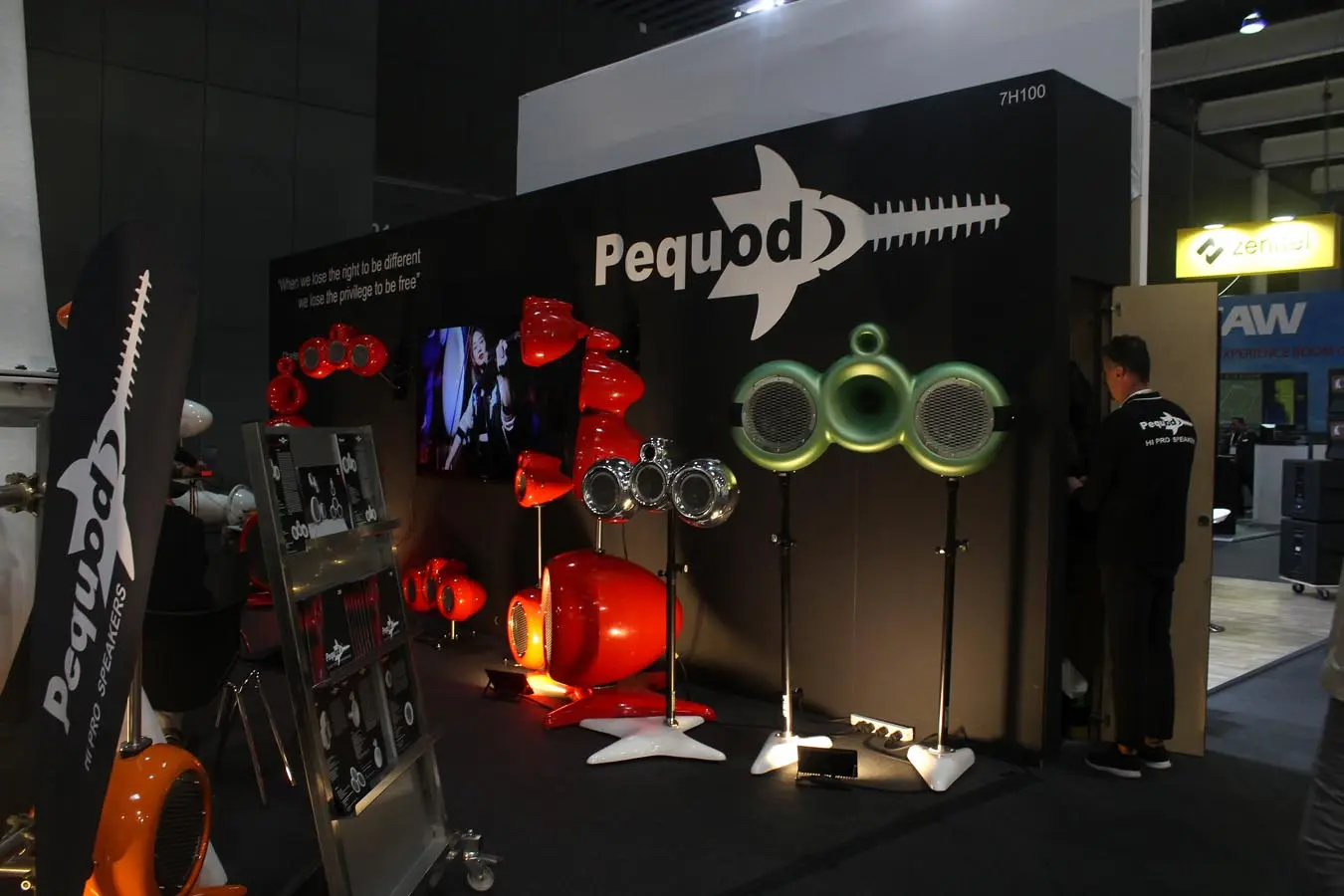
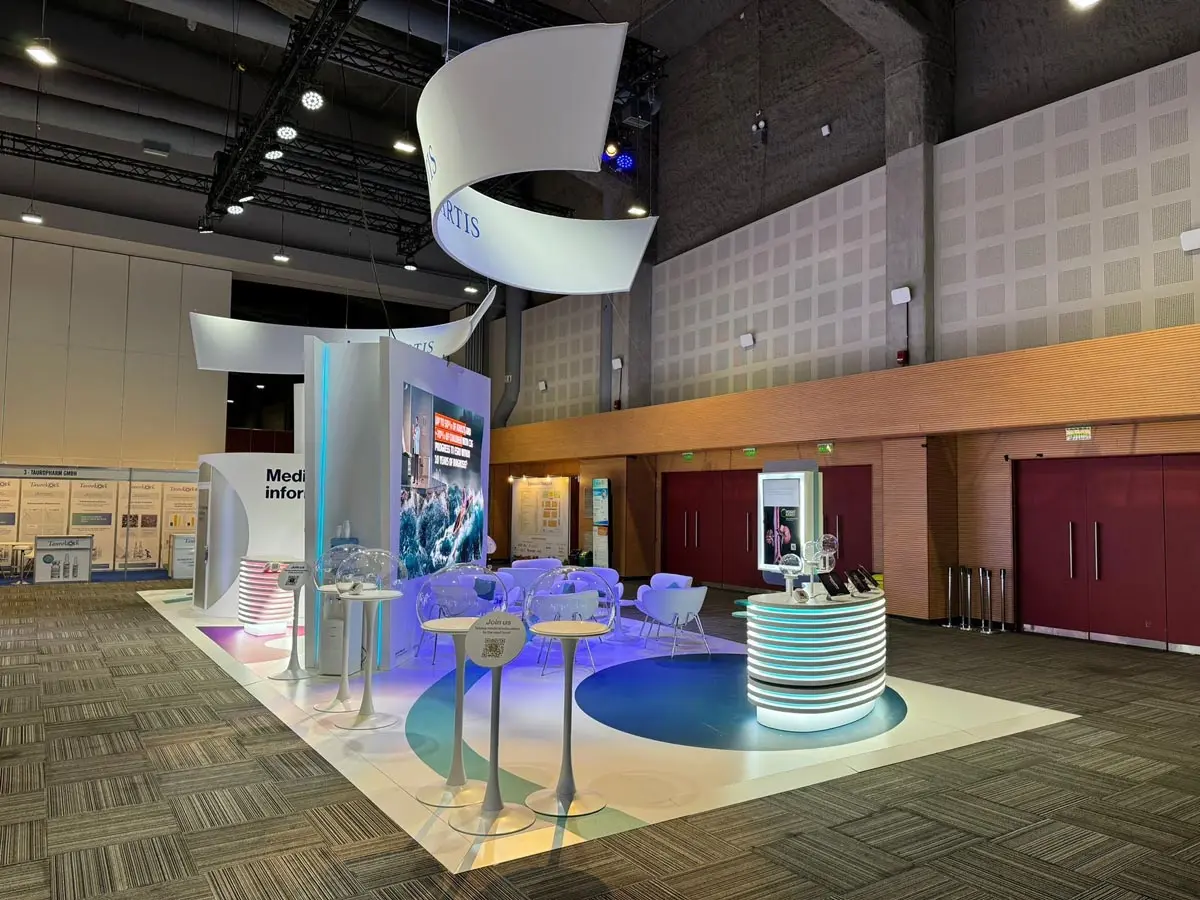
Hybrid is often the strongest “Barcelona middle”: stable delivery plus one signature element that creates stop power without full custom risk.
Pick your size
(links + what each page gives you)
Each size page includes: best layouts, open-side logic, stand type recommendations, cost drivers, a practical checklist, and FAQs.
Small footprints (clarity and speed)
- 3×3: /stand-designs/3×3-exhibition-stand-barcelona/
- 3×4: /stand-designs/3×4-exhibition-stand-barcelona/
- 3×5: /stand-designs/3×5-exhibition-stand-barcelona/
Balanced footprint (zoning without chaos)
Medium to large footprints (multi-zone conversion systems)
- 8×5: /stand-designs/8×5-exhibition-stand-barcelona/
- 10×5: /stand-designs/10×5-exhibition-stand-barcelona/
Flagship footprints (360° coherence and governance)
Cost and scope:
how to avoid the "late-change tax"
Most budget problems don’t come from the footprint. They come from late decisions:
- demo/AV requirements decided late
- finishing level assumed but not defined
- content and graphics changing near build-up
- last-minute upgrades because the layout wasn’t fit for the objective
Cost Guide
If you want a cost explanation written plainly
Stand Price Calculator
If you want a fast directional range before requesting quotes
What to send us (so we can answer with clarity, not vague promises)
- Event name + dates
- Venue (Gran Via / Montjuïc / CCIB)
- Stand size (m²) and footprint if known (e.g., 10×5)
- Open sides (1 / 2 / 3 / 4)
- Primary objective (leads / demos / meetings)
- Must-haves (AV, storage, meeting space, product display)
- Deadline for design approval
➔ You can also use the brief template
Phone: +34 609 70 92 56
FAQs:
Frequently Asked Questions
Lead-first can work from 3×3 upward if messaging is disciplined and capture is frictionless. 3×4 and 3×5 often feel calmer for qualification.
Lightweight demos can work from 3×5. For reliable viewing space and crowd control, 5×5 and above is usually safer.
Small meetings can work from 5×5 if zoning stays approachable. For meeting programs, 8×5 and above is often more comfortable.
No. Bigger stands often create feature creep, slower approvals, higher risk and higher cost drift. The best stand is the one that matches your objective.
Open sides shape entry and flow. Island stands require 360° coherence; corner stands can be highly efficient; peninsula stands need lane discipline.
Modular is predictable, hybrid is often the best middle, custom is best when workflow and zoning must be tailored. The right choice depends on objective and timeline.
Late technical decisions, unclear finishing expectations, and late content changes that cause reprints and rework.
Yes. Premium perception comes from message hierarchy, lighting discipline, clean surfaces and hidden clutter-more than from size.
Often yes with modular or hybrid strategies, but the layout usually needs adjustments for open sides and objective per event.
Start with /stand-price-calculator-barcelona/, then request a scope-based quote via /contact/.
Visual noise and blocked entry. Small stands must be ruthless about simplicity.
Lack of governance: too many zones, too many stories, and no clear visitor journey.
Both. The trade fair sets behaviour (demo-first vs meeting-first), and the venue sets intensity and flow realities.
Yes. We structure scope and decisions clearly so approvals and procurement are easier across teams and time zones.
Send your event, venue, footprint, open sides, objective and must-haves via /contact/ or call +34 609 70 92 56.