Hybrid exhibition stands in Barcelona
that balance impact and control
without turning the project into chaos

Hybrid is what most serious exhibitors actually want, even if they don't use the word.
They want the stand to feel branded and intentional, not like a standard system. They want a clear presence in Barcelona without the risk profile of an all-out bespoke build. They want to approve faster, keep scope stable, and still have a stand that makes people stop, understand, and take the next step.
That is the hybrid advantage: modular stability plus custom impact, designed as a conversion system rather than a collection of parts.
At Stands.Barcelona, we approach hybrid the same way we approach exhibition stand design in Barcelona: behaviour first, then structure. We start with what the stand must do (leads, demos, meetings), then we build the simplest system that can do it repeatedly under show pressure.
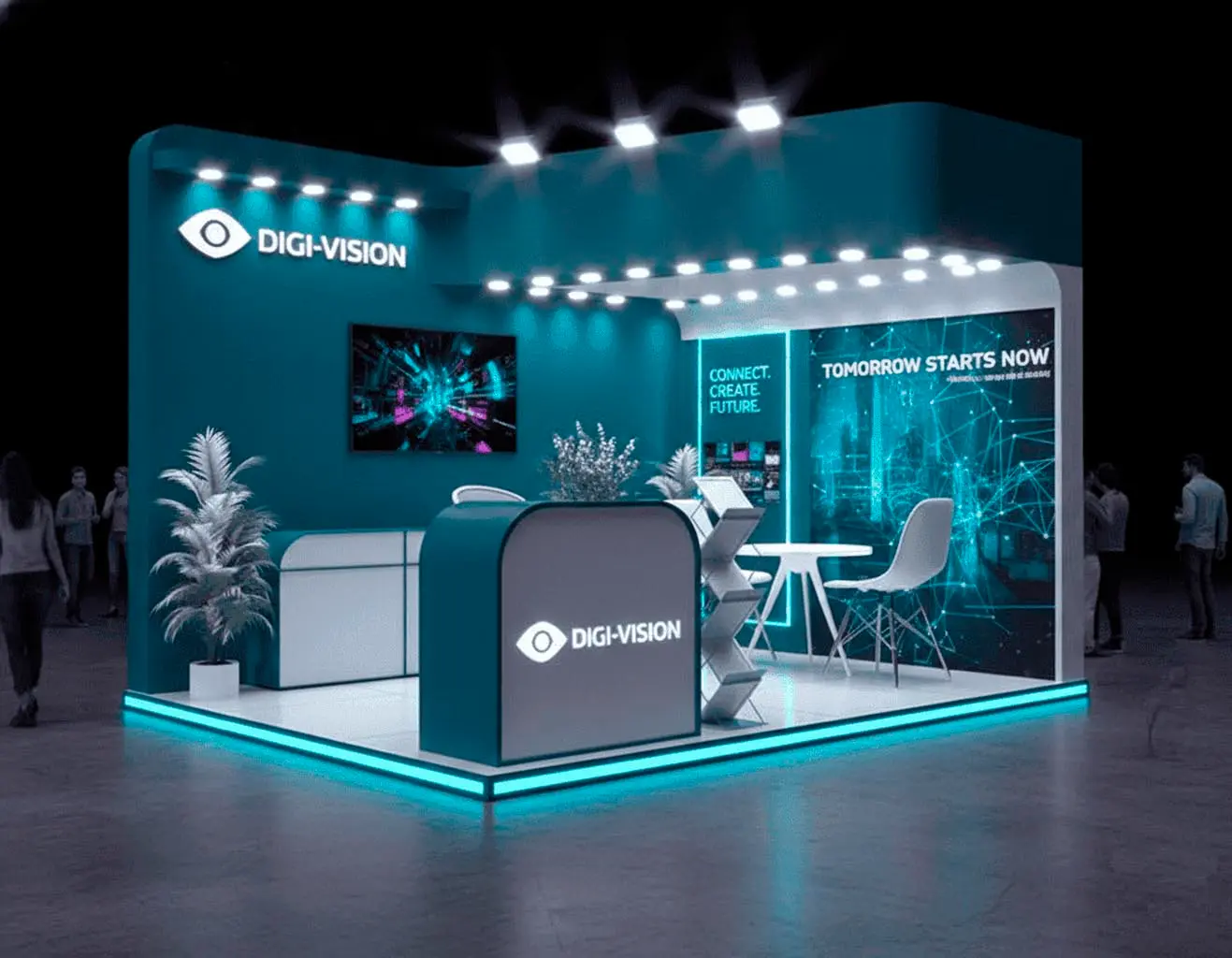
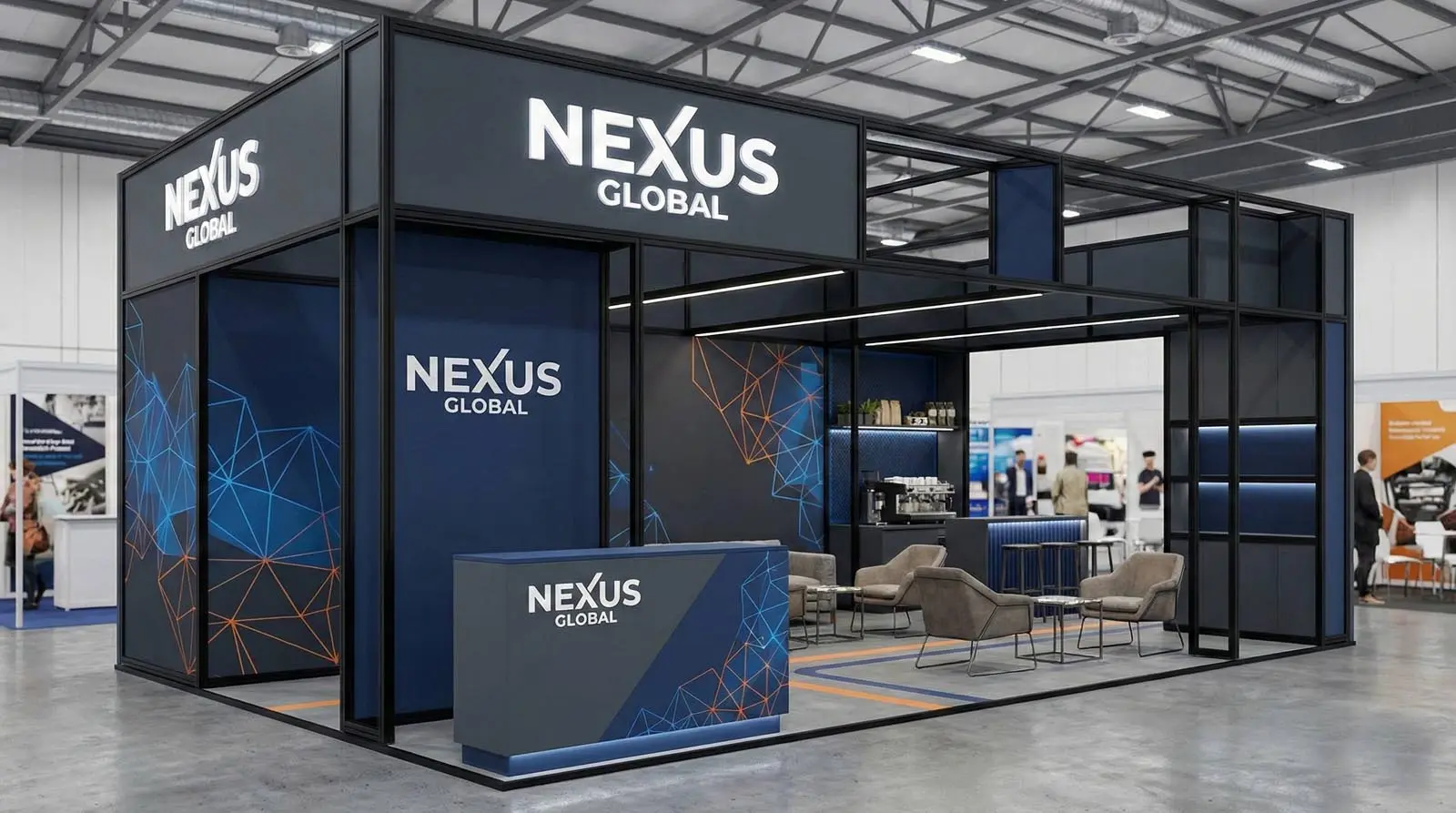
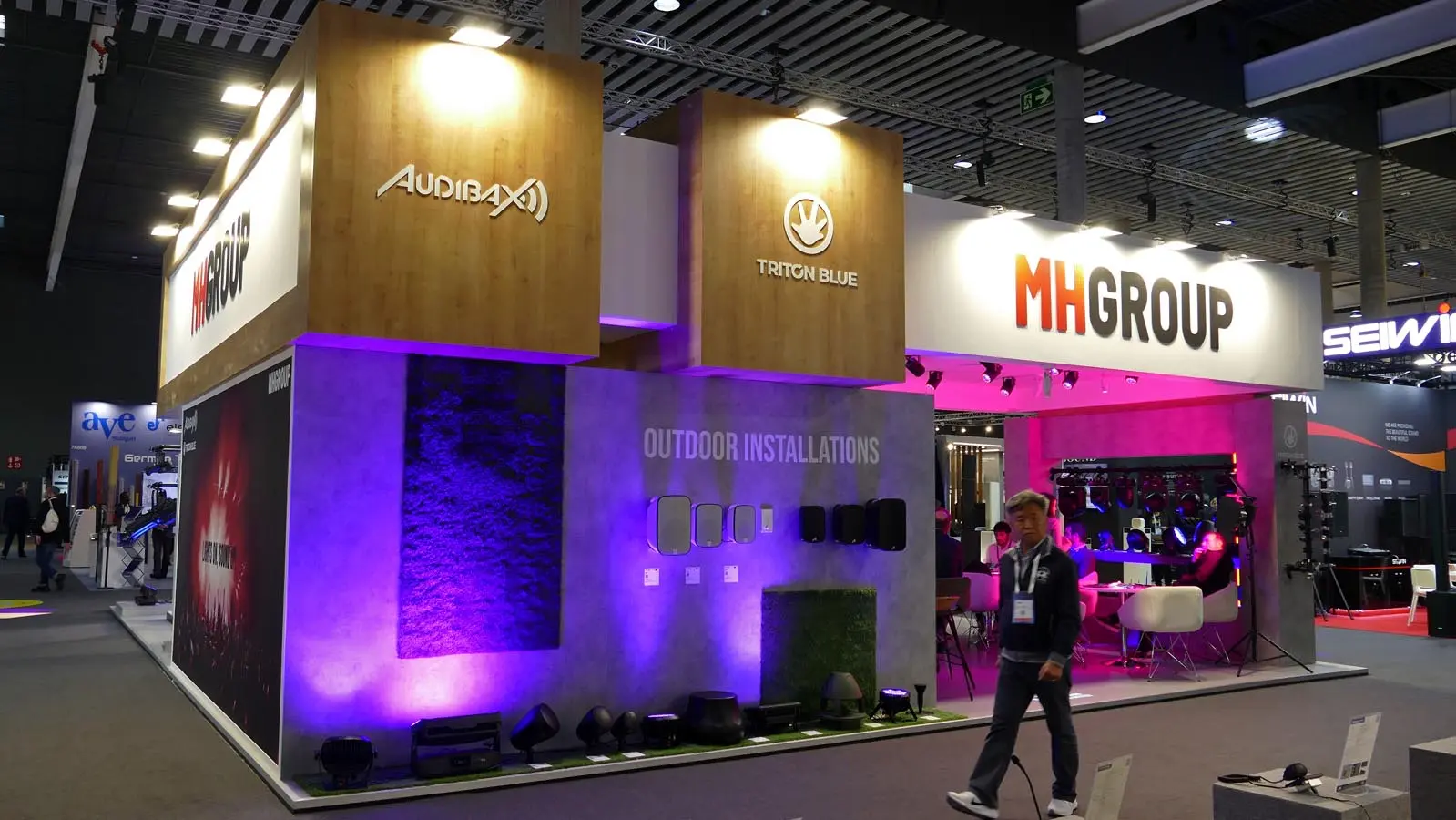
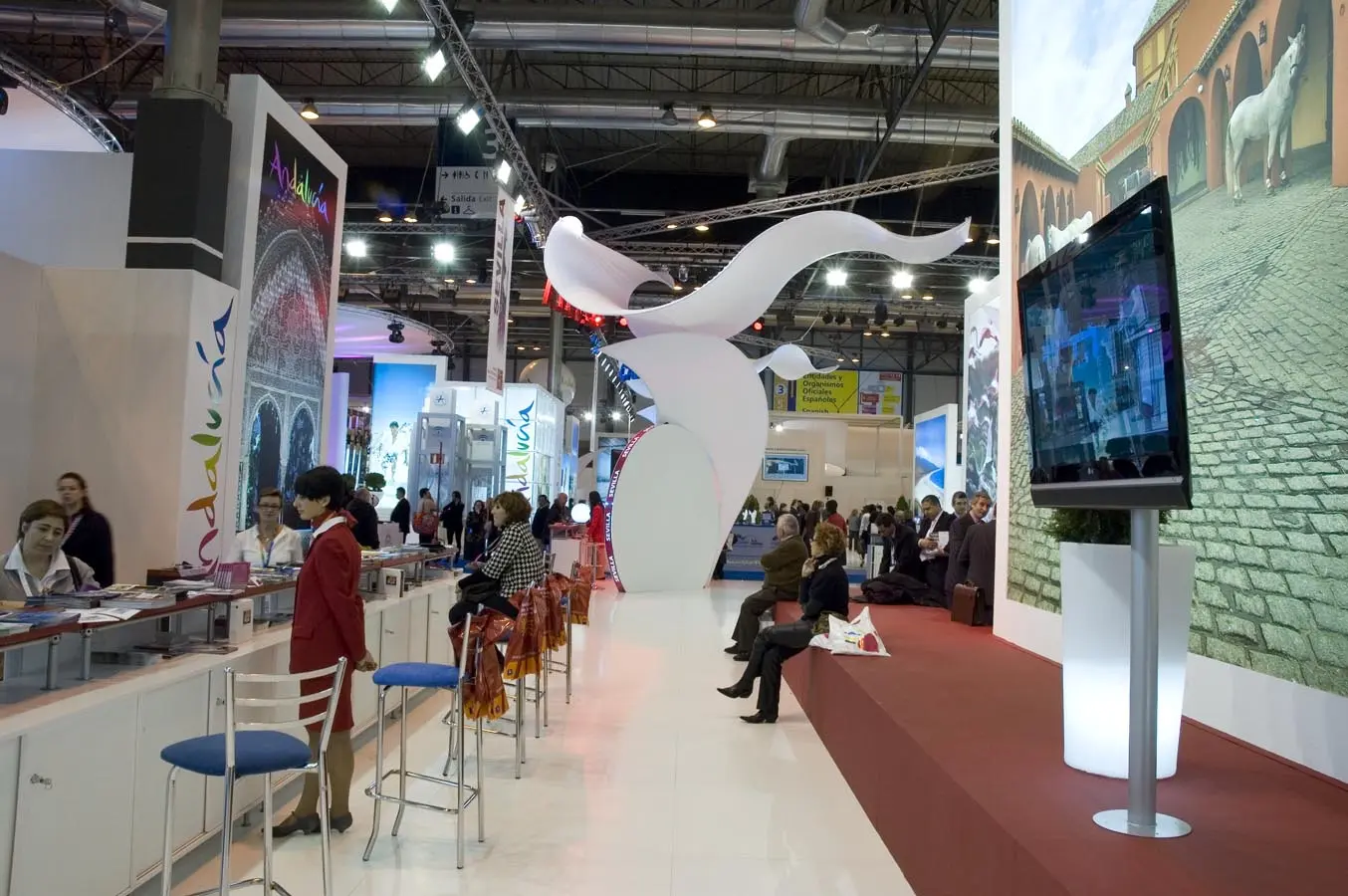
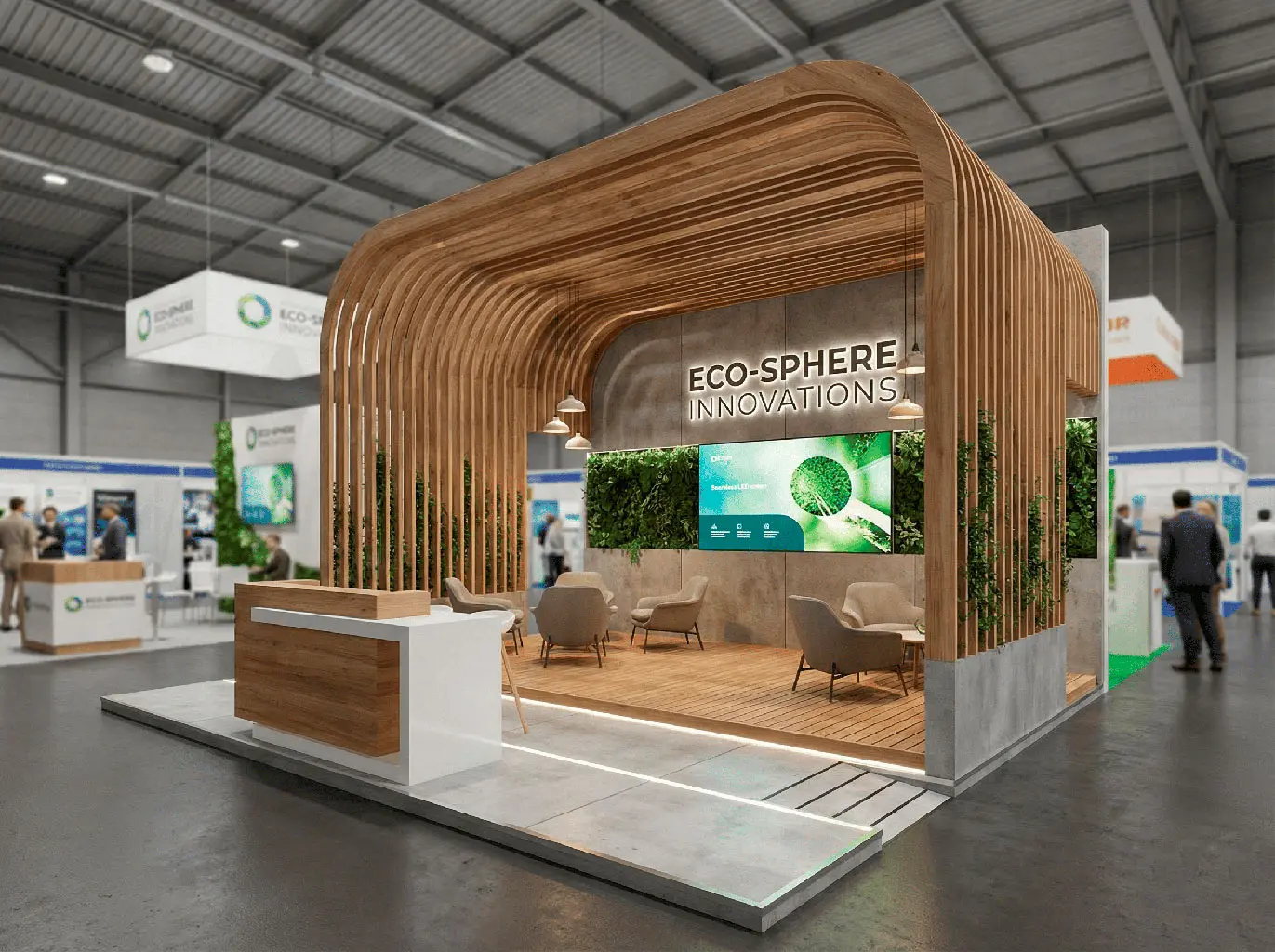
What is a hybrid exhibition stand?
(in practical terms)
A hybrid stand combines:
- a modular backbone (repeatable structure, predictable delivery, faster approvals), and
- custom elements (a signature feature that creates impact, proof, or a functional advantage)
Hybrid is not “half custom.” Hybrid is a disciplined choice about where to spend complexity.
The modular backbone gives you:
- predictable build logic
- fewer production unknowns
- easier adaptation to footprint and open sides
- a calmer approval path
- a reliable foundation you can evolve over time
The custom element gives you:
- a reason to stop (visual anchor)
- a reason to believe (proof moment)
- a reason to act (conversion feature)
- a branded presence that does not feel generic
The point is not to make the stand more complicated. The point is to make the stand more effective without increasing risk.
Why hybrid is often the smartest choice in Barcelona
Barcelona rewards clarity and punishes chaos.
The city hosts trade shows where:
- foot traffic can spike without warning
- competition is global and visually strong
- teams are often international, with approvals spread across time zones
- last-minute changes get expensive fast
In that environment, pure custom can be high reward but higher risk, especially if scope isn’t locked early. Pure modular is reliable but can struggle to feel distinctive if the brand story is not sharp.
Hybrid is the modern middle:
- stable enough to approve and deliver calmly
- distinctive enough to compete in the hall
- practical enough to run all week without improvising
If your team is asking for “something premium” but also asking for “something safe,” they are asking for hybrid.
Start with your objective:
lead-first, demo-first, meeting-first hybrid stands
Hybrid is flexible, but it still needs a primary objective. Otherwise you get the most common hybrid failure: a strong-looking stand that does not convert because the visitor journey is unclear.
Lead-first hybrid stands
Lead-first hybrid is usually the most efficient version of hybrid:
- modular structure keeps scope stable
- one custom signature creates a clear stop moment
- proof is simplified and made visible
- capture becomes frictionless and repeatable
This is ideal when you want consistent volume without the stand feeling generic.
Demo-first hybrid stands
Demo-first hybrid is where hybrid can be a performance weapon:
- modular backbone stabilises delivery and technical planning
- custom demo feature creates visibility and controls crowding
- the stand stays open, instead of turning into a bottleneck
The key: if the demo drives behaviour, the demo must drive layout. It cannot be “added later.”
Meeting-first hybrid stands
Meeting-first hybrid is common in industries where trust and relationship matter:
- modular keeps the build predictable
- custom meeting feature creates calm without closing the stand
- inbound flow is still protected with an outside hook
If meetings are truly heavy and scheduled, consider double deck:
Flow and open sides:
why hybrid wins when designed properly
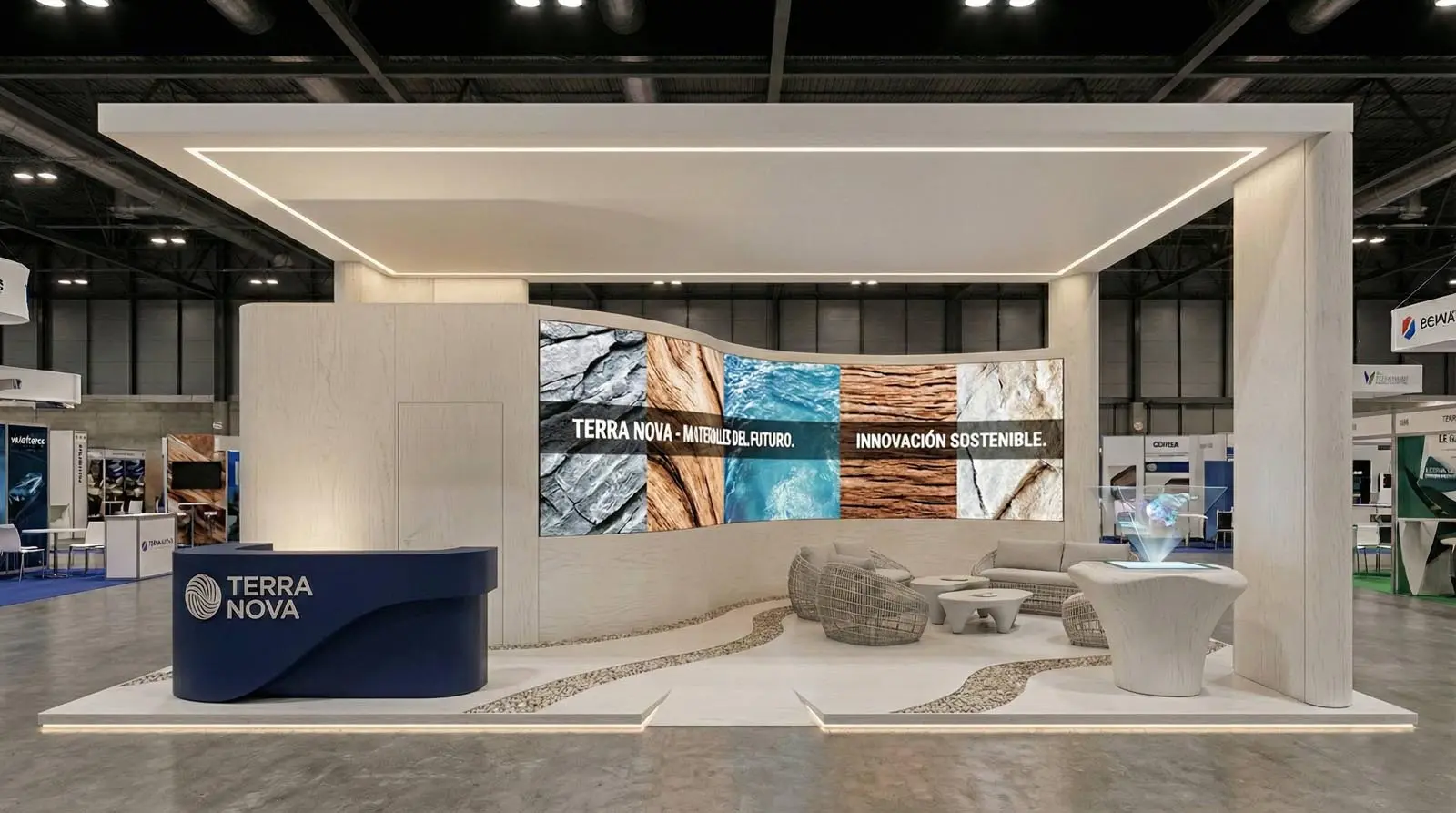
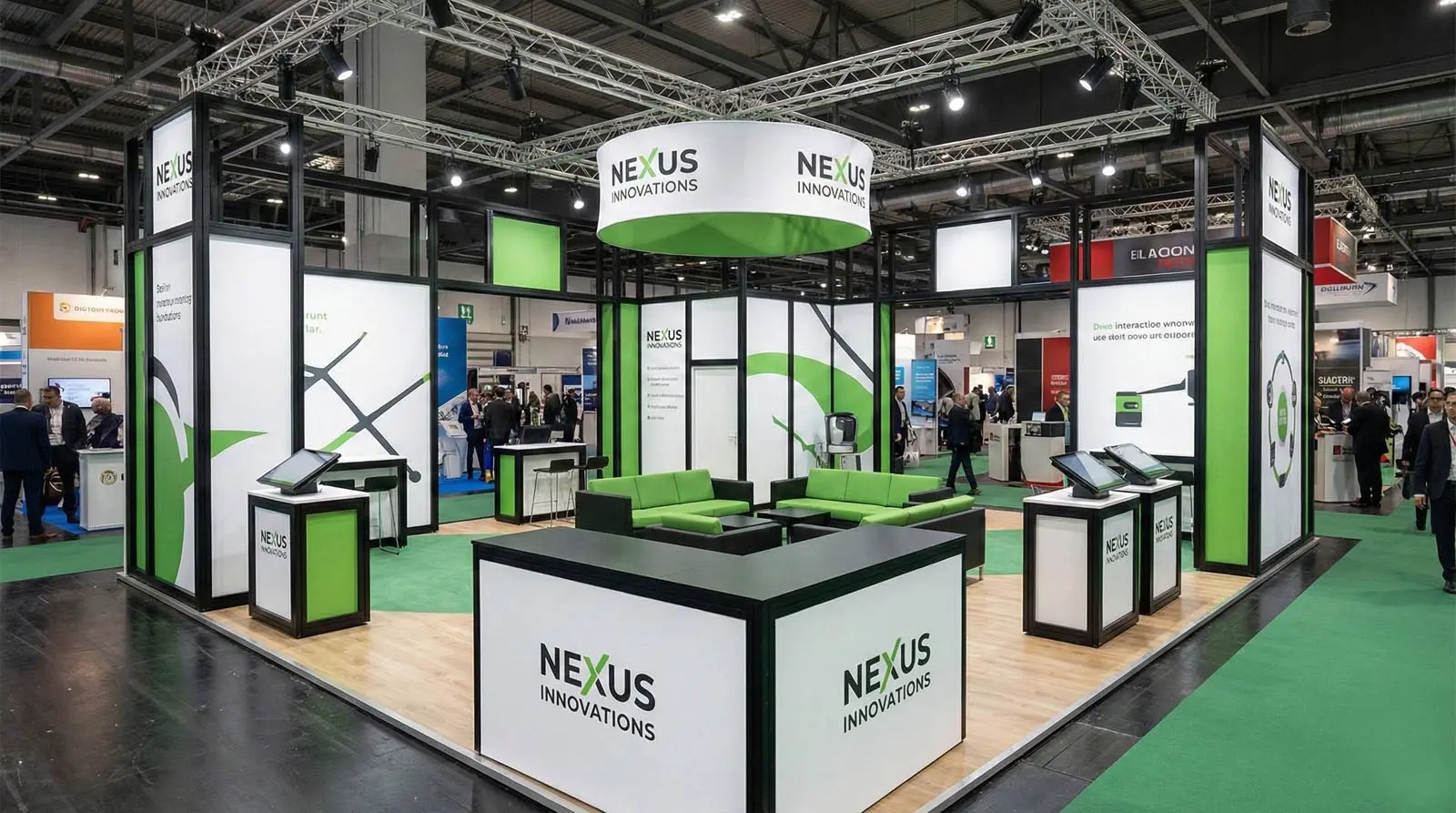
- One open side: a signature portal or feature wall can create a clear invitation while modular structure keeps delivery stable.
- Corner (two open sides): hybrid can create a strong engagement edge and prevent dead corners with one targeted custom element.
- Peninsula (three open sides): hybrid can define lanes, entry points and capture zones so the stand feels organised under traffic.
- Island (four open sides): hybrid can give you a 360° brand presence without requiring full bespoke architecture everywhere.
Hybrid stands often feel “premium” not because they have more, but because they have clearer flow. A stand that people can read and enter naturally will always outperform a stand that looks impressive but feels confusing.
Hybrid vs modular vs custom vs bespoke
(clear comparison)
If you are evaluating stand types, here is the honest logic.
Modular
Choose modular when:
- speed and predictability are the priority
- you exhibit frequently and want repeatability
- you are lead-first or lightweight demo-first
- you want a stand that is easy to scale and reuse
- Page: /modular-exhibition-stands-barcelona/
Custom
Choose custom when:
- differentiation is essential to performance
- you need specific zoning or architecture tailored to your workflow
- you can lock scope early and manage complexity
- Page: /custom-exhibition-stands-barcelona/
Bespoke
Choose bespoke when:
- the stand must signal flagship positioning
- architecture and perception are part of the commercial strategy
- you are ready for a more complex planning path
- Page: /bespoke-exhibition-stands-barcelona/
Hybrid
Choose hybrid when:
- you want modular reliability but need a standout moment
- you want controlled scope with higher perceived value
- you need approval speed without sacrificing presence
- you want an impact element that actually supports conversion
- This page: /hybrid-exhibition-stands-barcelona/
Hybrid is not the compromise option. For many exhibitors, it is the most rational option.
The new-school hybrid rule: custom only where it changes behaviour
The fastest way to waste budget is to add custom elements that don’t do a job.
A strong hybrid stand usually has one primary custom “signature” that earns its place by changing behaviour. Examples of custom elements that can earn their keep:
- an architectural portal that creates an obvious entry and stop point
- a feature wall that communicates the offer at walking speed
- a demo stage designed for visibility and crowd control
- a meeting pod concept that is calm and usable without closing the stand
- a branded canopy or overhead element that improves visibility from distance
- a product display system designed around touch, demo, or comparison
Custom elements that often do not earn their keep:
- complex shapes with no commercial role
- excessive walls that reduce openness and flow
- “design for design’s sake” features that slow approvals and increase risk
Hybrid is about being selective. The stand should feel intentional, not busy.
Hybrid by size:
make the footprint work harder
Hybrid is not only for big stands. In fact, hybrid can be most efficient at mid-size footprints where one strong anchor changes the whole stand.
Explore layouts and footprint logic:
Common footprints include:
3×3, 3×4, 3×5, 3×6, 3×7, 3×8, 3×9, 3×10, 5×5, 8×5, 10×5, 10×10, 15×10, 20×10.
Why size matters:
- smaller footprints benefit from one clear anchor that prevents clutter and forces message clarity
- medium footprints benefit from one custom signature that defines zones without building walls everywhere
- larger footprints benefit from a modular system that stabilises delivery while custom elements create “moments” across the space
The goal is not to fill space. The goal is to create a stand your team can operate consistently.
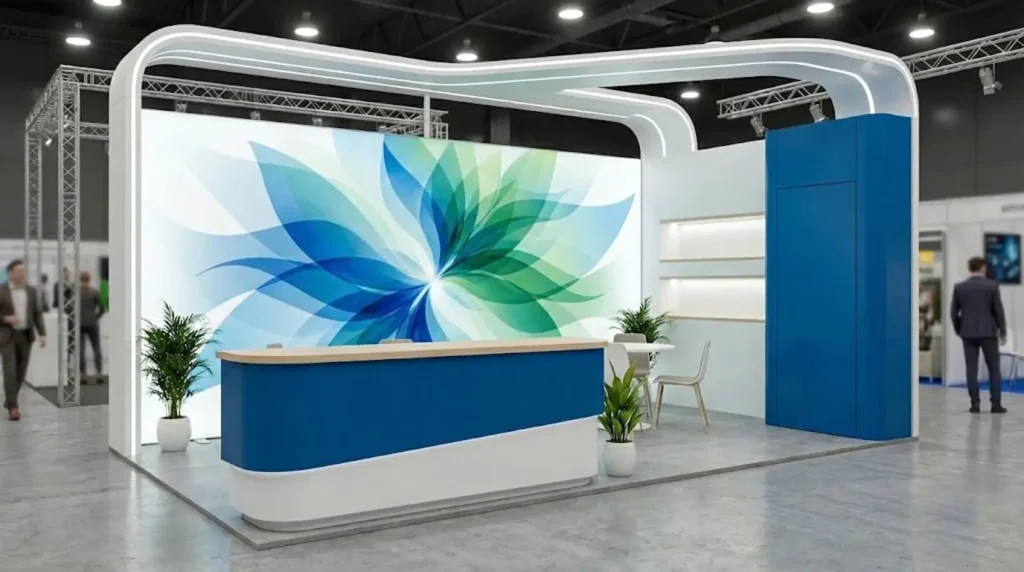
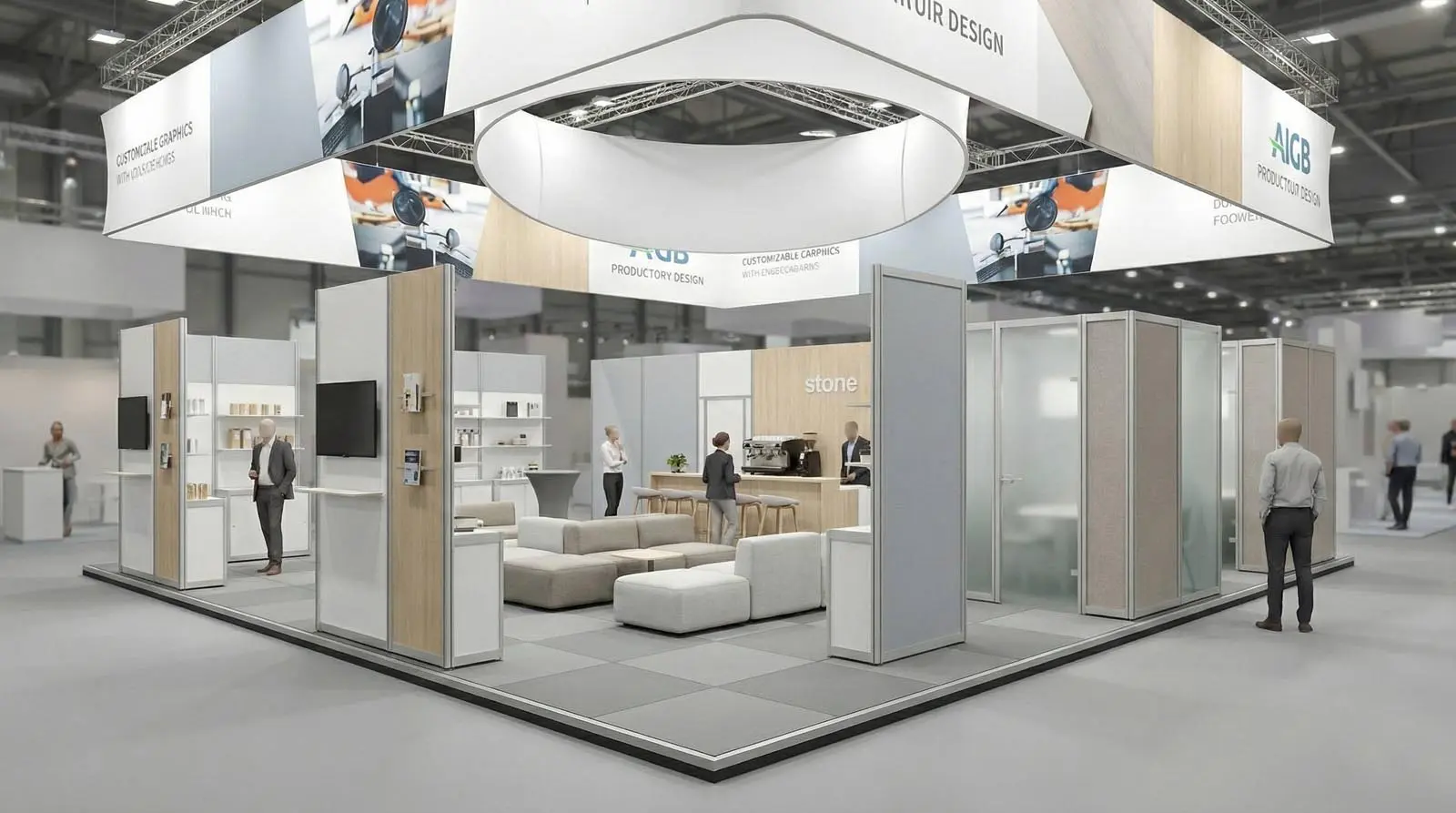
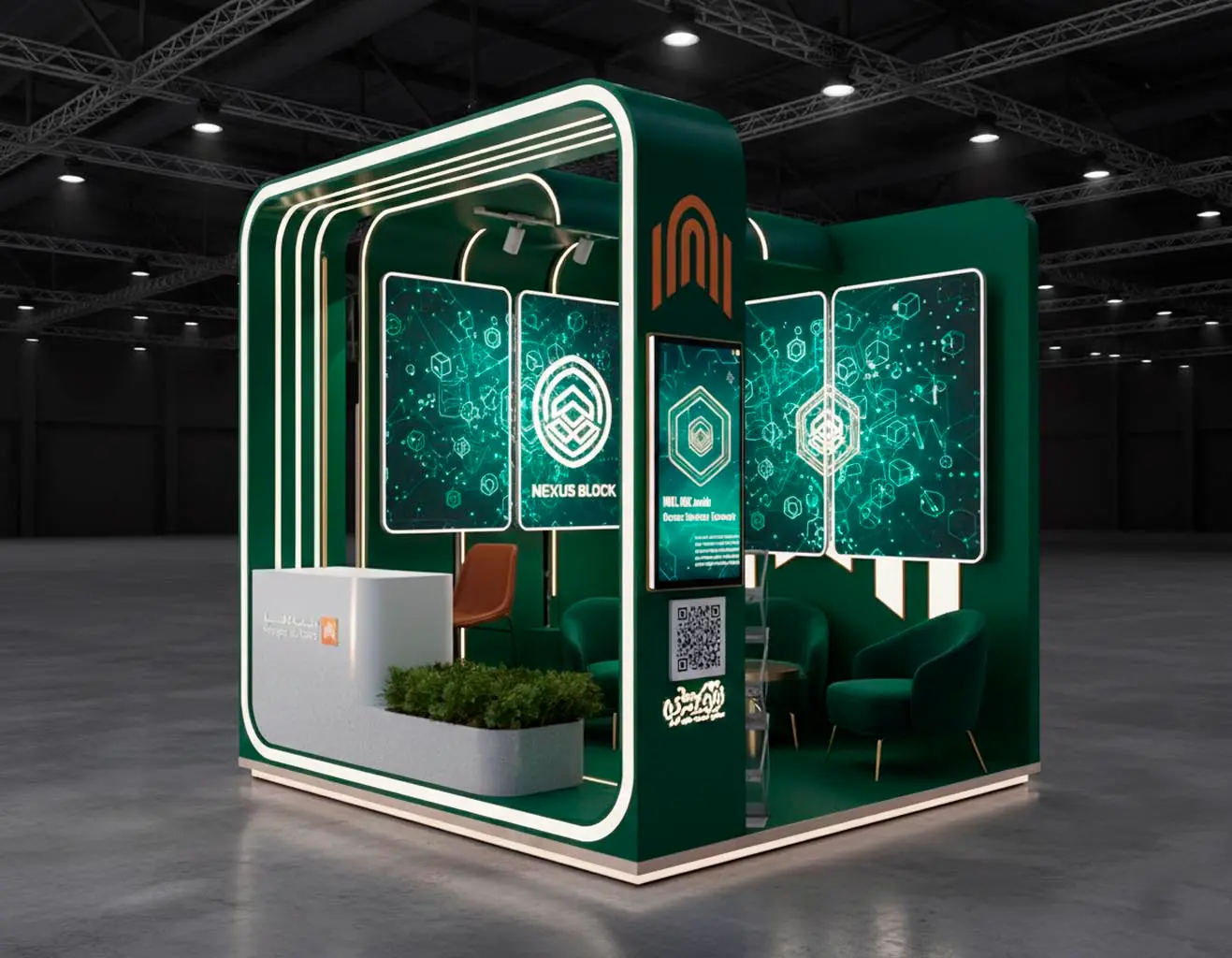
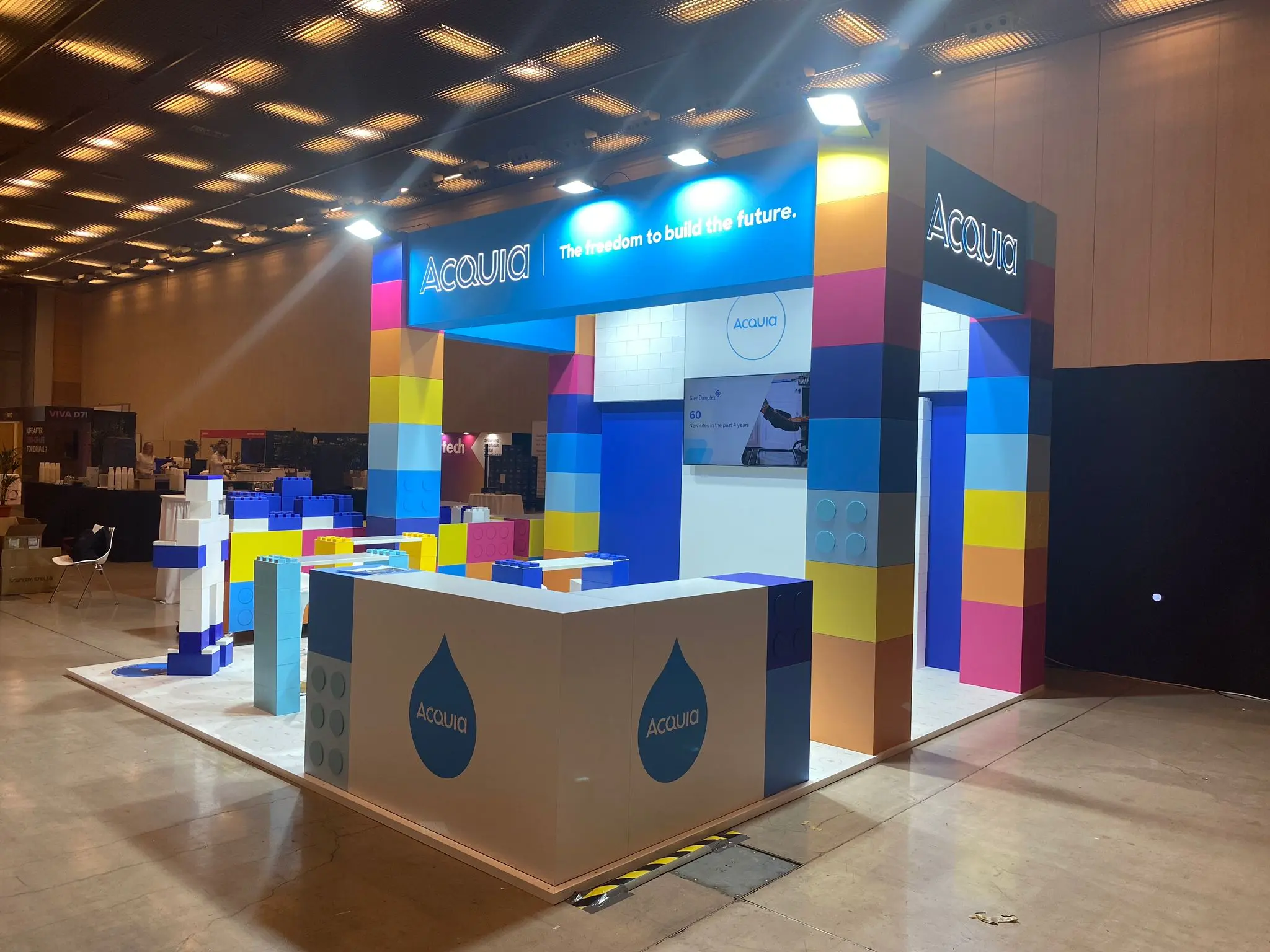
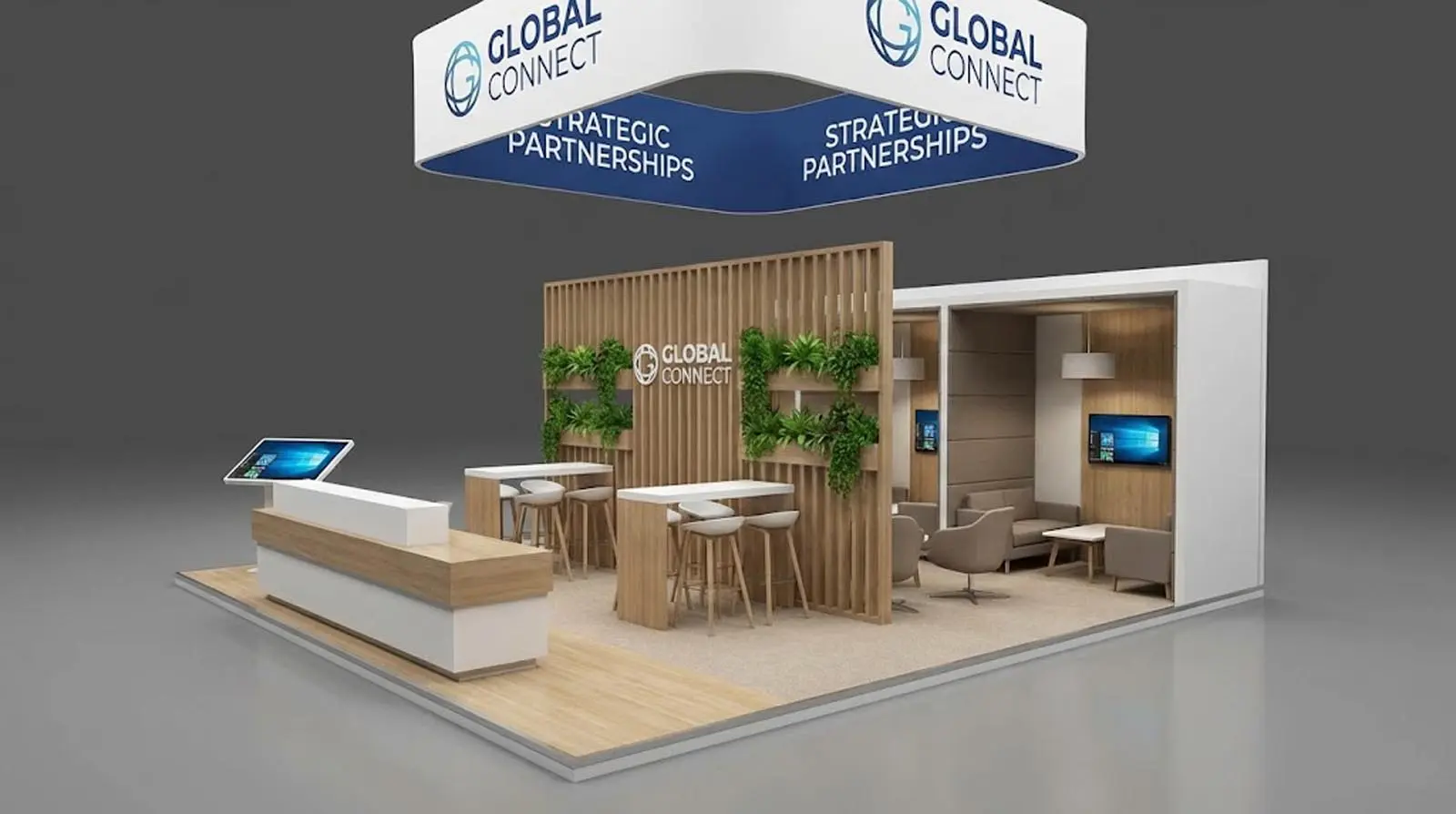
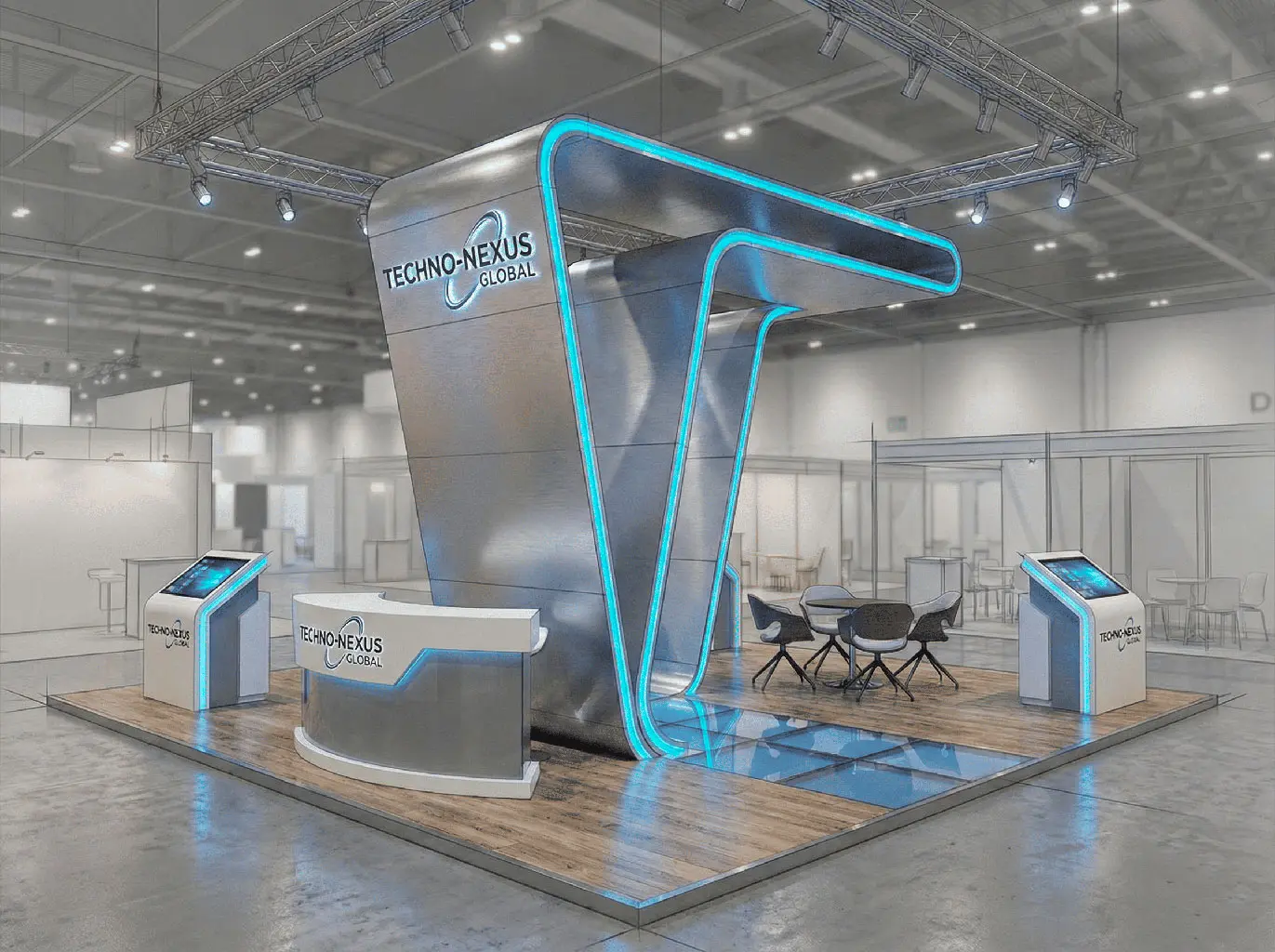
Venue-aware hybrid stands in Barcelona
(Gran Via, Montjuïc, CCIB)
Hybrid works well in Barcelona because venue realities demand both clarity and control.
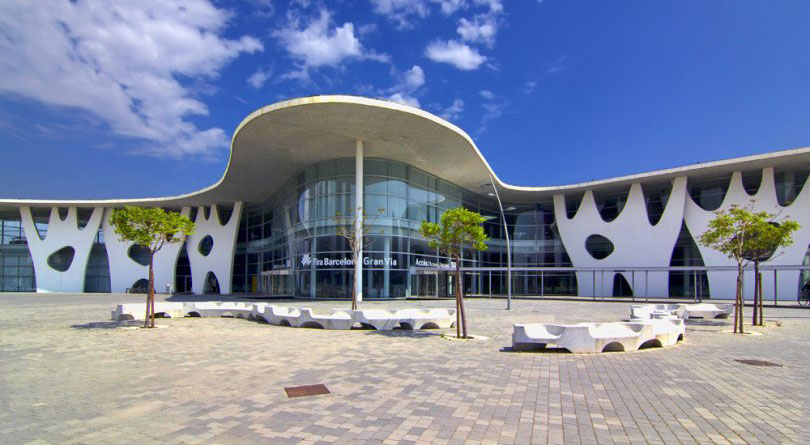
Fira Barcelona Gran Via
Gran Via is high intensity and visually competitive. Hybrid performs here because:
- modular structure provides predictable execution
- custom visibility elements help you compete on sightlines
- demo or proof features can be built to manage crowds without chaos
- Page: /venues-barcelona-fira-barcelona-gran-via/
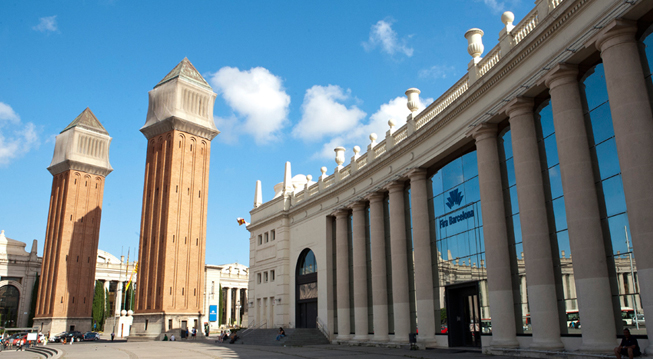
Fira Barcelona Montjuïc
Montjuïc often rewards disciplined simplicity and buildability. Hybrid performs when:
- you keep the modular backbone clean
- you use one custom element as a focused anchor
- you avoid overbuilding that adds risk without adding conversion
- Page: /venues-barcelona-fira-barcelona-montjuic/
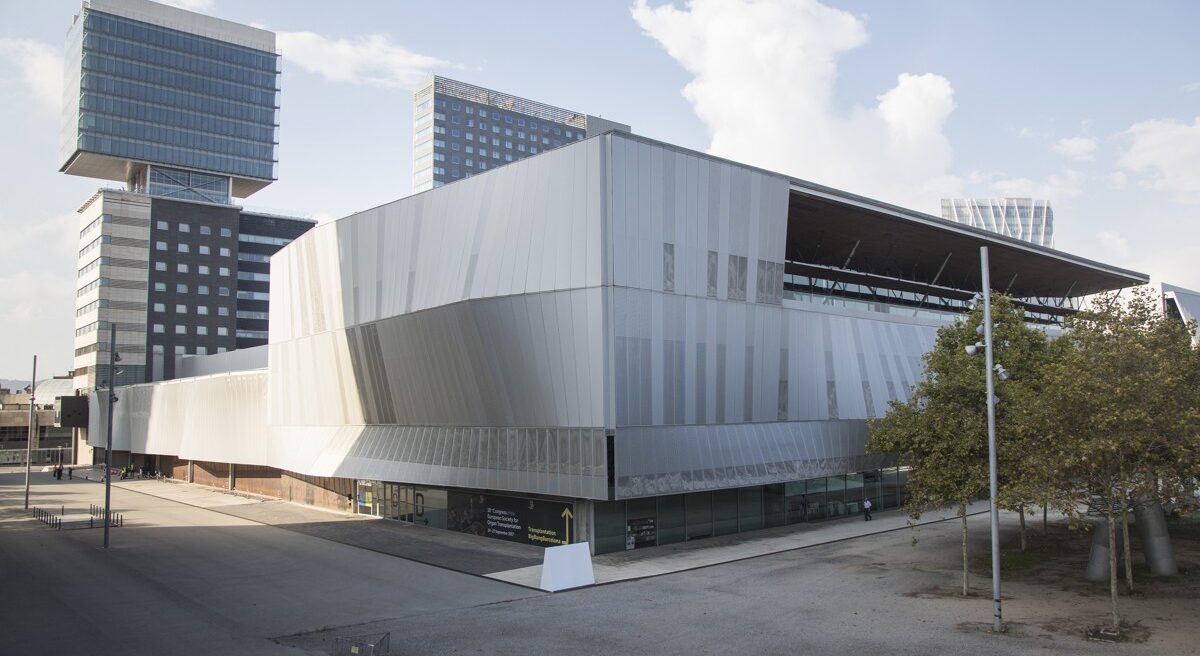
CCIB
CCIB can be meeting-led depending on the event. Hybrid performs when:
- the custom element supports calm conversation and trust
- the stand remains inviting and open
- the visitor journey is still obvious from the aisle
- Page: /venues-barcelona-ccib/
Venues hub: /venues-barcelona/
Hybrid and cost control:
why this approach often protects ROI
Hybrid is popular because it reduces the two biggest risks in stand projects:
- scope drift
- late changes
Modular reduces unknowns. Custom elements are limited and planned. That creates a project with fewer moving parts and more predictable execution.
The cost control mindset for hybrid is simple:
- lock the primary objective early
- define must-haves vs optional upgrades
- plan technical needs early (especially for demos)
- keep the custom element purposeful and limited
- document inclusions and exclusions clearly
If you want the cost logic explained in plain language:
If you want a fast directional estimate before requesting quotes:
Cost Guide
If you want a cost explanation written plainly
Directional estimate
If you want a fast directional range before requesting quotes
Hybrid can also support sustainability
(without greenwashing)
Hybrid can be a practical sustainability path because:
- modular elements are designed for reuse
- custom elements can be designed as reusable signature pieces
- reduced last-minute changes reduce reprints and remakes
Sustainability page:
- /sustainable-exhibition-stands-barcelona/
Sustainability is not one material choice. It is a planning discipline.
Hybrid often helps because it creates structure and reduces wasteful chaos.
What we need to propose the right hybrid direction
If you want a hybrid proposal that is realistic, send the essentials. You do not need a long document.
What we need
- event name + dates
- venue (Gran Via / Montjuïc / CCIB)
- stand size (m²) and footprint if known (e.g., 10×5)
- open sides (1 / 2 / 3 / 4)
- primary objective (leads / demos / meetings)
- must-haves (AV, storage, meeting space, product display)
- deadline for design approval
You can also use the brief template:
Phone: +34 609 70 92 56
FAQs:
Frequently Asked Questions
A modular backbone for predictable delivery combined with targeted custom elements that create impact or functional advantage.
Barcelona shows reward clarity and punish chaos. Hybrid provides stability for approvals and delivery while still giving you distinctive presence in competitive halls.
Choose modular when speed and repeatability are the main priority. Choose hybrid when you want that stability plus one custom signature element that improves impact and conversion.
Custom can expand complexity across the whole stand. Hybrid limits custom to where it changes behaviour, keeping the project easier to control.
Elements that create a clear stop moment, make proof visible, support demos without congestion, or create usable meeting space without closing the stand.
Yes. Hybrid is often ideal for demos because modular keeps delivery predictable while the custom demo feature is designed for visibility and crowd control.
Yes, if the meeting zone is usable and the stand remains inviting. If meeting volume is very high, double deck may be worth evaluating.
Yes. Gran Via needs fast visibility and flow discipline. Montjuïc rewards buildable simplicity. CCIB can be meeting-led. Hybrid adapts well when planned with venue realities.
Event, venue, size/footprint, open sides, objective, must-haves, and deadline. The clearer the scope, the more reliable the quote.
Yes. Modular reuse plus custom elements designed for reuse can reduce waste, especially when scope changes are controlled.
We lock objective and scope early, separate optional upgrades, and plan technical needs before production decisions.
Adding multiple custom features that don’t do a job. Hybrid works when custom is selective and purposeful.
Yes. Premium is driven by clarity, lighting, composition and operable flow. Hybrid often achieves premium perception with less risk than full bespoke.
Yes. We can propose a range and refine once the organiser confirms footprint and open sides.
Send your brief through /contact/ with venue, size, open sides and objective, or call +34 609 70 92 56.