Exhibition stand design in Barcelona that feels:
✓ Obvious to visitors
✓ Easy for your team to run
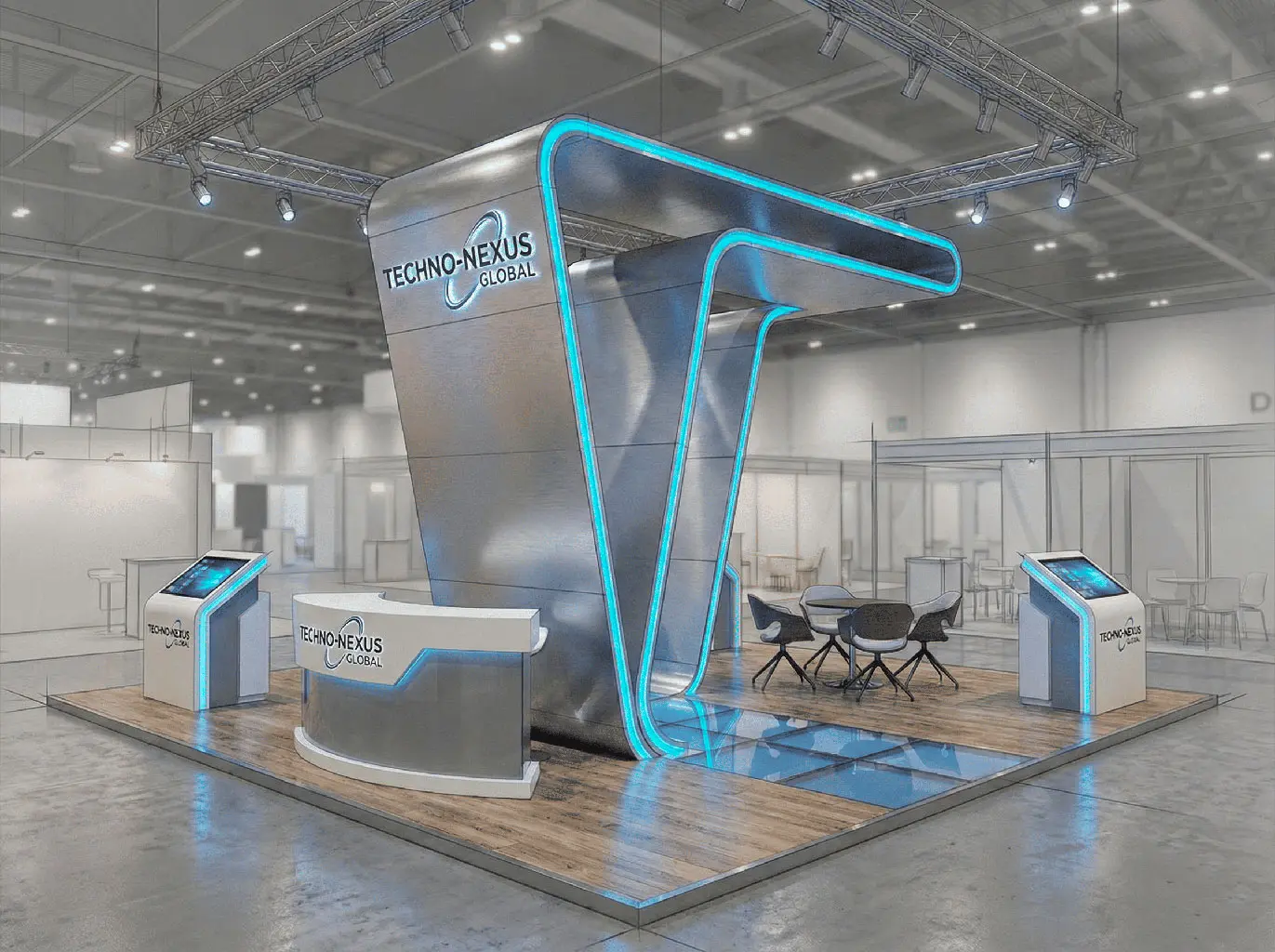
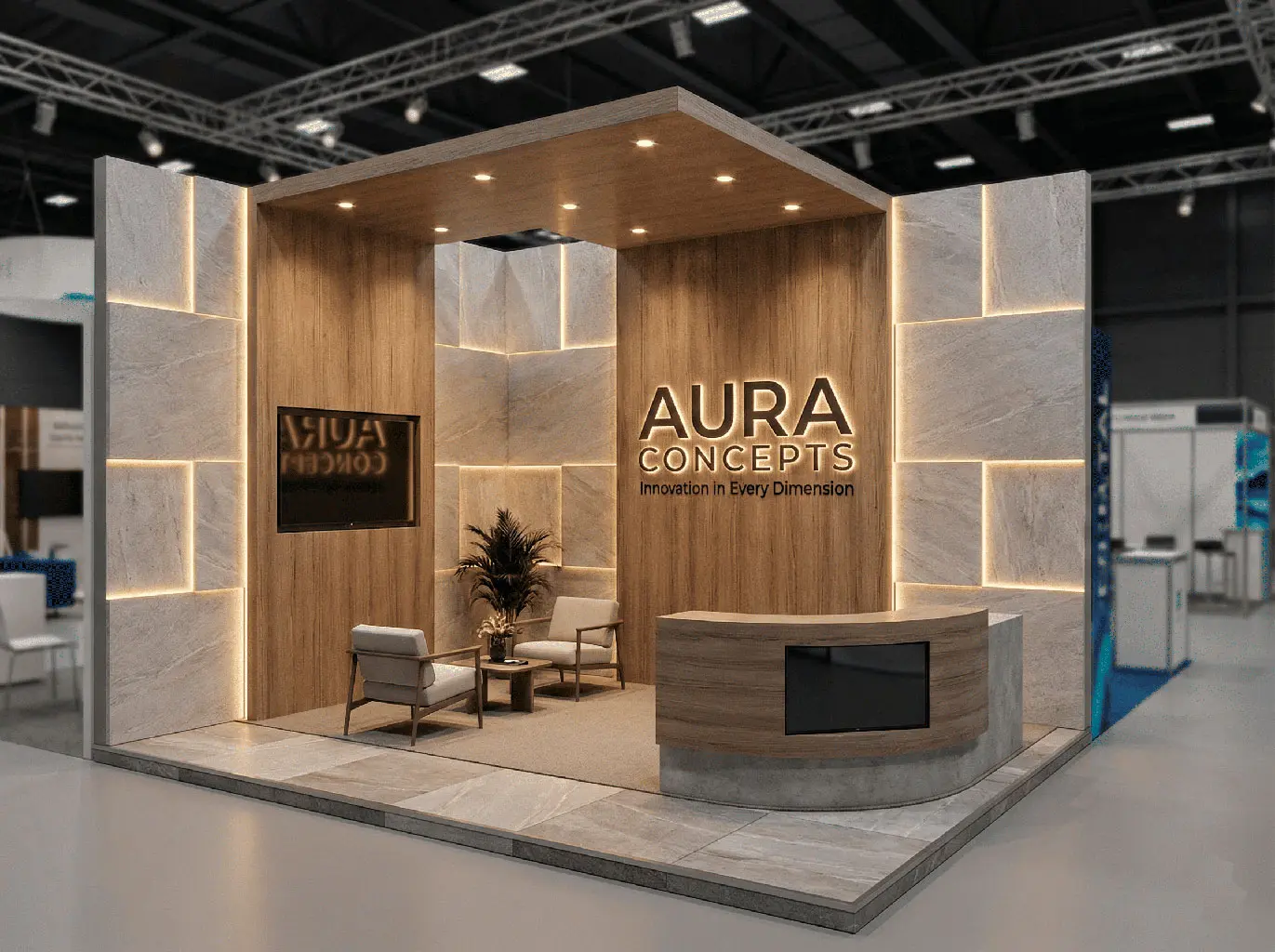
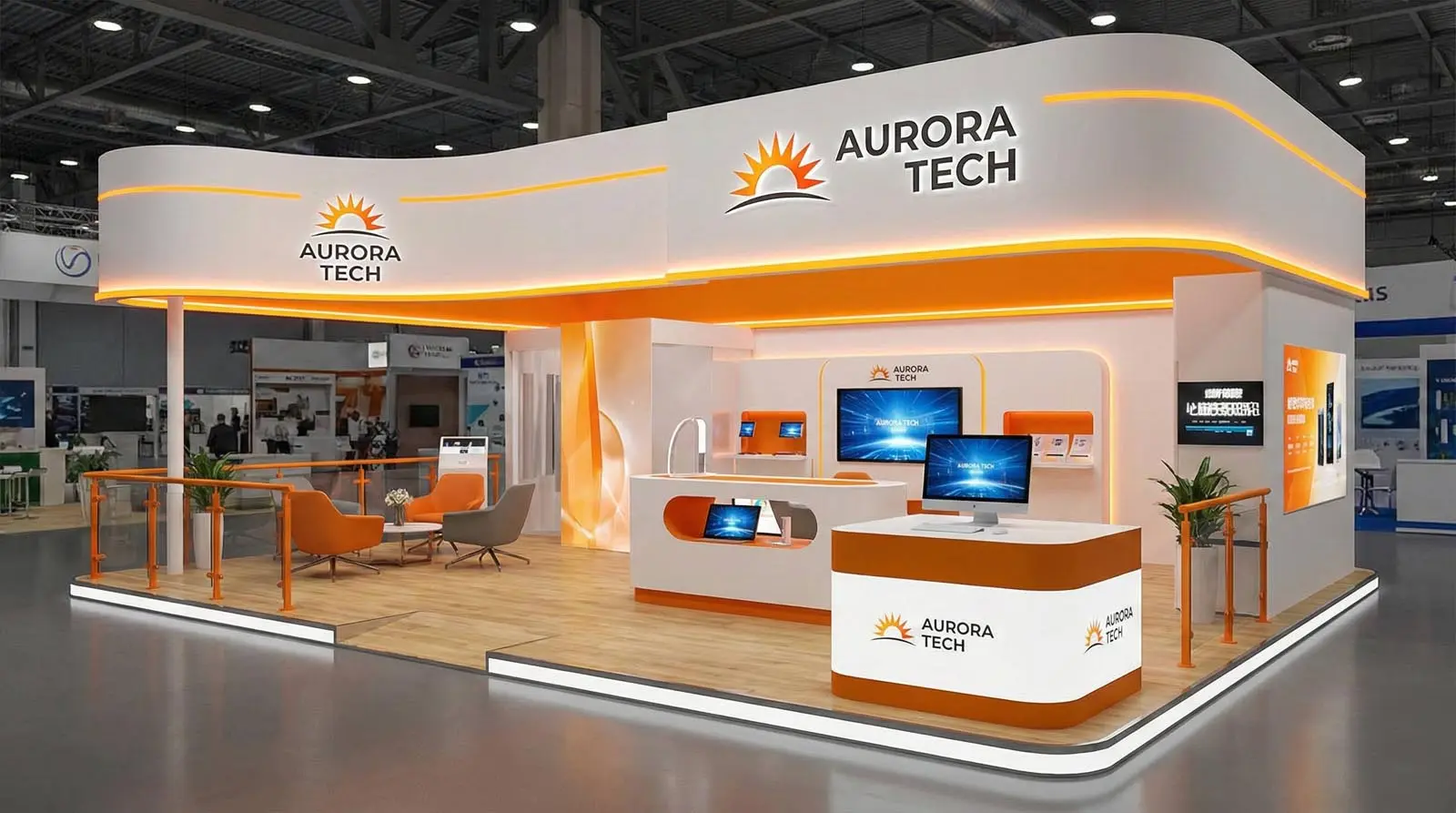
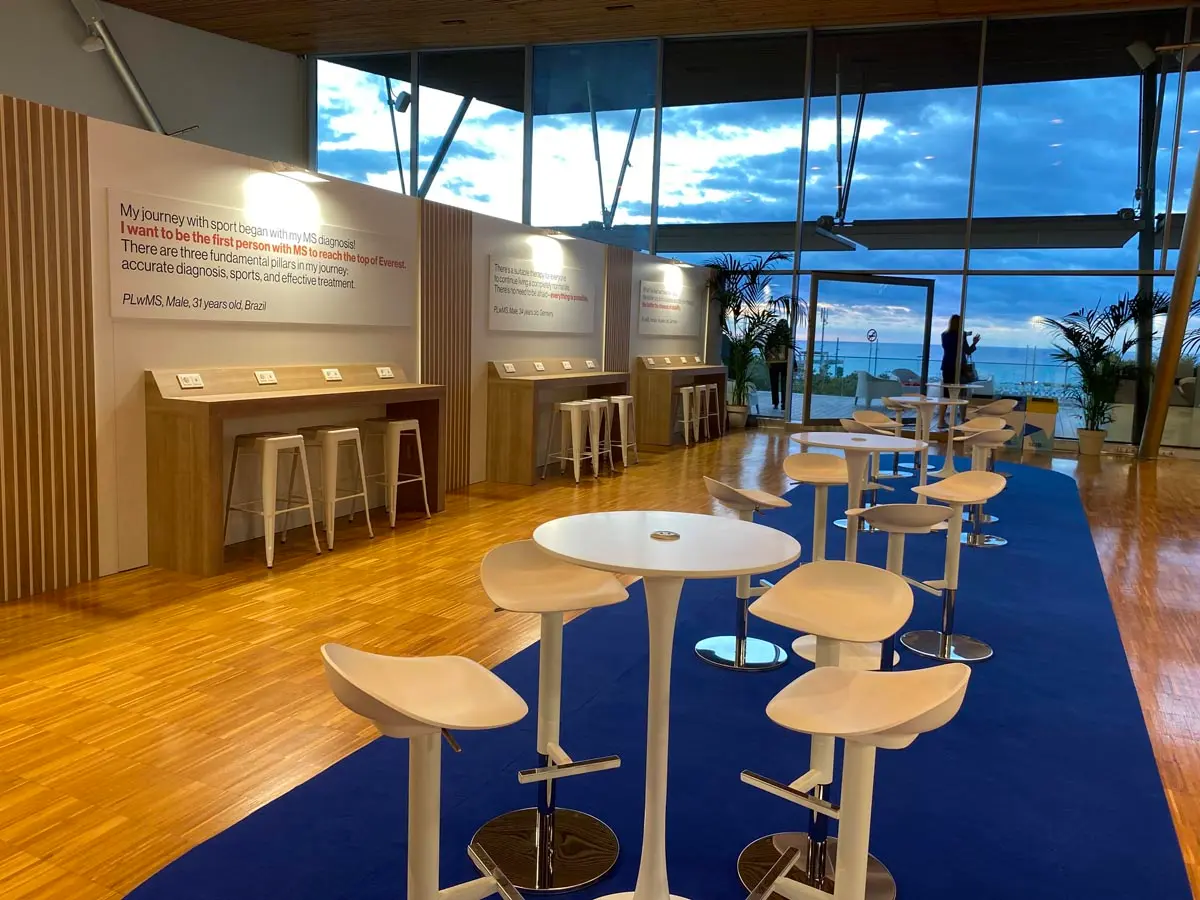
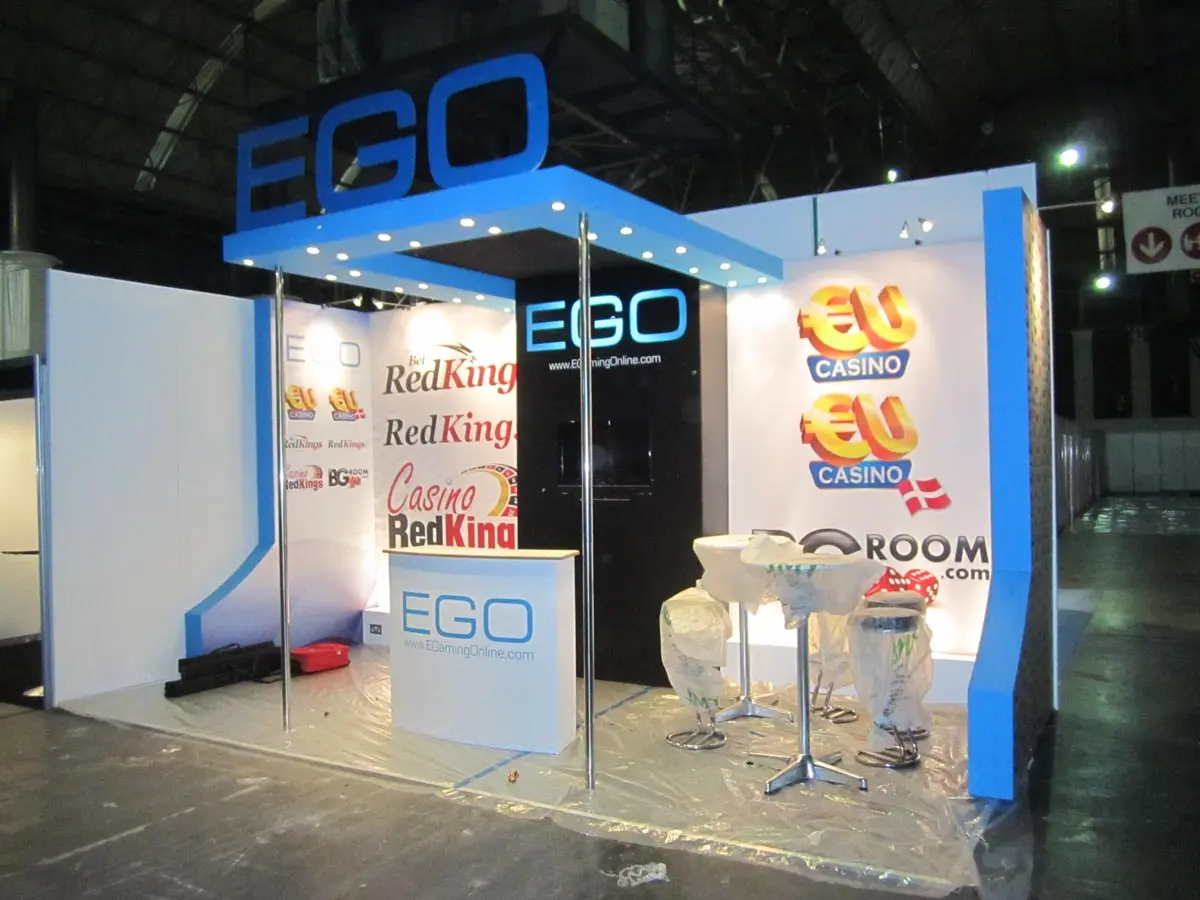

You can feel the difference between a stand that was designed to look good and a stand that was designed to work.
In Barcelona, that difference shows up fast: in the first hour of traffic, in the first demo that gathers a crowd, in the first meeting that needs privacy, and especially on day two when the stand either stays clean and calm or starts to drift into chaos.
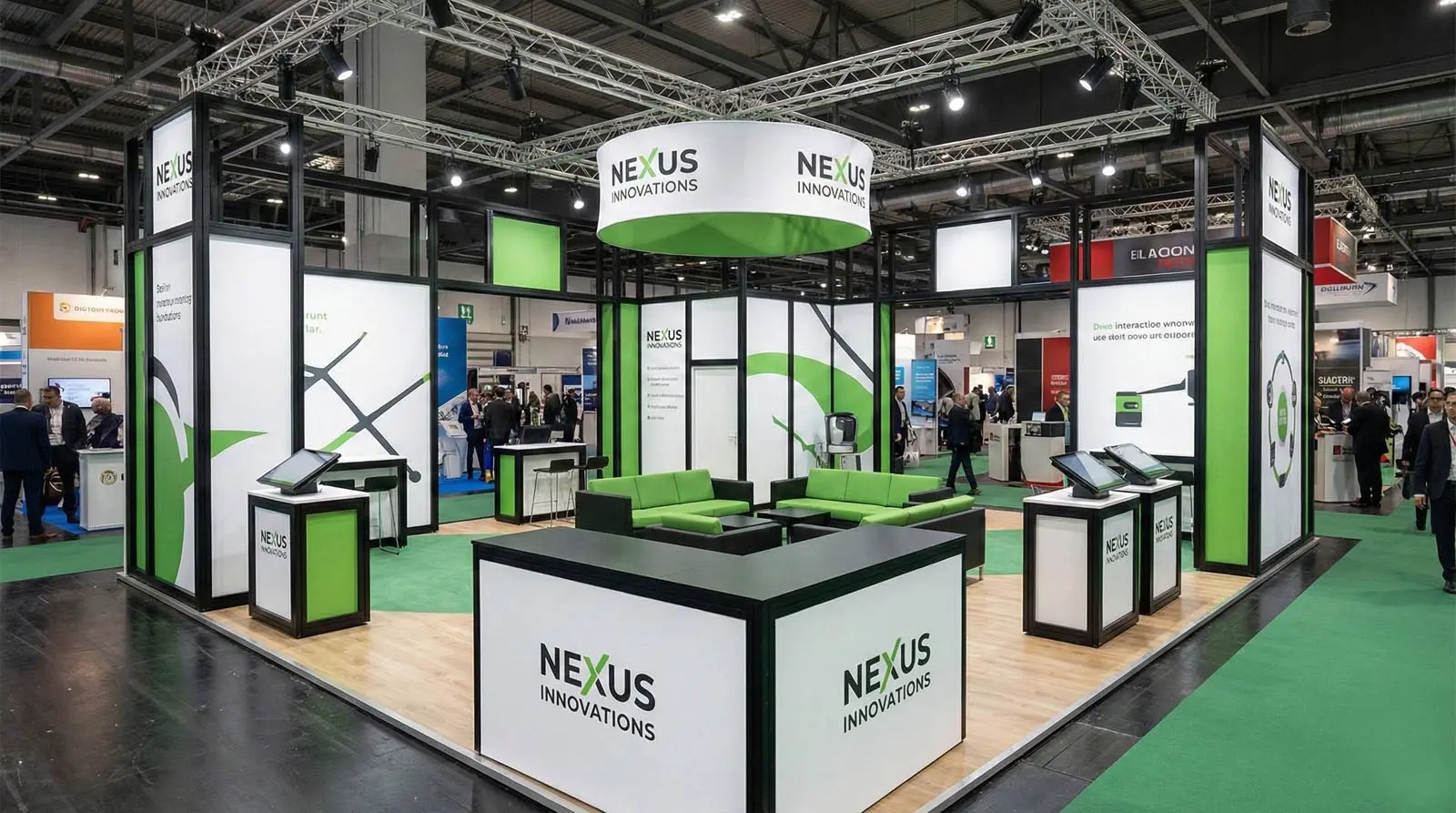
Stands.Barcelona is here for the real version of exhibiting. We focus on exhibition stand design in Barcelona as a performance system: clarity at walking speed, flow that prevents congestion, proof that reduces skepticism, and a next step that converts conversations into leads and meetings.
If you want a stand that simply “exists,” design is optional. If you want a stand that behaves like a commercial machine under show pressure, design is the plan.
What “exhibition stand design” actually means on a Barcelona show floor
Design isn’t decoration. It is decision-making made visible.
On a trade show floor, visitors don’t give you time. They give you a glance, a half-step, maybe a pause. Your stand design either earns a stop or it doesn’t. And if you earn the stop, the space either supports a good conversation or it forces your team to improvise.
A stand design that converts usually gets five things right:
1. Message hierarchy that reads fast
People scan, they don’t study. One clear offer beats five clever headlines.
2. A visible reason to believe
This can be a demo, a product moment, a case, a metric, a certification, a comparison. The stand should show proof, not just claim it.
3. Flow that respects open sides
Corner, peninsula and island stands can become chaotic if entry/exit is not designed. Congestion is silent conversion loss.
4. A next step that feels natural
Lead capture should feel like a continuation of the conversation, not a forced form. If capture is awkward, your team will skip it when it gets busy.
5. Operational calm
Storage, staff routes, reset points, and surfaces that don’t collect clutter. These details protect your premium perception for the full event, not just the first morning.
Barcelona is competitive. Your design needs to do the heavy lifting early so your team can focus on qualifying and closing, not explaining the basics all day.
Start with your objective:
lead-first, demo-first, meeting-first
A stand can support multiple actions, but it needs a primary objective.
If you don’t choose one, the layout will choose one for you, usually the worst one:
random stopping, inconsistent conversations, and missed captures.
We design around three primary objectives:
Lead-first exhibition stand design
Lead-first stands are designed for volume and qualification. The layout prioritises:
- an engagement edge that invites conversation
- a short proof moment (quick to understand)
- a frictionless capture step placed where the conversation naturally ends
- space for the team to work without blocking flow
Lead-first does not mean aggressive. It means efficient. Visitors should feel guided, not pressured.
Demo-first exhibition stand design
Demo-first stands are about visible, repeatable proof.
- the demo must be seen from the aisle
- the crowd must be managed without blocking the entrance
- technical planning matters early (power, AV, sound, lighting)
- the capture step should happen at the moment belief appears, not later
A demo stand that creates congestion will lose goodwill fast in Barcelona. The design must protect the aisle and the team.
Meeting-first exhibition stand design
Meeting-first stands are built for scheduled or high-value conversations.
- meeting space must be usable (not decorative)
- privacy should be a choice, not a wall that kills inbound traffic
- the stand still needs a hook that makes people approach
- qualification must happen before meetings, or the calendar becomes noise
Meeting-first is not “closed.” It’s calm, intentional, and still inviting.
Open sides, flow, and why most stands lose leads without noticing
Open sides sound like a technical detail. In practice, they dictate how the stand behaves.
- One open side: your front edge must invite stopping without blocking the entry.
- Two open sides (corner): you can create a strong engagement edge, but you must control sightlines and avoid “dead corners.”
- Three open sides (peninsula): powerful visibility, higher chaos risk. You need clear lanes and a defined capture zone.
- Four open sides (island): 360° visibility, but also 360° responsibility. Your message and zoning must make sense from every angle.
Many stands fail because a counter is placed where people need to enter, or because the meeting area sits on the edge and becomes a barrier. Good design protects entry, creates a natural pause point, then gives visitors a reason to go one step deeper.
Stand designs by size:
choose a footprint that matches your real workflow
If you’re comparing Barcelona exhibition stand designs, don’t start with aesthetics. Start with physics: how many conversations can you run at once, and what does your team need to do on the stand?
Browse designs by size here: /stand-designs/
Available footprints include:
3×3, 3×4, 3×5, 3×6, 3×7, 3×8, 3×9, 3×10, 5×5, 8×5, 10×5, 10×10, 15×10, 20×10.
Each size page is written like a decision guide:
- what the size is best for (leads, demos, meetings)
- what usually goes wrong at that footprint
- how open sides change the layout
- what to prioritise so the stand stays operable for four days
Small stands can convert extremely well when they are disciplined. Large stands can underperform when they are overcomplicated. The size is not the strategy. The design is.
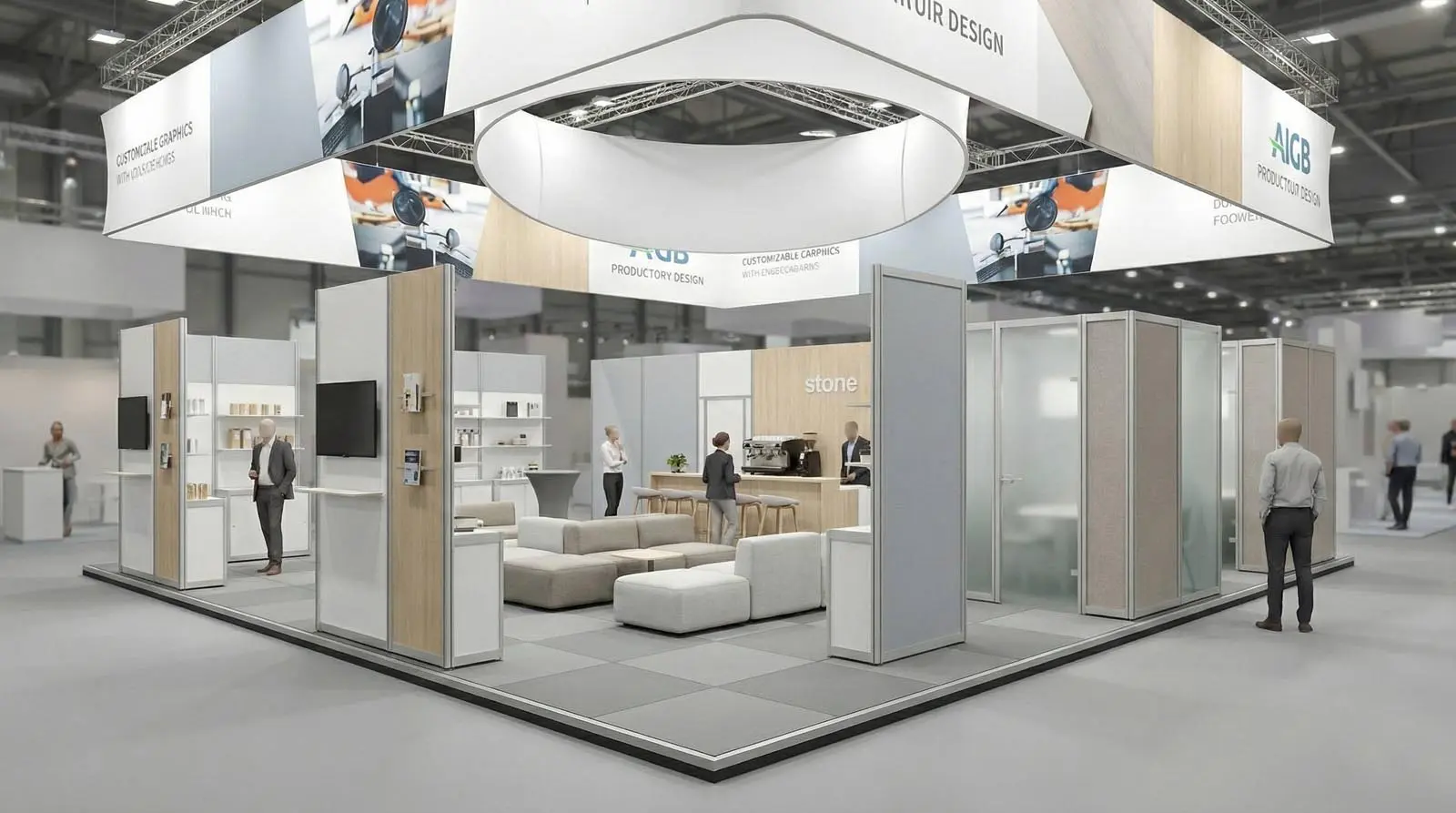
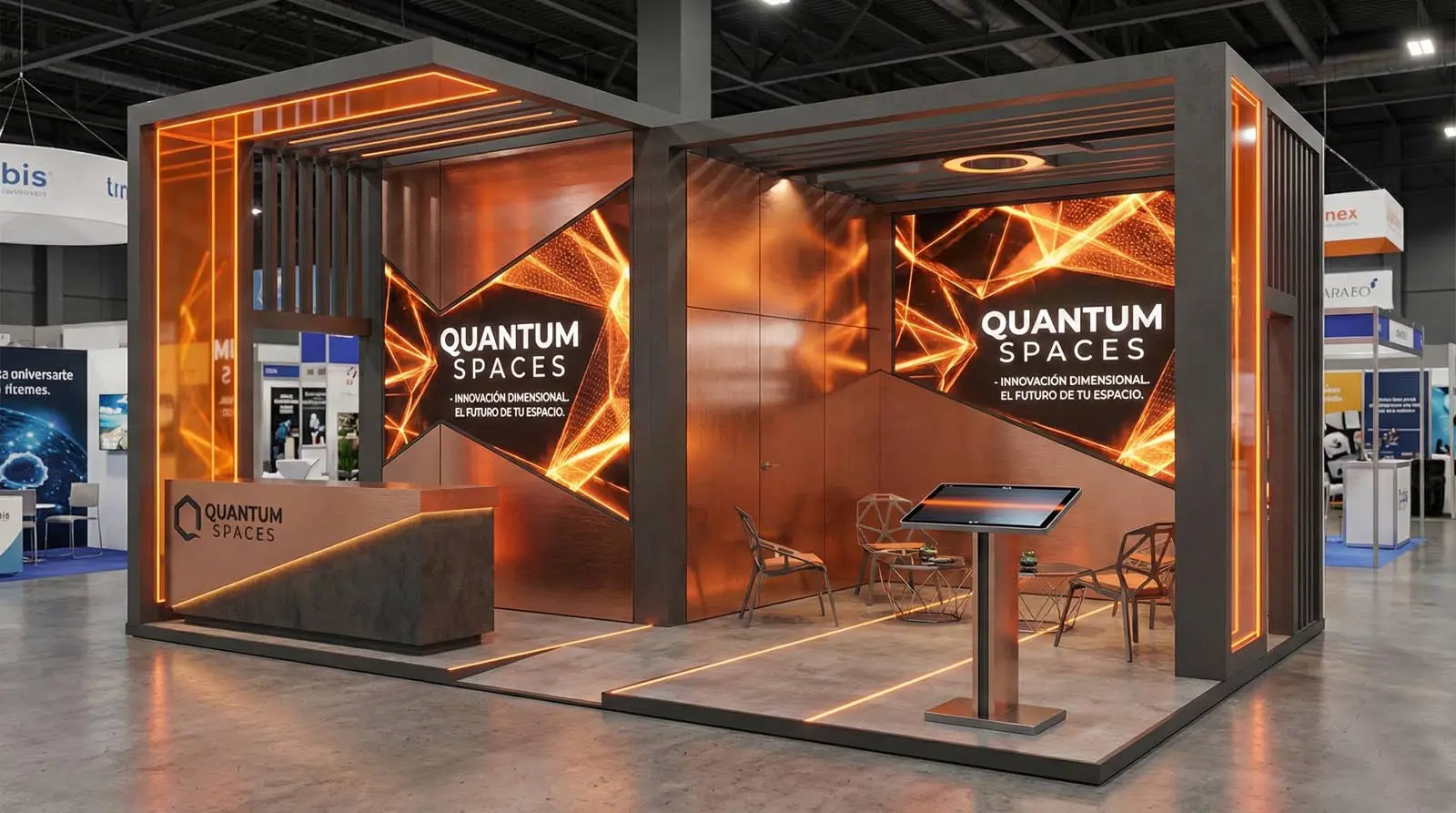
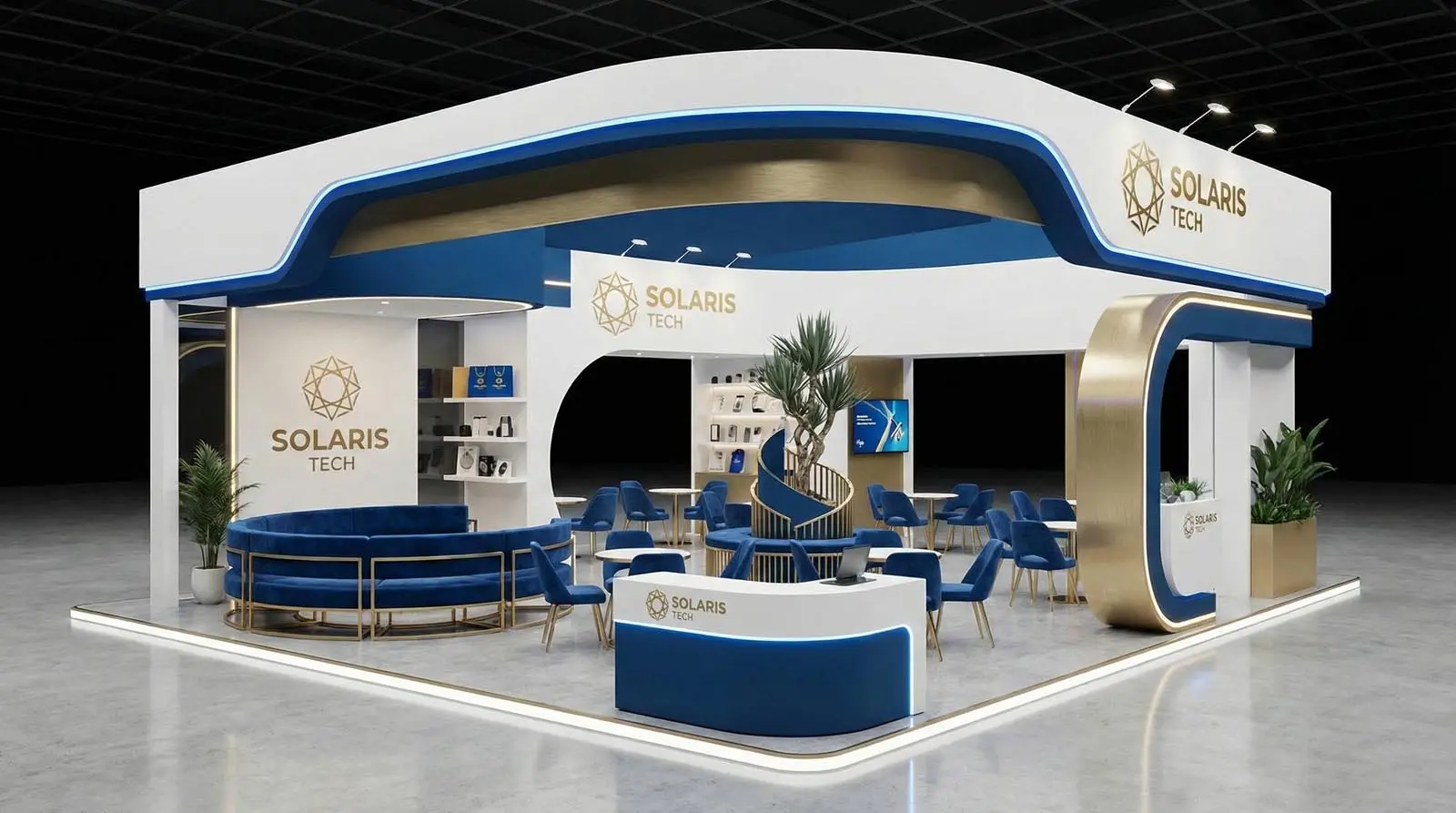
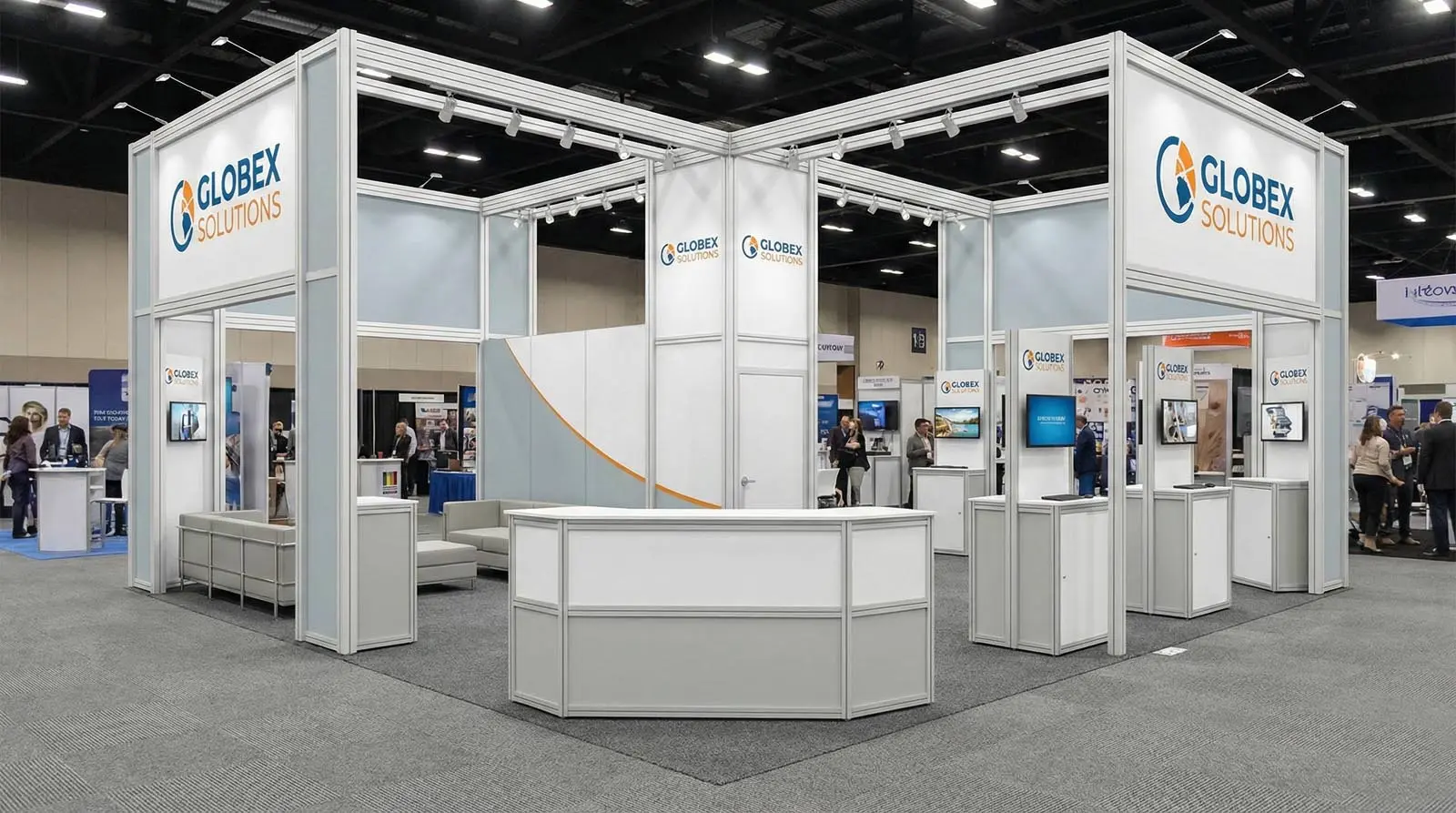
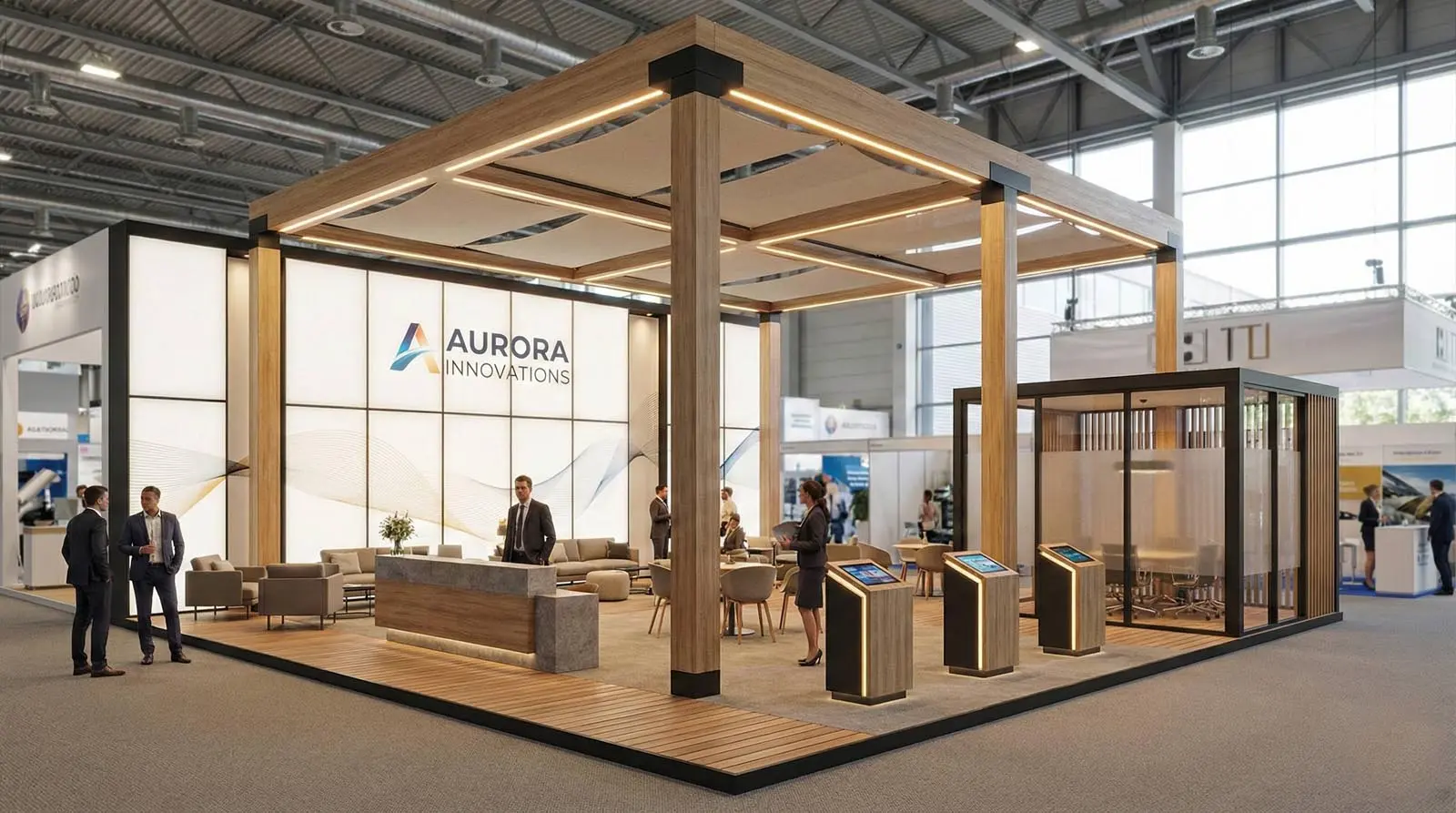
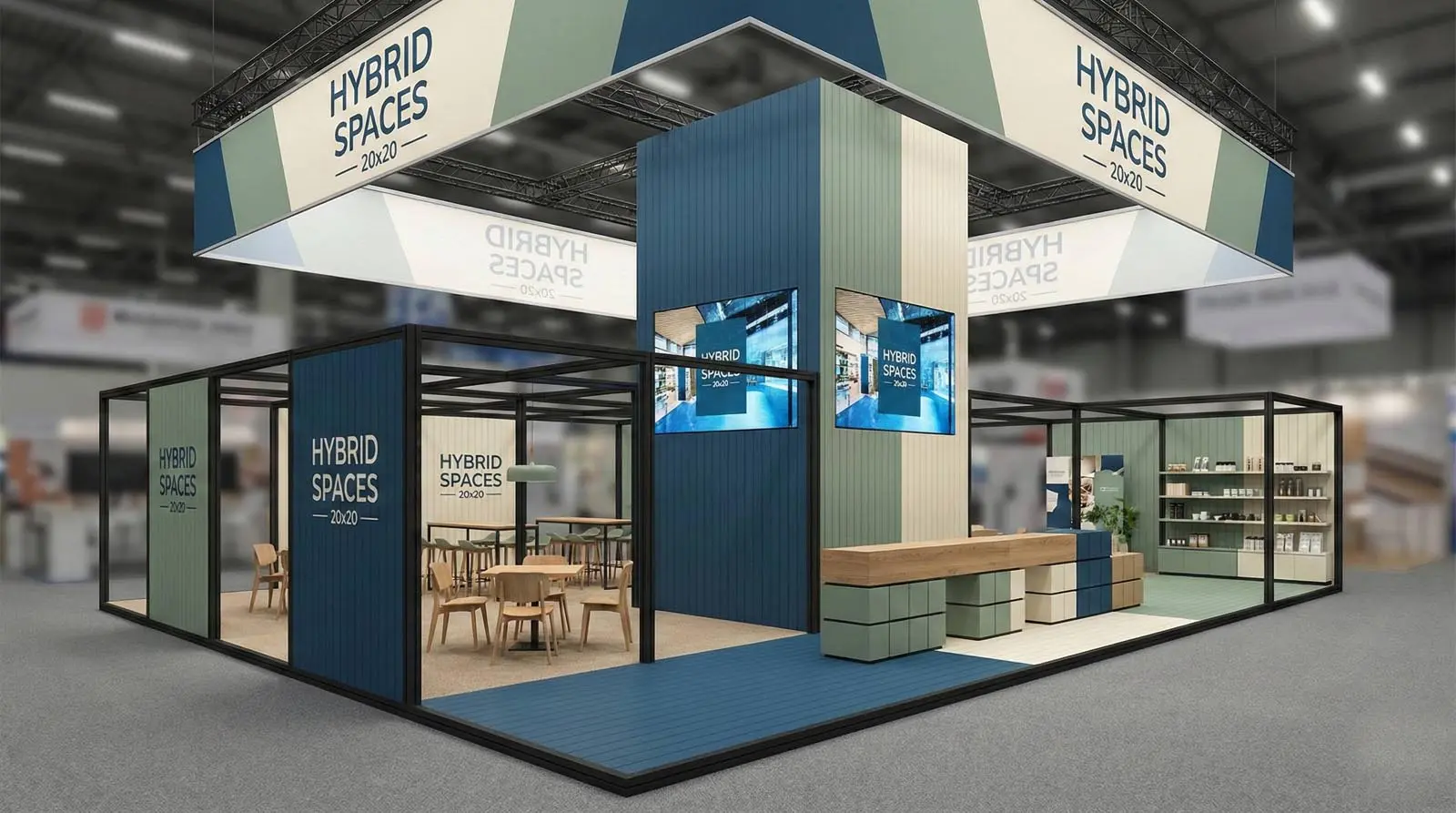
Venue-aware stand design in Barcelona (Gran Via, Montjuïc, CCIB)
Barcelona venues shape how visitors behave and what constraints matter.
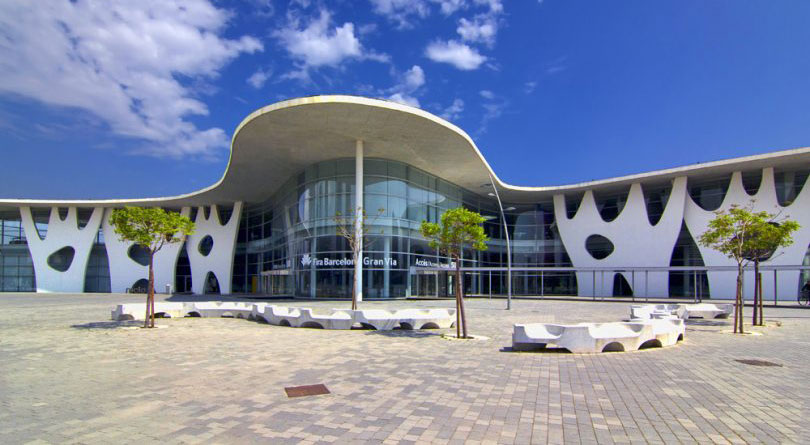
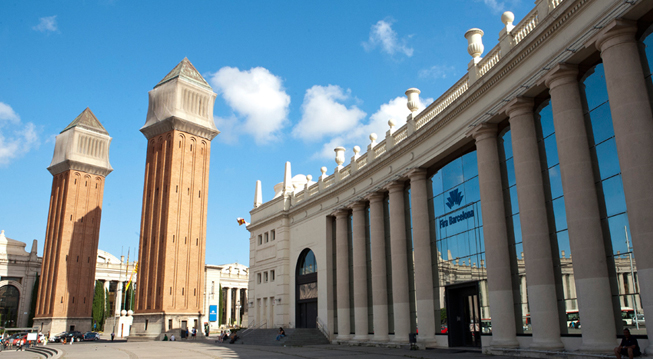
Fira Barcelona Gran Via exhibition stand design
Gran Via is intense. Sightlines matter. You compete with global brands, big visuals, and heavy demo expectations. Your stand needs to communicate fast from the aisle and remain operable when traffic spikes. If you are demo-first, plan technical needs early. If you are lead-first, design capture so it doesn’t block flow.
Fira Barcelona Montjuïc exhibition stand design
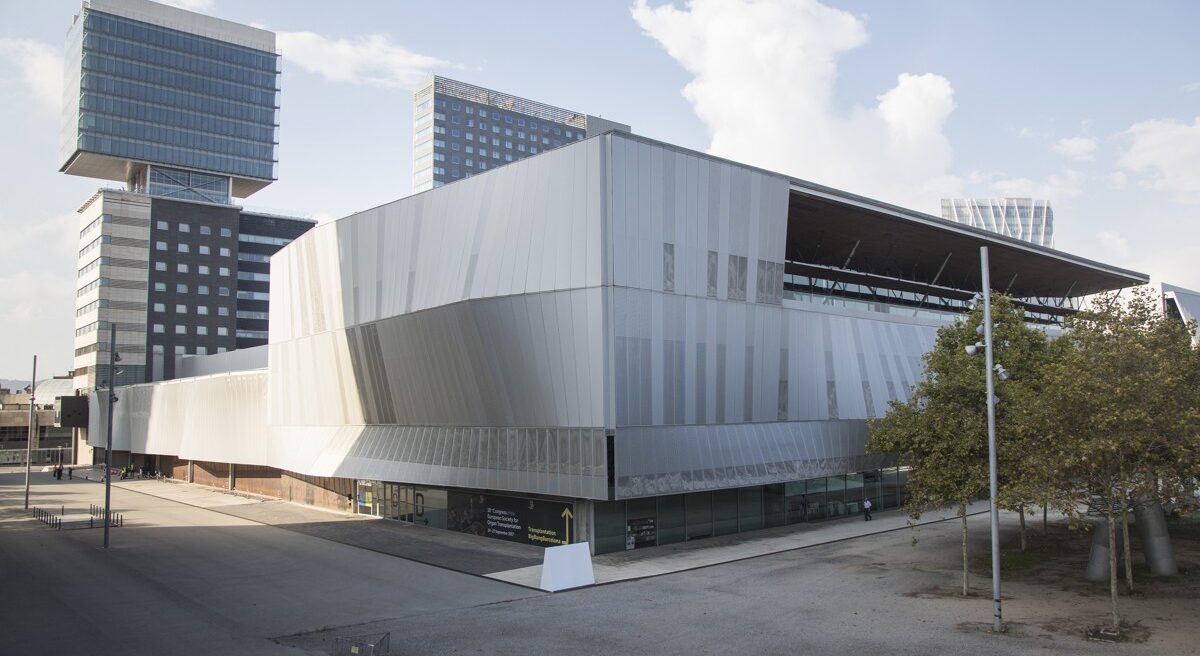
Montjuïc often rewards disciplined simplicity. Layout and buildability matter. A clean, purposeful stand usually outperforms a complicated one, especially when approvals are tight. Design for clarity, staff workflow and practical reset.
CCIB exhibition stand design
CCIB can be meeting-led depending on the event. Calm and usability often outperform noise. If meetings are the goal, build a system that qualifies visitors quickly and makes scheduled conversations feel professional.
From concept to quote-ready:
the part of design that saves budgets
The most expensive designs are the ones that hide scope. They look good, but they don’t define inclusions. That’s how projects drift: the quote grows later, technical needs appear late, and delivery becomes stressful.
We aim for design that is quote-ready:
- clear layout direction anchored to the objective
- defined zones (what happens where)
- clarity on what is included vs optional
- early technical thinking (power/AV/lighting needs)
- practical operational planning (storage, staff routes, reset points)
If you’re comparing multiple suppliers, quote-ready design is what allows you to compare like-for-like instead of comparing numbers that mean different things.
Cost Guide
A detailed guide of the costs involved in the production of different Stands.
Directional estimate
The calculator is not a final quote. It’s a way to reduce uncertainty early so you can request quotes that are actually comparable.
Custom, modular, hybrid, bespoke:
How design choices change the outcome
Stand type is not just a production choice. It changes the design logic.
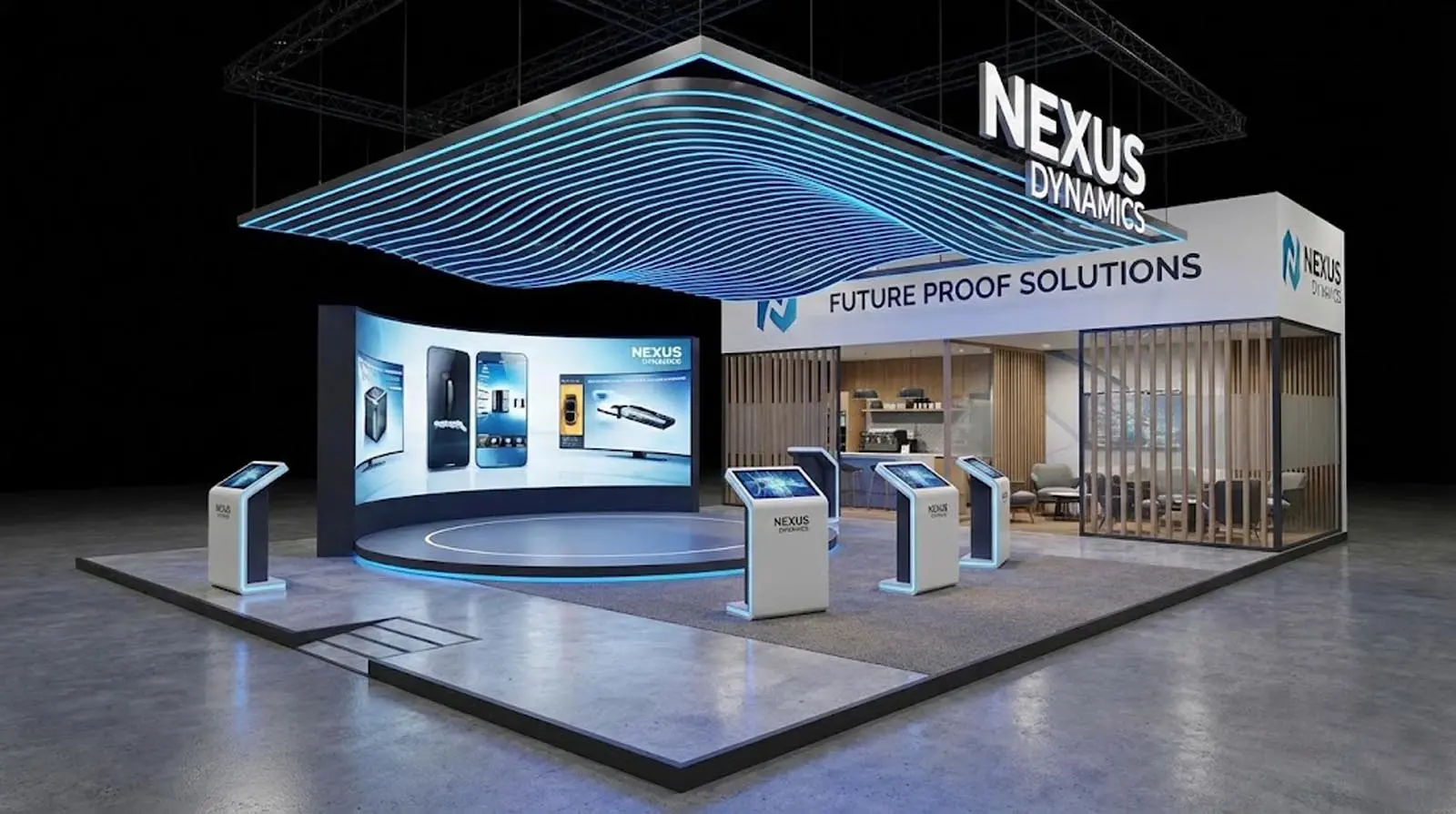
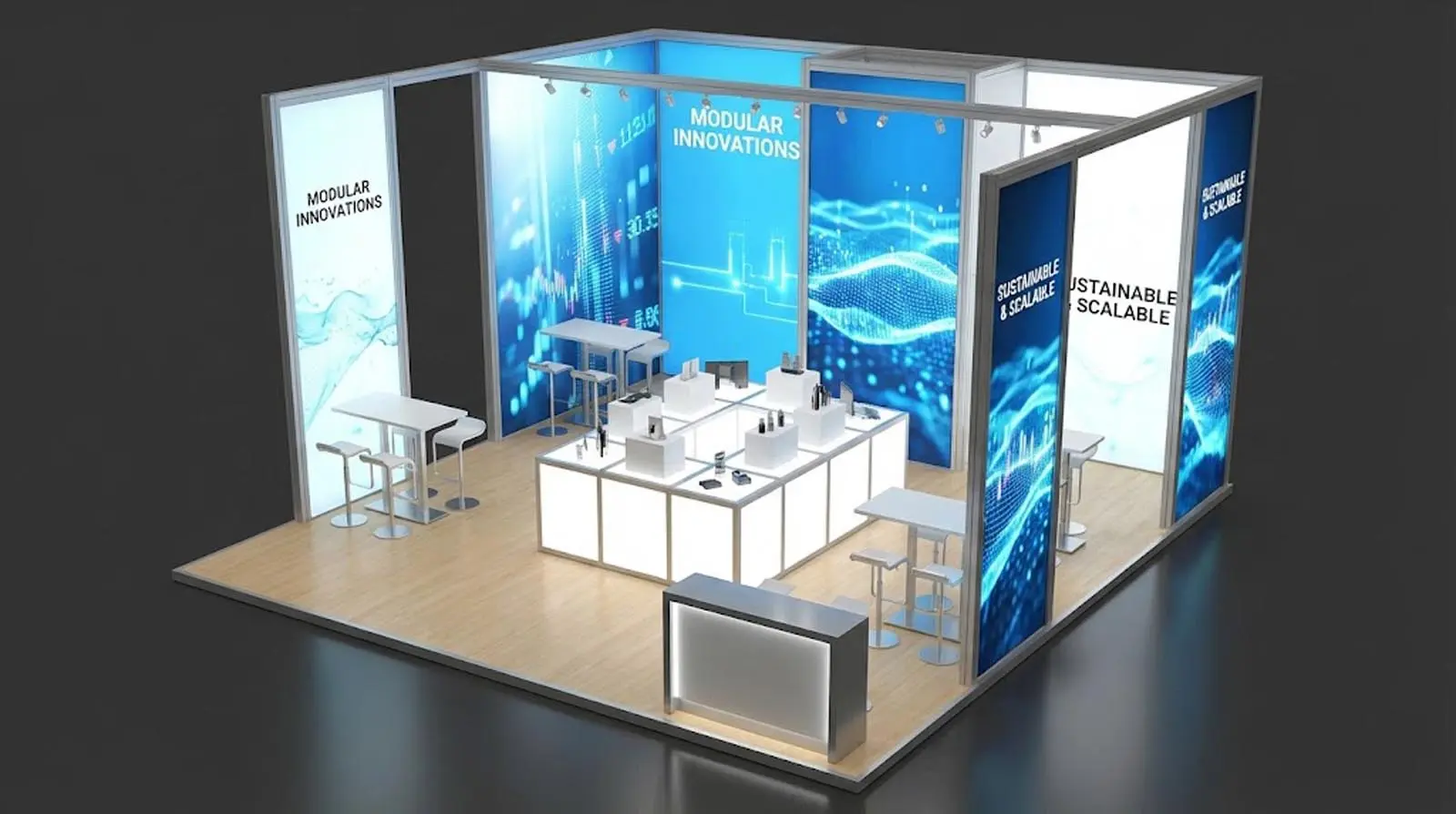
Best for differentiation and tailored zoning, requires scope discipline.
Best for speed and predictability, still needs strong design to avoid looking generic.
Modular stability plus one custom signature that creates impact and improves conversion.
Flagship perception-led, architecture with a commercial role.
Practical for tight timelines, must be designed for conversion, not treated as a generic box.
If you’re unsure, don’t guess. Choose two routes and compare them against your objective and deadline. In Barcelona, the “right” stand type is the one that can be approved and delivered calmly, not the one with the most features.
The brief that gets you a useful design and a comparable quote
If you want to move fast without chaos, send this.
You do not need a long document.
What we need
- event name + dates
- venue (Gran Via / Montjuïc / CCIB)
- stand size (m²) and footprint if known (e.g., 10×5)
- open sides (1 / 2 / 3 / 4)
- primary objective (leads / demos / meetings)
- must-haves (AV, storage, meeting space, product display)
- deadline for design approval
You can also use the brief template:
Phone: +34 609 70 92 56
FAQs:
Frequently Asked Questions
Layout strategy (by objective), zoning, flow planning for open sides, message hierarchy, and practical decisions that make the stand operable on the show floor.
Yes. We design with Gran Via’s traffic intensity and visibility realities in mind, including demo and flow planning when needed.
A designer defines how the stand works and communicates; a builder executes it. High-performing projects align design with buildability and scope clarity early.
We start from the outcome you need after the show: qualified leads, demo conversion, scheduled meetings, or partner conversations.
Yes, but the stand still needs one primary objective. Secondary objectives can be supported without creating layout conflict.
Yes. We can recommend a footprint range and layout approach, then refine once the organiser plan confirms dimensions and open sides.
Trying to communicate everything at once. A stand converts when it is clear: one offer, one proof moment, one next step.
Open sides change entry/exit logic, sightlines, and how you prevent congestion. Island stands require 360° coherence; corner stands require controlled flow.
We design across types. Modular and hybrid often perform extremely well when message hierarchy and the proof moment are designed properly.
By placing capture where the conversation naturally ends, making it fast, and ensuring the team can repeat it under pressure without slowing down.
Yes. The key is a consistent brief and written inclusions/exclusions so you’re comparing like-for-like.
The earlier you lock objective and scope, the calmer the project becomes. Late changes are the biggest source of cost and timeline stress.
Yes. We align stand/booth terminology and keep the brief consistent so decisions stay clear across teams.
Use /stand-price-calculator-barcelona/ for a directional estimate, then request a managed quote via /contact/
Event, venue, size/footprint (or m²), open sides, objective, must-haves and approval deadline.