Exhibition stand cost in Barcelona:
what you're really paying for,
what drives the number, and how to control it

If you’re searching for exhibition stand cost Barcelona, you’re probably not asking for a perfect number.
You’re asking for certainty.
You want to know whether your internal budget is realistic, why quotes vary so much, and what decisions actually move the price up or down. You also want to avoid the most painful trade show experience: signing off on a budget, then watching it drift because “that wasn’t included” or “we discovered this too late.”
This page is written to remove the fog.
At Stands.Barcelona, we treat cost as a product of decisions. The number is not random. It is the outcome of scope, stand type, footprint, open sides, technical requirements, and timeline discipline. When those inputs are clear, costs become controllable. When they are vague, costs become unpredictable.
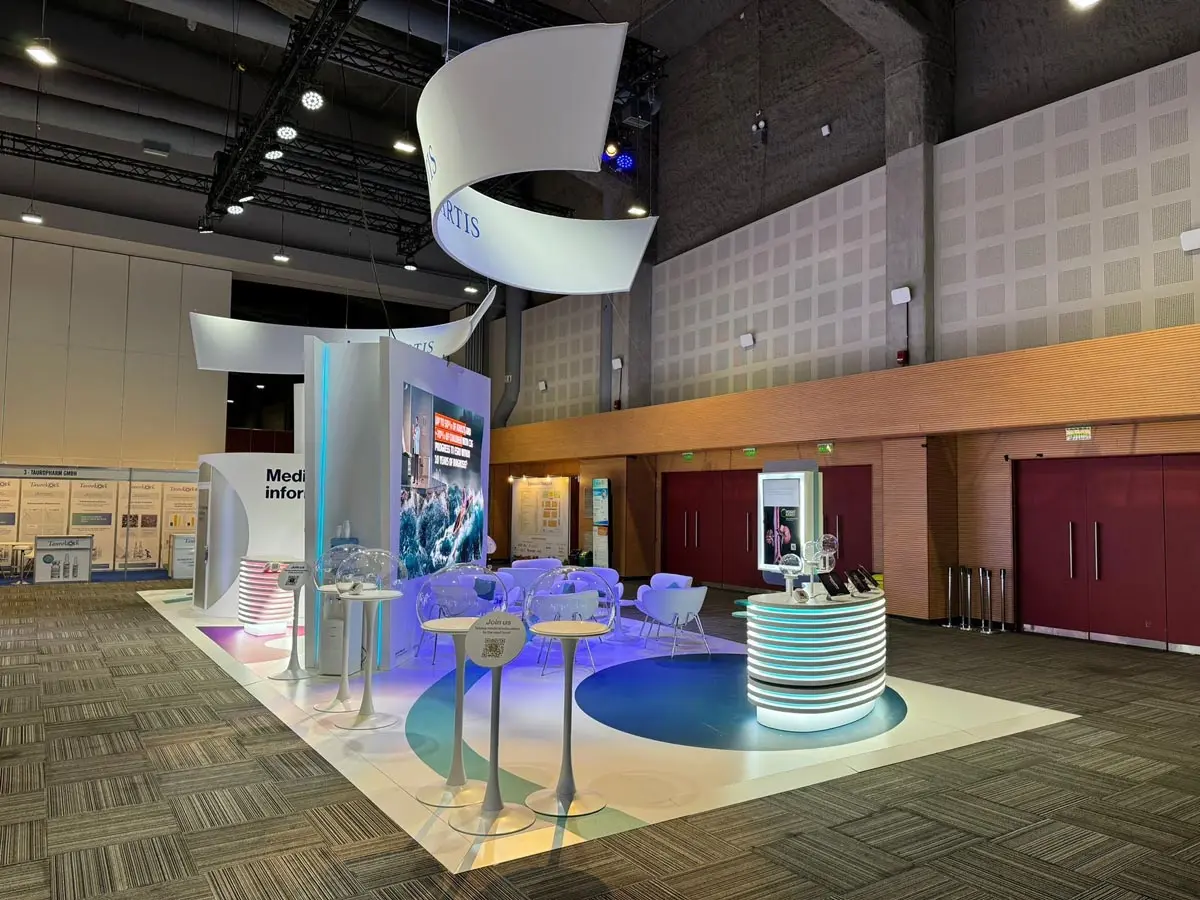
Why exhibition stand costs in Barcelona vary so much
Two exhibitors can have the same footprint and receive quotes that feel worlds apart. That usually happens for one reason: the quotes are not the same project.
Quotes vary because:
- Inclusions are different (what’s “in” vs “optional”)
- Finishing assumptions are different (what “premium” means)
- Technical requirements are assumed or hidden (power, AV, lighting, rigging)
- Stand type and complexity are different (modular vs custom vs bespoke)
- Timeline and risk pricing are different (late approvals increase risk)
- Onsite services and logistics expectations are different
If you compare headline numbers without comparing scope, you don’t choose the best supplier. You choose the best storytelling.
So the first rule of Barcelona stand cost: compare scope before you compare price.
The cost framework:
five drivers that explain most of the price
When you break it down, most of the cost sits in five categories.
1) Stand type and complexity
Stand type is a delivery strategy. It changes cost and risk profile.
- Modular: often more predictable, fewer unknowns
/modular-exhibition-stands-barcelona/ - Hybrid: modular backbone plus targeted custom element
/hybrid-exhibition-stands-barcelona/ - Custom: more tailored, more design freedom, needs scope discipline
/custom-exhibition-stands-barcelona/ - Bespoke: flagship perception, architecture-led, highest complexity potential
/bespoke-exhibition-stands-barcelona/ - Hire / rental: often fastest and controlled for one event
/exhibition-stands-hire-barcelona/ - Double deck: meeting capacity, higher planning complexity
/double-deck-exhibition-stands-barcelona/
In cost terms, the biggest mistake is choosing a stand type that doesn’t match your objective. It creates waste: you pay for complexity you don’t use, or you pay later in fixes because you underbuilt what you actually needed.
2) Footprint, open sides, and layout efficiency
Size matters, but not in the simple way people think.
Footprint influences:
- how many zones you can run without congestion
- how many people you can host at once
- how much structure you need to make the space legible
- how much storage is required to stay tidy
Open sides influence cost because they influence:
- how many “finished” edges you need
- how flow must be designed to avoid chaos
- how much branding and visibility must be delivered in 360° (island)
Explore footprints and layout logic:
A disciplined footprint often beats a larger footprint that is filled with unnecessary structure. Efficiency is a cost strategy.
3) Technical requirements (especially demos)
Technical needs are where budgets drift when decisions are late.
Common drivers:
- power requirements and distribution
- AV complexity (screens, sound, connectivity)
- lighting quality and placement
- demo reliability (repeatable all day without failure)
- rigging or overhead elements (where relevant)
If your stand is demo-first, technical planning should be decided early. Late technical decisions are expensive, and they create last-minute stress.
If you want the design mindset behind this:
4) Finishing level and “premium perception”
Premium is not one thing. It’s a set of choices.
Finishing level affects:
- surface quality and durability (how it looks on day three)
- lighting discipline (premium perception often comes from lighting)
- touchpoints (where hands and eyes go)
- cleanliness and operational discipline (storage and reset)
Many quotes look cheaper because they assume a basic finishing level. Many quotes look expensive because they assume premium everywhere. The only fair comparison is when finishing assumptions are written.
5) Timeline, approvals, and risk
In Barcelona, late changes cost more than people expect.
The project becomes expensive when:
- internal approvals are delayed
- the brief keeps changing
- content is not final (copy, graphics)
- technical needs are decided late
- production is compressed
Suppliers price risk. If the timeline is tight and scope is unclear, risk rises and so does cost. The calmest budget strategy is to lock decisions early.
Use:
Cost by stand type:
what changes the budget most
This is not a price list. It’s a “what moves the needle” guide.
Modular stand cost drivers
Modular tends to be more predictable because the system is known.
Cost rises with:
- premium lighting upgrades
- larger footprints and more open sides
- complex graphics and last-minute changes
- added demo/AV requirements
Hybrid stand cost drivers
Hybrid is usually cost-effective when custom is selective.
Cost rises with:
- multiple custom “signature” elements (instead of one)
- complex demo features with heavy technical needs
- scope drift that turns hybrid into full custom
Custom stand cost drivers
Custom cost rises quickly when complexity grows without purpose.
Cost rises with:
- too many zones competing for space
- custom architecture everywhere instead of selective impact
- unclear finishing expectations
- late technical additions
Bespoke stand cost drivers
Bespoke is flagship and perception-led.
Cost rises with:
- architecture and structure that doesn’t improve behaviour
- overhead elements and high finishing expectations
- meeting environments that are built like decor, not like usable rooms
- late changes (which are especially expensive here)
Hire / rental cost drivers
Hire is often predictable, but quotes vary due to inclusions.
Cost rises with:
- upgraded graphics, flooring, lighting
- added AV and demo requirements
- tight timelines for content approvals
- unclear inclusions that become paid extras later
Double deck cost drivers
Double deck is about meeting capacity. It requires disciplined planning.
Cost rises with:
- unclear meeting requirements (capacity, privacy needs)
- a ground floor that becomes too closed or too complex
- late technical and scope changes
Barcelona venue factors:
Gran Via vs Montjuïc vs CCIB
Venue matters because it changes both behaviour and logistics expectations.
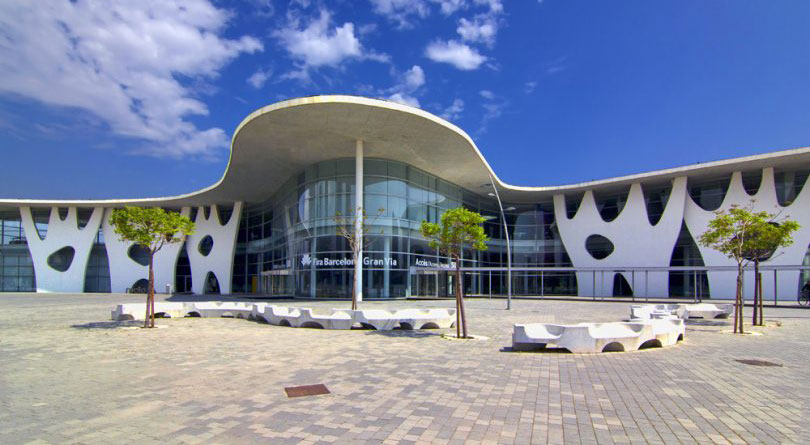
Gran Via cost considerations
Gran Via is intense and competitive that require stronger visibility and messaging discipline, higher demo readiness and operational planning
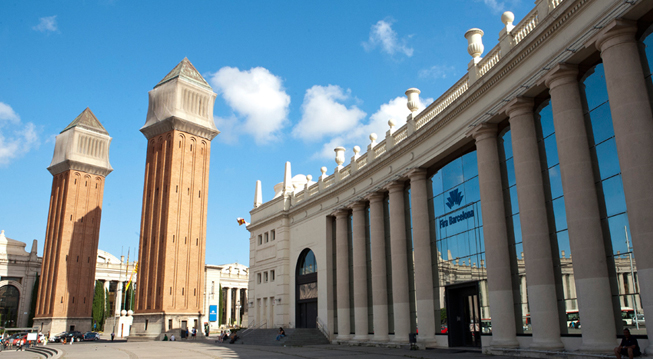
Montjuïc cost considerations
Montjuïc often rewards buildability and disciplined simplicity.
Overbuilding can add cost without adding performance.
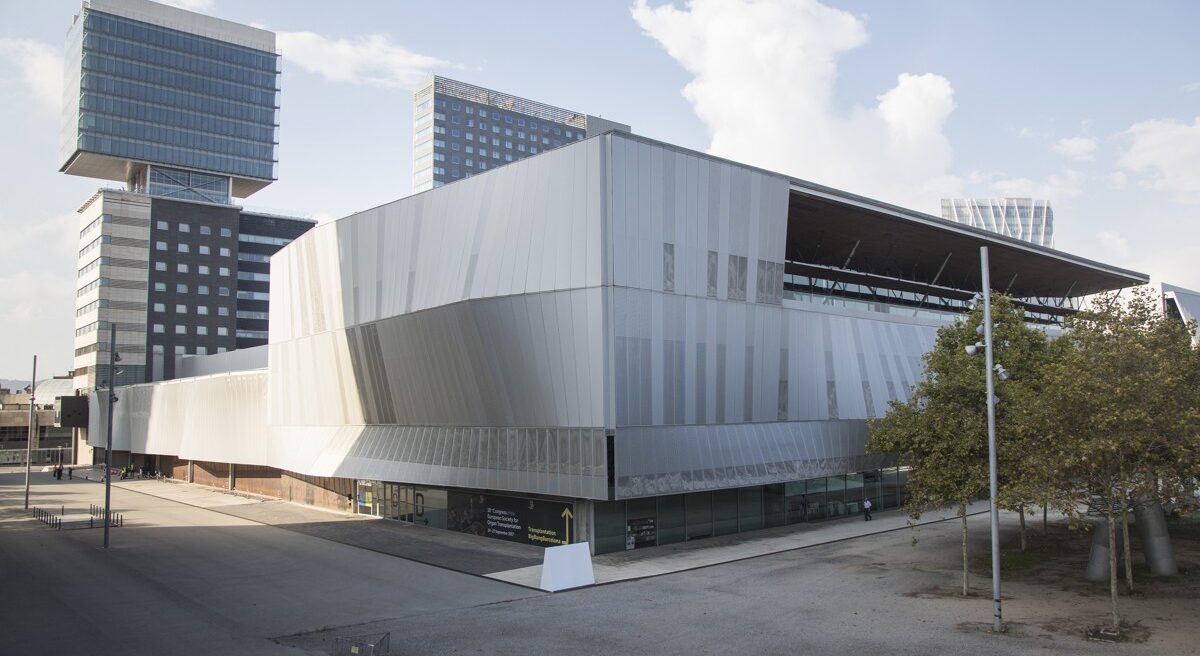
CCIB
cost considerations
CCIB can be meeting-led depending on the event. Costs can rise if meeting environments are overbuilt instead of designed for usability.
Venue-aware planning reduces surprise costs because
constraints are handled early rather than discovered late.
How to compare quotes properly
(so you don't buy the wrong project)
If you want a fair comparison, ask every supplier to respond to the same brief and provide scope in writing.
A comparable quote should include:
- footprint and open sides (confirmed)
- stand type and concept assumptions
- a clear list of inclusions
- optional upgrades listed separately
- exclusions stated clearly
- finishing assumptions (what level is included)
- technical assumptions (power/AV/lighting expectations)
- approval deadlines and what happens if content is late
If a quote hides these details, it is not cheaper. It is incomplete.
How to control your exhibition stand cost in Barcelona
(practical playbook)
If you want a calmer budget, do these five things:
- Choose the primary objective early
Leads, demos, meetings. The objective decides the layout and prevents overbuilding. - Lock the layout direction early
Once the layout is set, the project stabilises. Late layout changes are expensive. - Separate must-haves from optional upgrades
Upgrades are fine when they are choices, not late surprises. - Decide technical needs early
Especially for demos: power, AV, lighting. Late technical adds cost and stress. - Finalise content early
Late copy and graphic changes create reprints and waste.
If you want a structured way to do this:
Want a number now?
Use the calculator, then request a managed quote
Cost Guide
If you want a cost explanation written plainly
Price Calculator
Get a fast directional Price Range
Request a Quote
Evenrything you need to start your project
What we need from you to give a reliable cost estimate
To get a quote that is meaningful and comparable, send:
- event name + dates
- venue (Gran Via / Montjuïc / CCIB)
- stand size (m²) and footprint if known (e.g., 10×5)
- open sides (1 / 2 / 3 / 4)
- primary objective (leads / demos / meetings)
- must-haves (AV, storage, meeting space, product display)
- deadline for design approval
You can also use the brief template:
Phone: +34 609 70 92 56
FAQs:
Frequently Asked Questions
Cost depends on stand type, footprint, open sides, technical needs, finishing level, and timeline. The most reliable way to estimate is to define scope clearly and compare like-for-like.
Because inclusions, finishing assumptions, technical planning, and risk pricing differ. Without written inclusions/exclusions, quotes are not comparable.
Modular is often more predictable and sometimes lower, but the main advantage is controlled scope and fewer unknowns.
Late changes, unclear scope, heavy technical requirements discovered late, and complexity without purpose.
It can. Venue constraints and behaviour patterns influence design, technical planning, and risk. Planning with venue reality early reduces surprise costs.
Simplify complexity, lock objective and layout early, use a modular/hybrid backbone, invest in one proof moment, and avoid text-heavy graphics that trigger late changes.
Use one consistent brief and request written inclusions/exclusions and optional upgrades separated clearly.
Demos can increase cost through power, AV, lighting and crowd-control needs. Planning early keeps it controlled.
Premium perception depends on lighting, surface quality, and touchpoints. Costs rise when “premium” is assumed everywhere without being defined.
It typically has higher planning complexity and meeting capacity features. It is worth it when meeting demand is real and the ground floor remains open and converting.
They can stabilise cost by reducing rework and designing for reuse. Sustainability often aligns with controlled scope and reduced late-change waste.
The earlier objective, layout and technical needs are locked, the calmer the budget becomes. Late approvals are a major cost driver.
Yes. Use /stand-price-calculator-barcelona/ for a directional range, then request a managed quote with scope clarity.
Event, venue, footprint or m², open sides, objective, must-haves and approval deadline.
Send your details via /contact/ or call +34 609 70 92 56.