Exhibition stand builders
in Barcelona
for international exhibitors
who want control,
not chaos

Most people search for exhibition stand builders in Barcelona when time is already tight.
The event is coming, internal stakeholders are asking for certainty, and you need someone local who understands how Barcelona trade shows actually behave. That’s fair. But it also means you’re vulnerable to the most common trap in stand building: picking a supplier based on a number before the scope is clear.
A builder is not just a company that can assemble a structure. A real exhibition stand builder protects your timeline, your budget, your team’s sanity, and your stand’s performance once the hall is full. The difference is rarely visible in a quick proposal. It becomes visible on show day.
Stands.Barcelona exists to make that difference measurable: scope clarity, venue-aware planning, practical delivery thinking, and a stand your team can run without improvising.
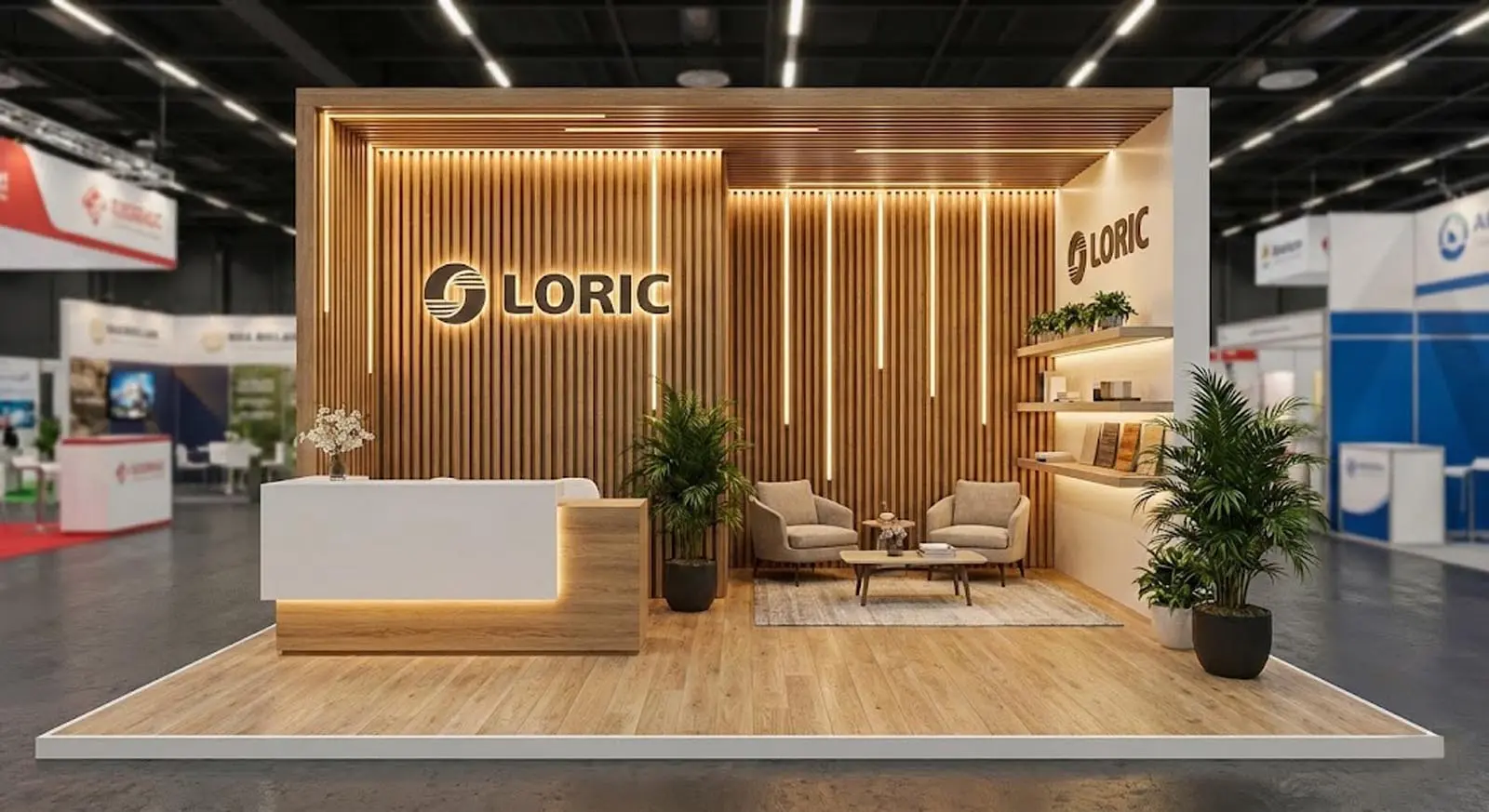
What “exhibition stand builder”
should mean in Barcelona
You’ll see many keywords online: exhibition stand builders Barcelona, stand builder Barcelona, exhibition stand contractor, stand construction company, exhibition stand supplier, exhibition stand manufacturer. The terminology varies. The real question is this:
Can the supplier deliver a stand that stays calm when the hall is loud, the schedule is messy, and the inevitable small problems appear?
Barcelona trade shows are intense: international brands, long days, constant foot traffic, and stakeholders expecting results.
A builder who performs in Barcelona usually has three habits:
1. They make scope visible
What is included, what is optional, what is assumed, and what is excluded. If this is not written clearly, the “cheap” quote becomes expensive later.
2. They plan around venue reality
Gran Via is not Montjuïc, and CCIB behaves differently again. Load-in, access, timing, technical requirements, and visitor behaviour change decisions.
3. They think like operators
A stand is a working environment, not a sculpture. Staff routes, storage, power planning, and reset discipline are conversion factors because they keep the stand professional and functional all week.
Why Barcelona projects go wrong
(and how to avoid it)
Most stand projects don’t fail because someone is incompetent. They fail because the project becomes unclear.
Here’s how “unclear” usually looks:
- The stand design is beautiful but not quote-ready (scope hidden).
- The team keeps changing requirements as approvals move internally.
- Technical needs appear late (power, AV, lighting, rigging).
- “Optional extras” become “urgent must-haves” one week before build-up.
- Delivery becomes reactive instead of planned.
The fix is not “work harder.”
The fix is to make decisions earlier and put them in writing:
- Objective (leads, demos, meetings)
- Footprint and open sides
- What must be included
- What is optional
- Deadline for approvals
If you want a builder quote that means something, you need this clarity first. If you don’t have it, we can help structure it quickly.
Start with objective,
not materials
If you want your stand to perform, the builder
must understand what the stand is supposed to do.
Lead-first build mindset
Lead-first doesn’t mean “a counter and an iPad.” It means a build that supports a repeatable rhythm:
- invitation edge that doesn’t block entry
- clean proof point that reduces skepticism
- capture placed where conversations naturally end
- storage and staff routes that prevent clutter
Demo-first build mindset
Demo-first requires more planning than most teams expect:
- demo visibility from the aisle
- space for a crowd without congestion
- early power/AV planning so demos don’t fail under pressure
- acoustic discipline so the stand doesn’t become unpleasant
Meeting-first build mindset
Meeting-first stands must be usable and calm:
- privacy as a choice, not a closed box
- meeting flow that doesn’t kill inbound traffic
- a clear hook that attracts the right visitors
- staff workflow so meetings don’t collapse into chaos
If you don’t choose the objective, the build will become a compromise, and the stand will underperform in silence.
Stand size matters because it dictates workflow
Builders often talk about “square metres.” Your team experiences a footprint.
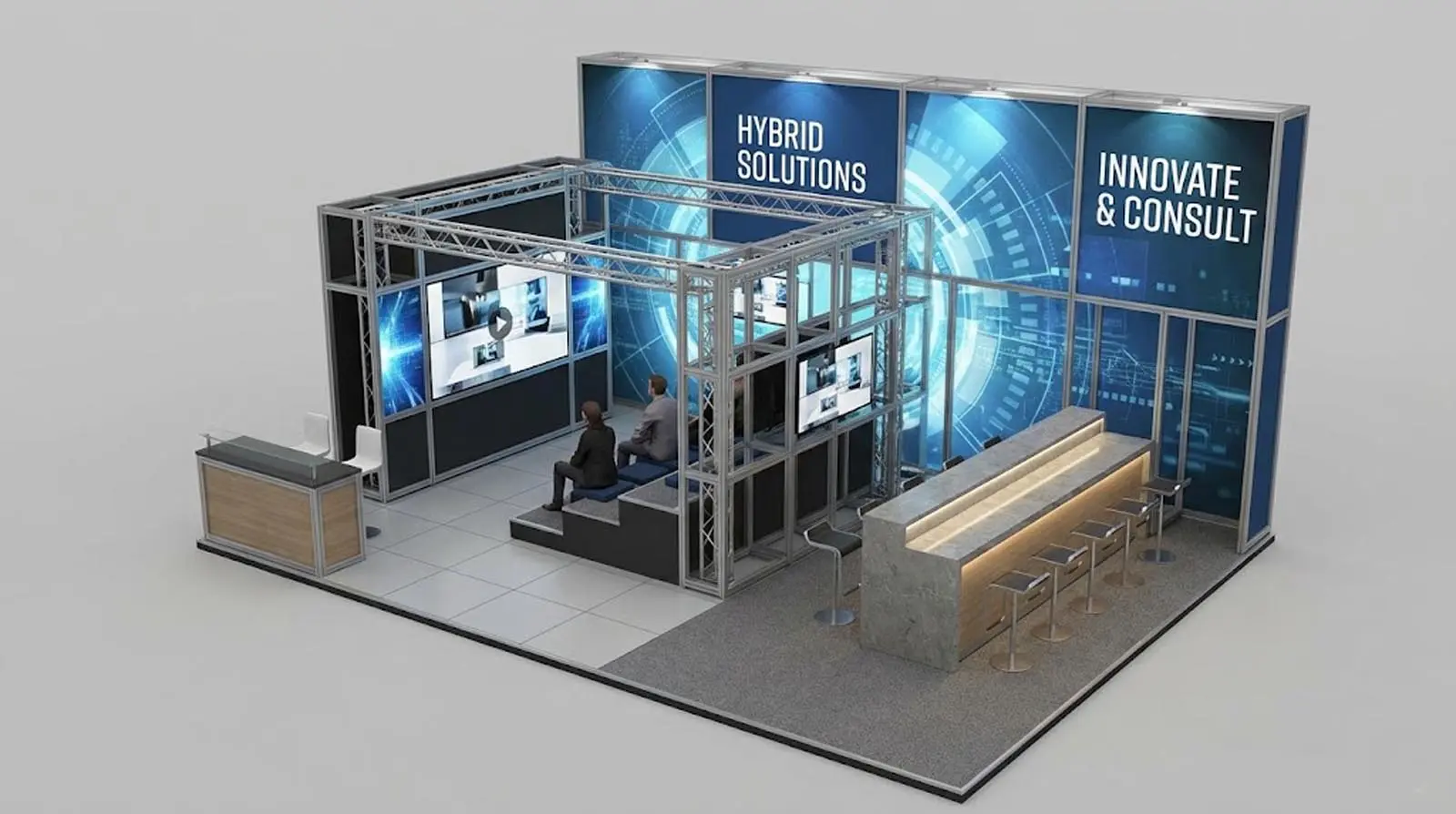
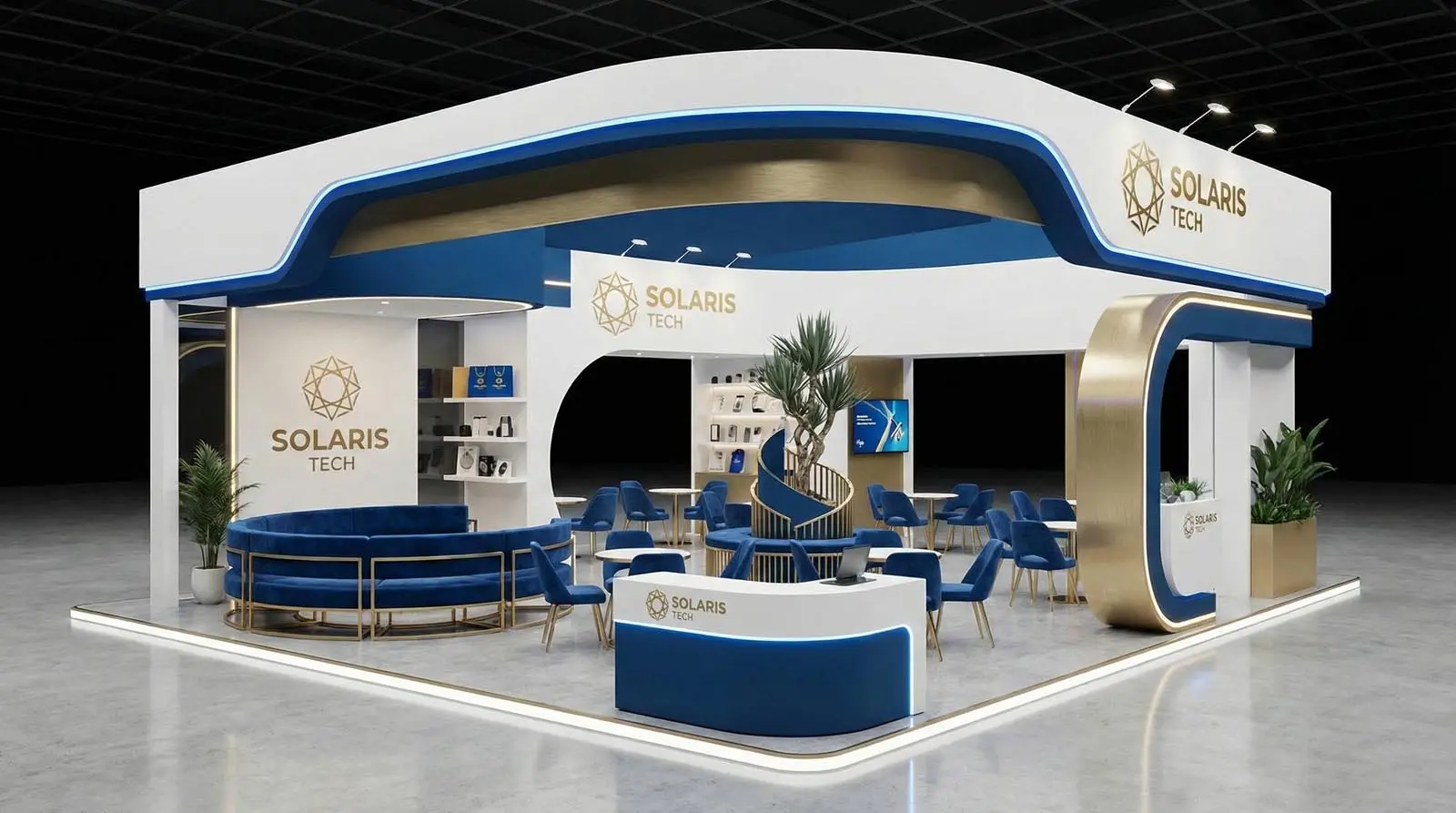
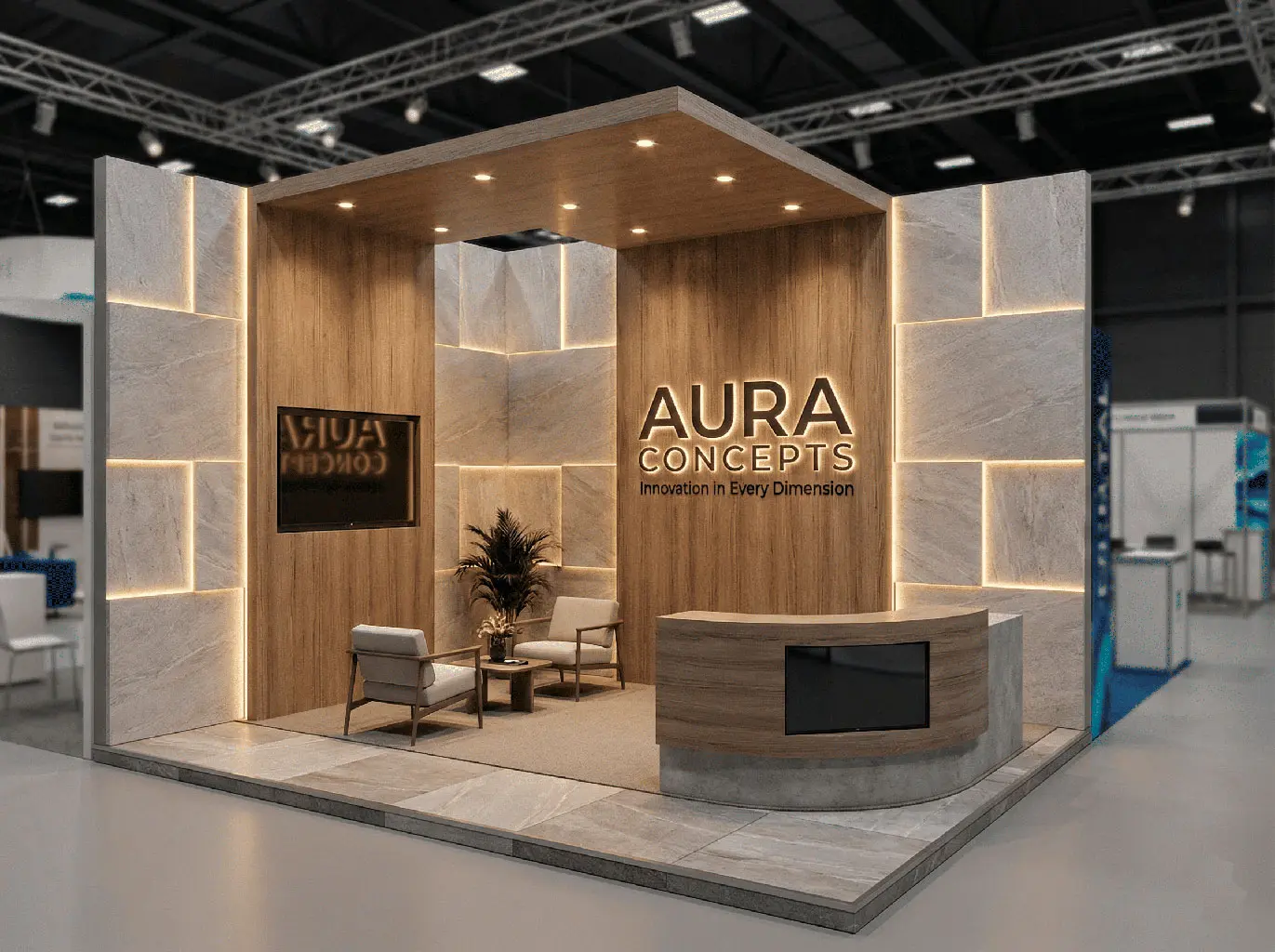
If you want to explore layouts by footprint (and what they are best for):
Included sizes:
3×3, 3×4, 3×5, 3×6, 3×7, 3×8, 3×9, 3×10, 5×5, 8×5, 10×5, 10×10, 15×10, 20×10.
A disciplined 3×6 can outperform a cluttered 10×5. The builder’s job is to deliver a stand that matches the workflow the footprint allows.
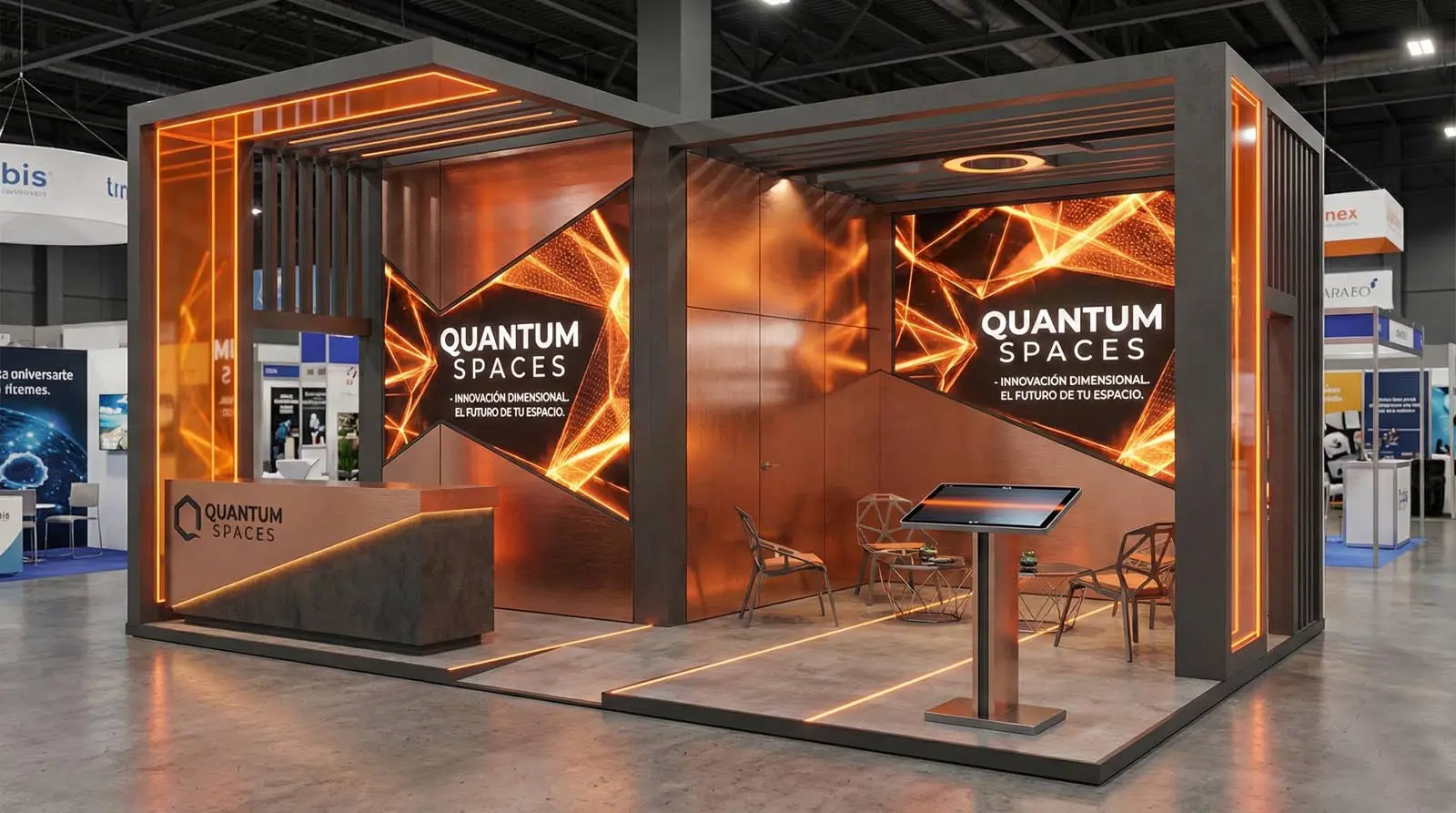
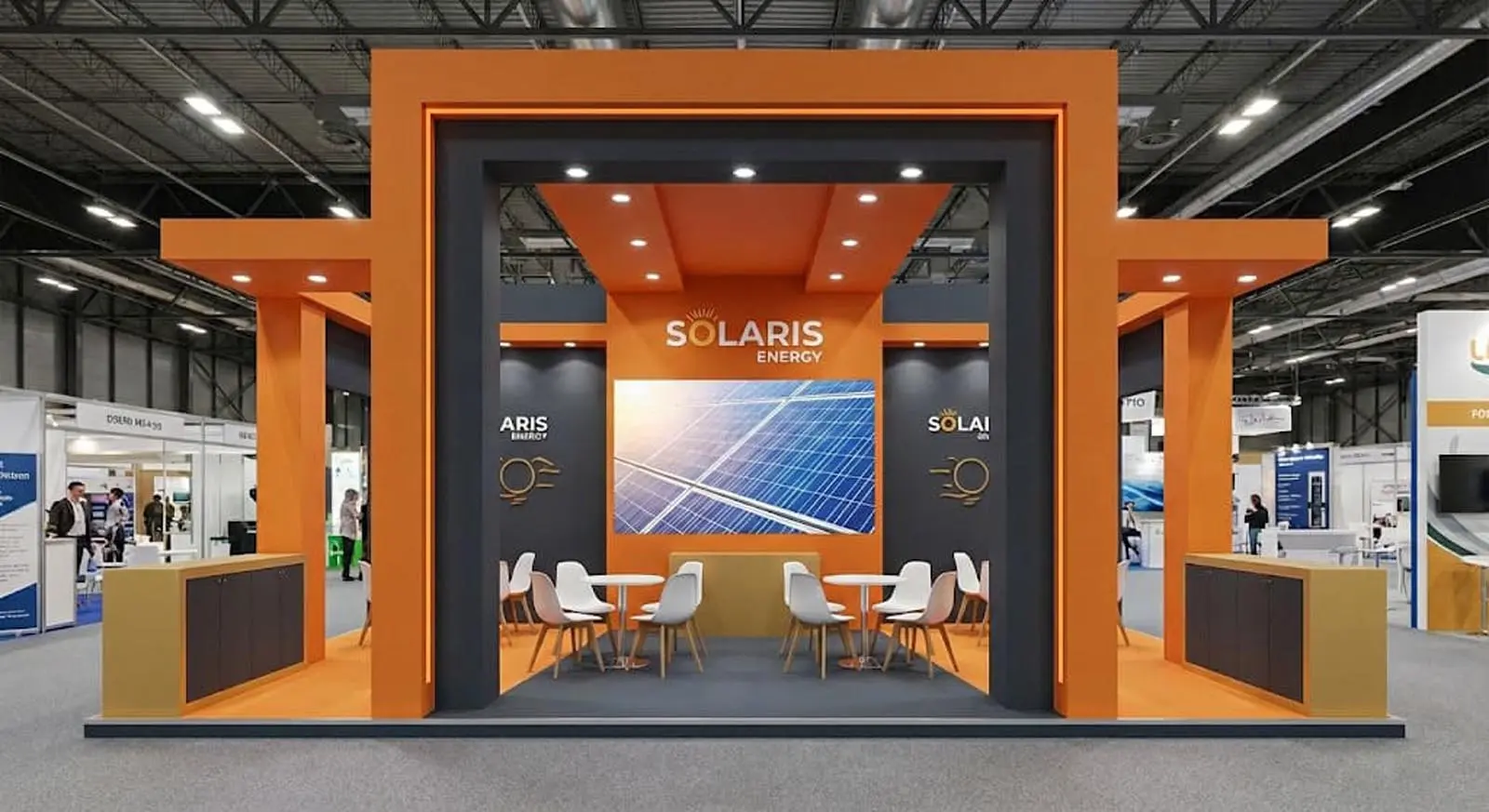
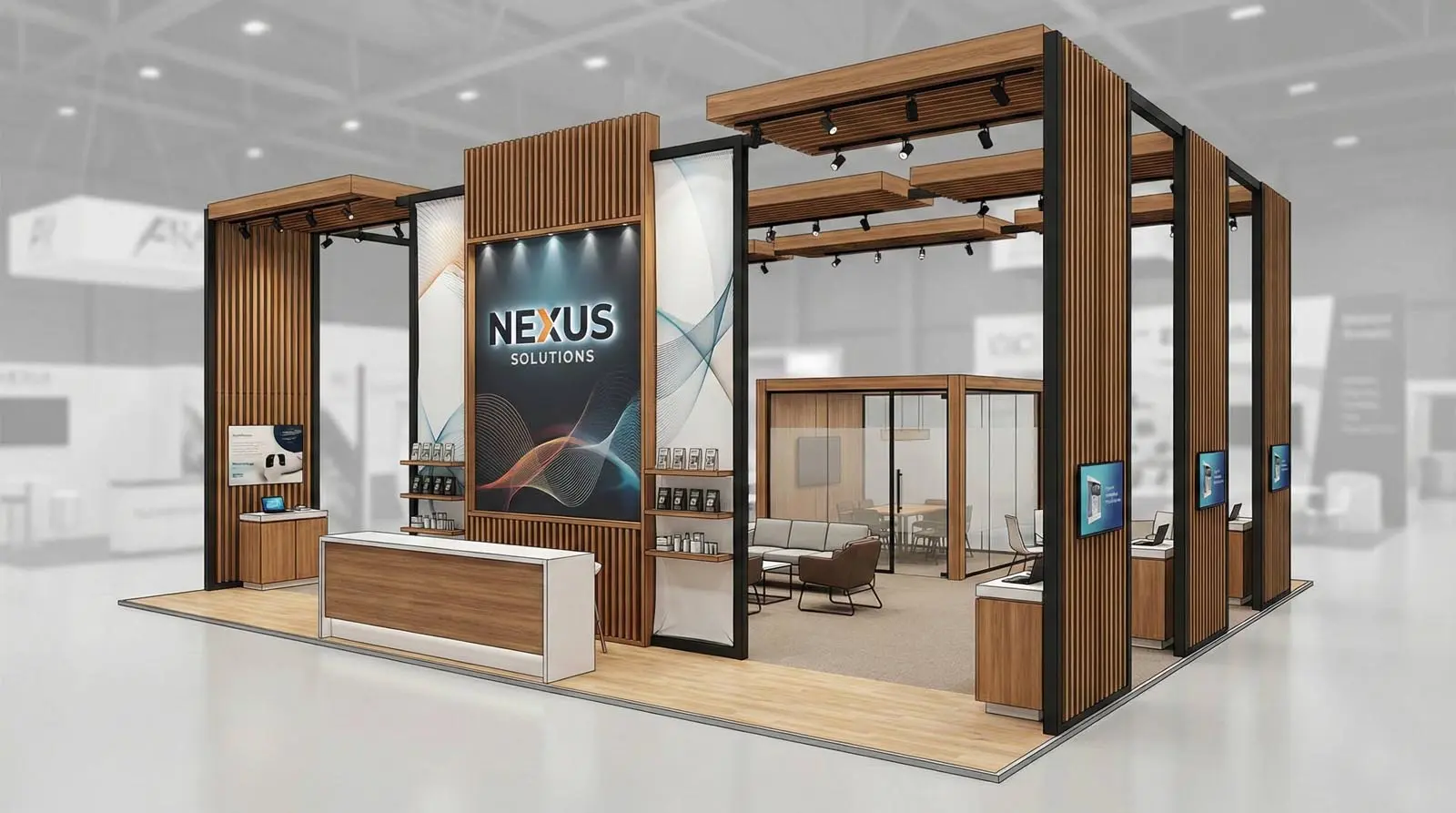
Barcelona venues:
builders who don’t plan for the venue create last-minute pain
Barcelona delivery is not one-size-fits-all.
Good builders plan around the venue instead of discovering constraints late.
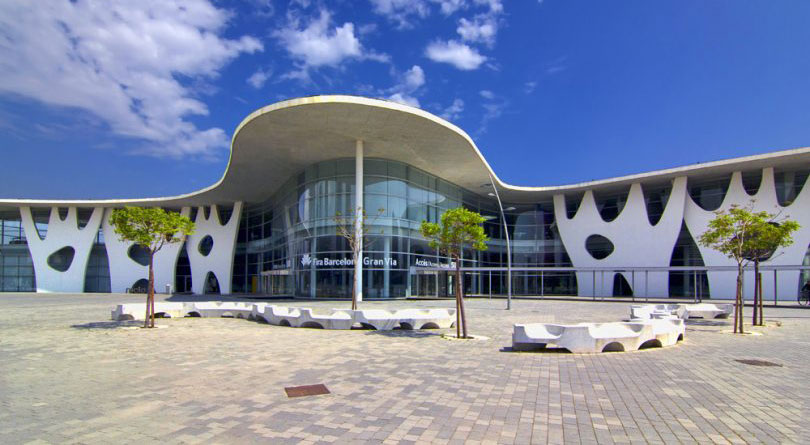
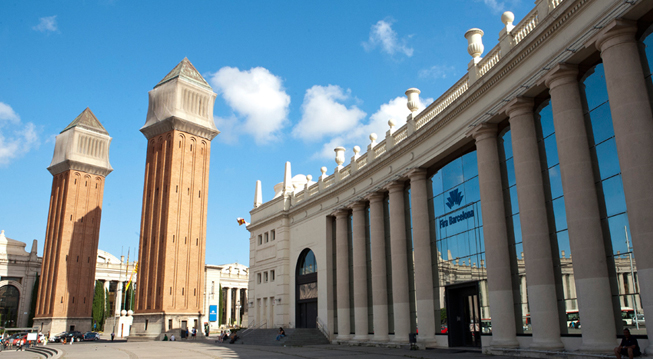
Fira Barcelona Gran Via
Gran Via often means higher traffic intensity and stronger competitive pressure. Stands need fast clarity and operable flow. If you’re demo-driven, technical planning (power/AV) is not optional.
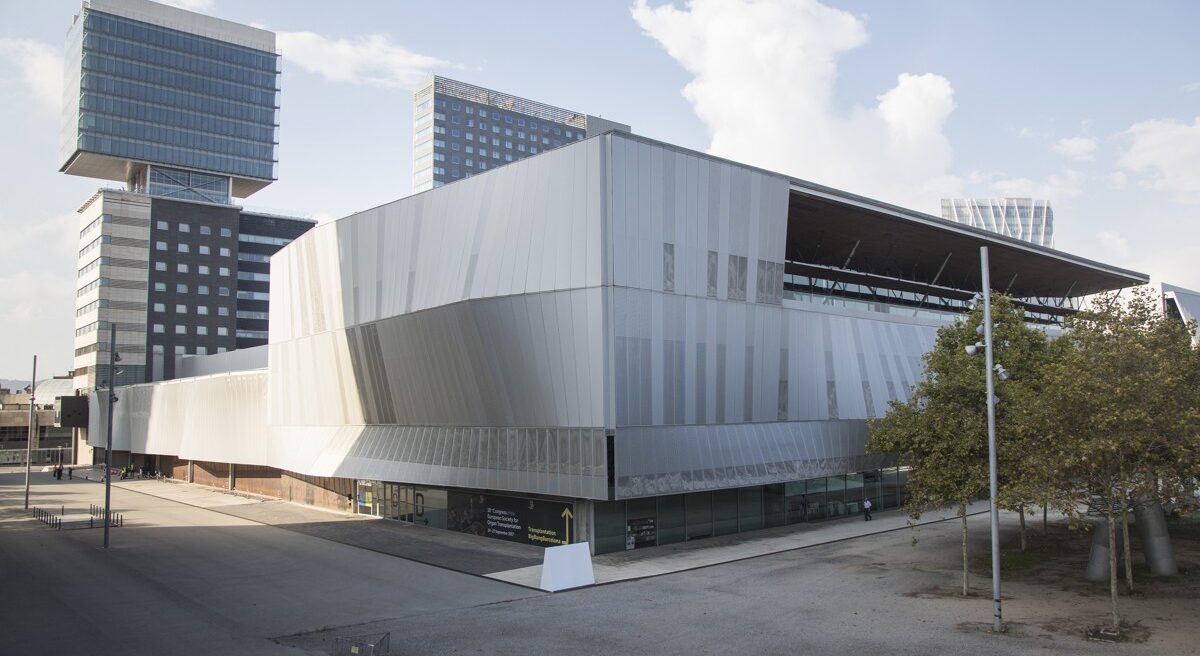
Fira Barcelona Montjuïc
Montjuïc often rewards disciplined simplicity. Buildability, access, and timing discipline matter. Complex builds can create unnecessary risk if approvals are tight.
CCIB
CCIB can be meeting-led depending on the event. Calm, professional meeting flow often outperforms noisy structures.
How to compare exhibition stand builder quotes properly
If you want a fair comparison, don’t compare headline numbers. Compare scope.
A comparable quote should clarify:
- What is included (structure, graphics, flooring, lighting, etc.)
- What is optional (upgrades separated clearly)
- What is assumed (power availability, rigging, AV needs)
- What is excluded (so there are no surprises)
- Timelines for approvals and production
- Installation and dismantle expectations
If any of those are vague, the quote is not comparable.
Cost Guide
If you want a cost explanation written plainly
Directional estimate
If you want a fast directional range before requesting quotes
Custom vs modular vs hybrid vs bespoke:
picking the right build strategy
A stand type is not a style preference. It is a delivery strategy.
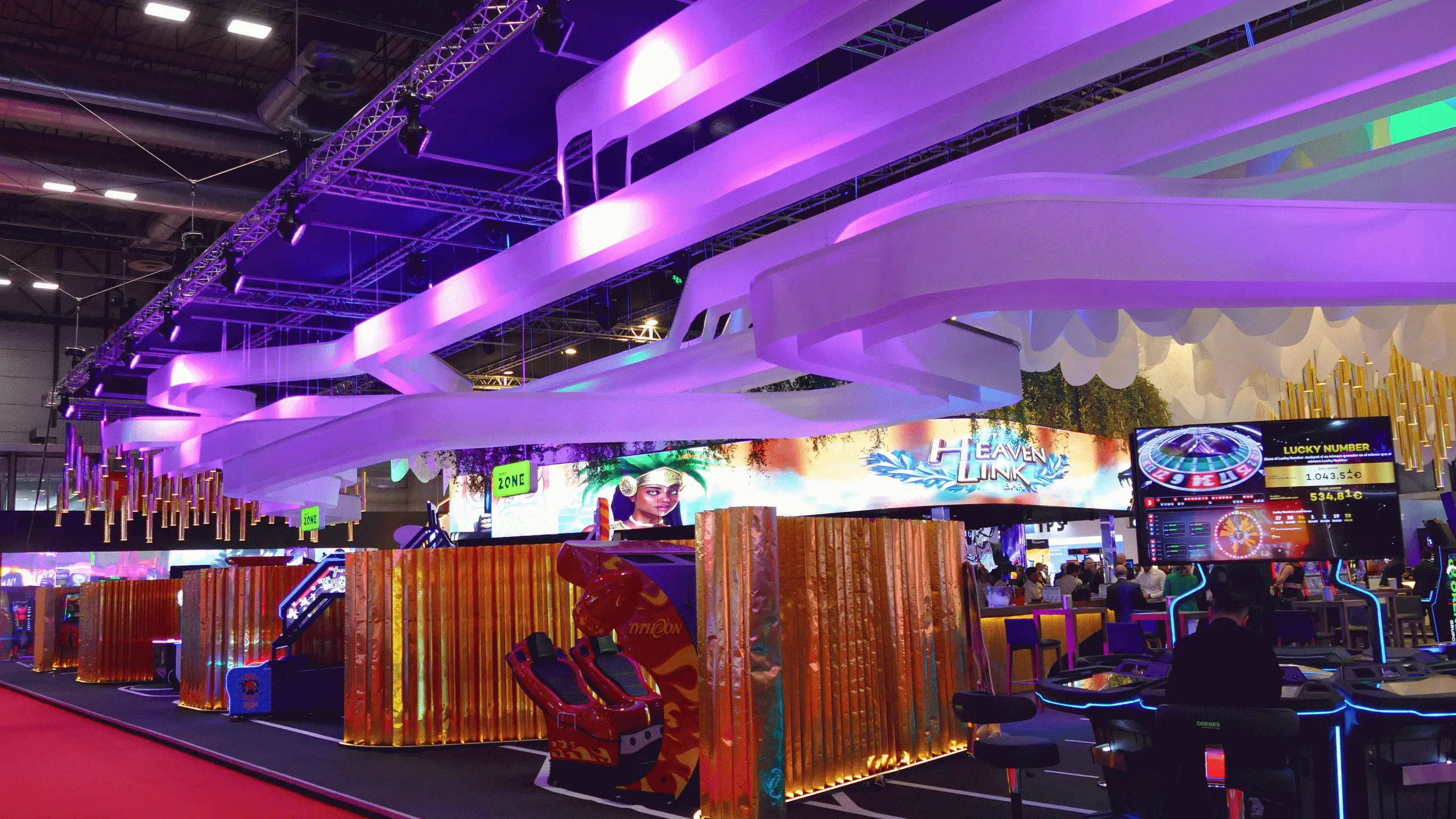
Custom is best when differentiation changes behaviour. It requires discipline: custom should be selective, not complex for the sake of it.
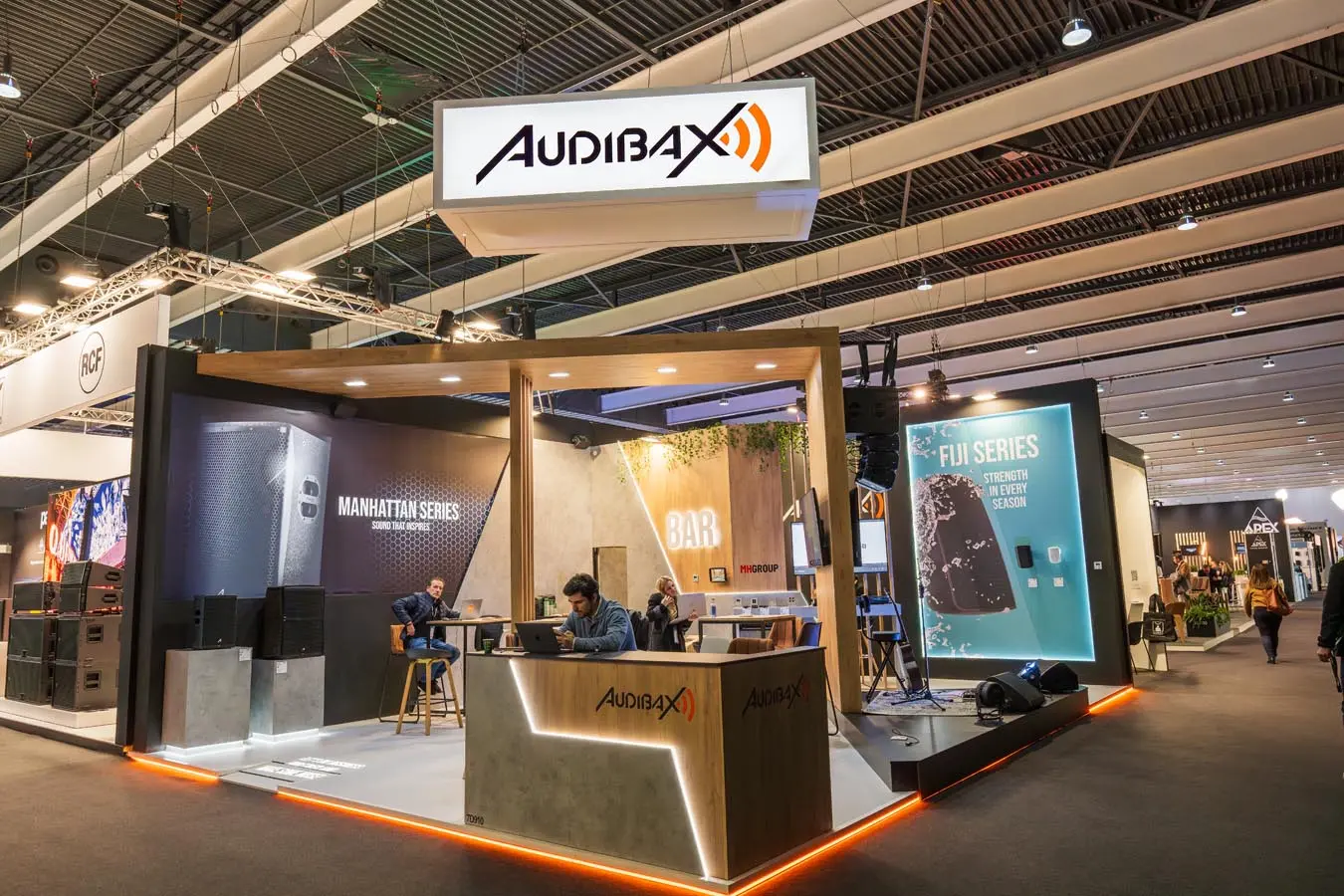
Modular is best for speed, predictability, and repeatability. Modular can still feel premium if messaging and lighting are designed properly.
Hybrid is the modern default for many smart exhibitors: modular stability plus one custom signature element that creates impact and improves conversion without creating chaos.
Bespoke is flagship and perception-led. It’s not “more,” it’s sharper: architecture with a clear commercial role.
Hire is a strong choice when time is tight and you want controlled scope, but it still needs design thinking to avoid looking generic.
What we need to give you a quote that doesn’t drift
If you want a quote that stays stable, send the basics. You don’t need a long document.
You need the decisions that shape scope.
What we need
- event name + dates
- venue (Gran Via / Montjuïc / CCIB)
- stand size (m²) and footprint if known (e.g., 10×5)
- open sides (1 / 2 / 3 / 4)
- primary objective (leads / demos / meetings)
- must-haves (AV, storage, meeting space, product display)
- deadline for design approval
You can also use the brief template:
Phone: +34 609 70 92 56
FAQs:
Frequently Asked Questions
We work with a delivery mindset. Many projects start with stand design and scope clarity, then move into build coordination so the final result is operable and controlled.
Event, venue, size/m², footprint if known, open sides, objective, must-haves and your approval deadline. The clearer the scope, the more reliable the quote.
Inclusions, finishing assumptions, technical planning, and risk pricing. Without a consistent brief and written inclusions/exclusions, quotes are not comparable
The terms overlap. What matters is whether someone owns scope clarity, technical planning and delivery sequencing instead of leaving gaps that become last-minute surprises.
Yes. We plan around venue realities, traffic intensity and technical needs so the stand performs on the floor.
Yes. We can stress-test it for flow, buildability and scope clarity, then recommend practical adjustments.
Modular or hybrid is often lower risk when approvals are tight. Custom can work well if scope is disciplined early.
Late changes, unclear inclusions, and technical needs discovered late (power, AV, lighting, rigging).
Flow planning by open sides, clear entry/exit logic, and placing demo/capture zones so they don’t block the aisle.
Yes. Meeting-first stands need calm usable zones, but they still need an inviting hook and a clear flow so inbound interest doesn’t die.
Yes. “Stand” and “booth” are often the same intent. We align terminology so the brief stays clear.
We can work from m² and a footprint range, then refine once the organiser confirms the plan and open sides.
Venue affects flow, meeting behaviour and technical planning. Start with /venues/barcelona/ and share your event details.
Use /stand-price-calculator-barcelona/ for a directional range, then request a quote with a consistent brief.
Use /contact/ with your event, venue, size, open sides and objective, or call +34 609 70 92 56.