Double deck exhibition stands in Barcelona
when meeting capacity
is the real objective

A double deck stand is not a design trend. It's an operational decision.
You choose a double deck exhibition stand in Barcelona when a single level cannot carry what the event demands: too many meetings, too much noise, too much pressure to host serious conversations without losing inbound traffic on the aisle.
When double deck is done well, the difference is obvious:
- the ground floor stays open and inviting
- meetings happen in a calmer, more professional environment
- your team stops improvising private conversations in noisy corners
- the stand feels confident, not crowded
When double deck is done badly, it becomes the most expensive kind of wasted space: a second level that nobody uses, a ground floor that feels closed, and a stand that looks impressive but converts poorly because people don’t know how to enter or what to do next.
At Stands.Barcelona, we design double deck stands as a two-level conversion system. The goal is not “more structure.” The goal is a stand that supports how your team actually sells: attract, qualify, meet, and leave the show with outcomes that justify the footprint.
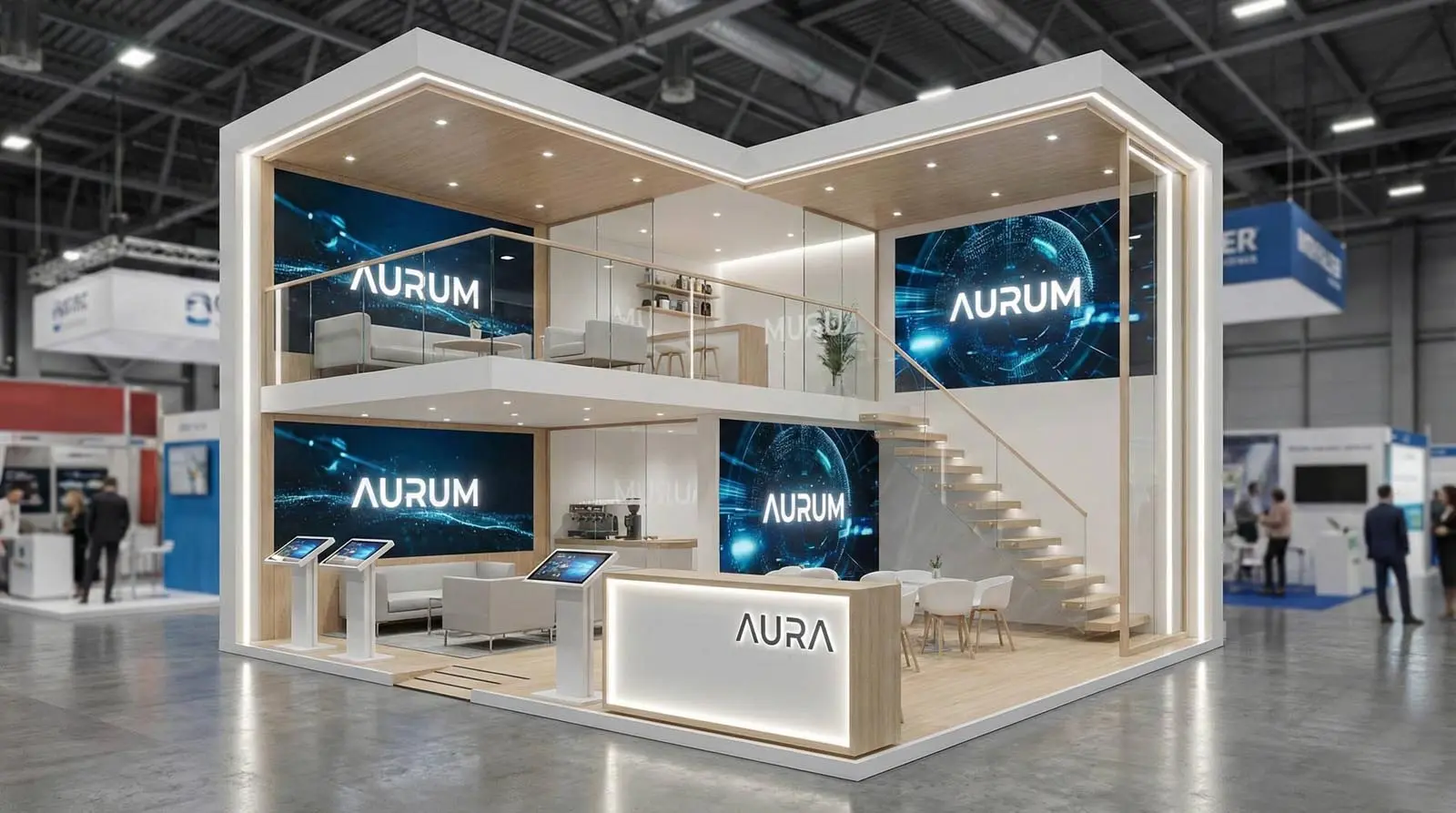
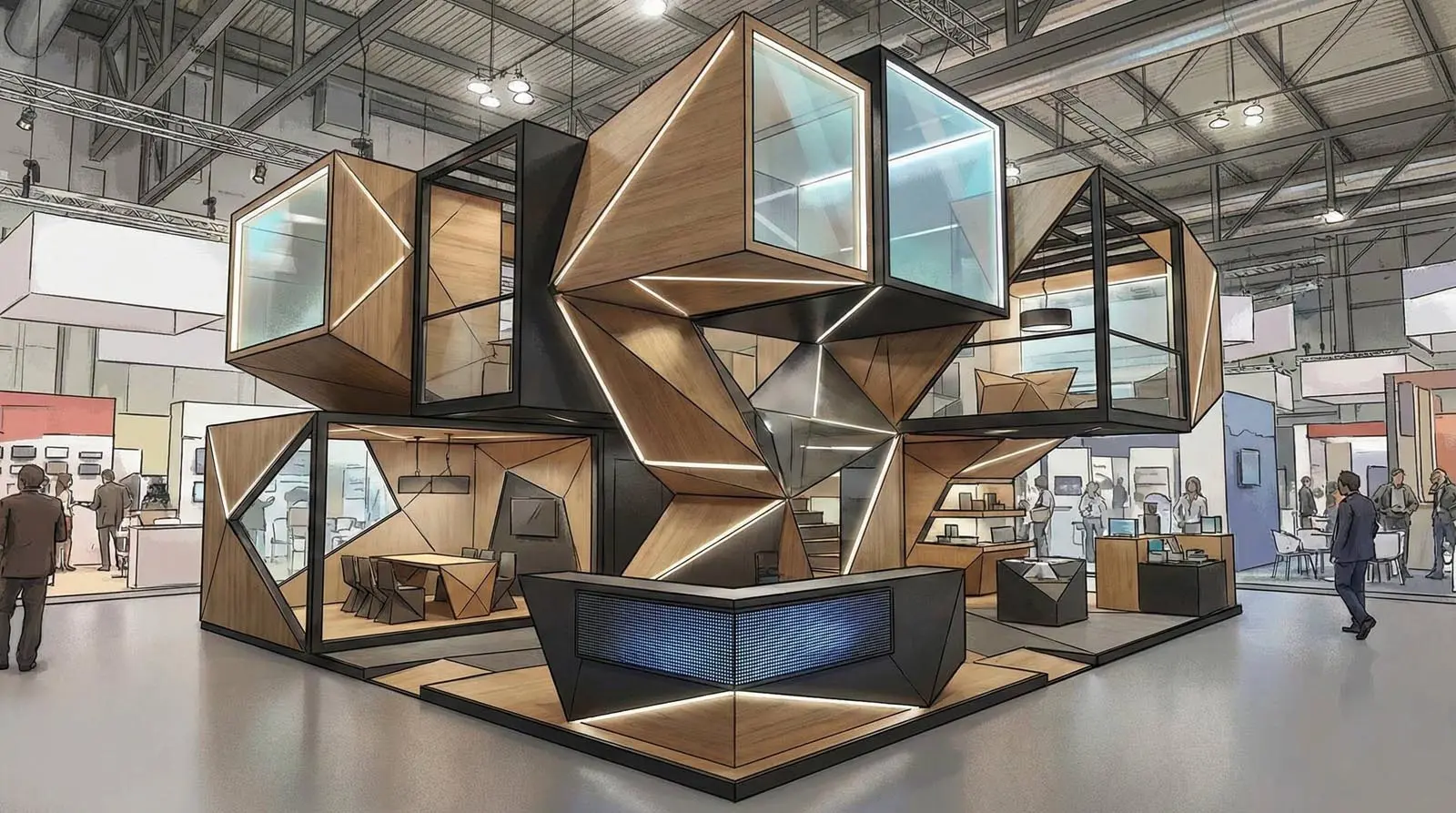
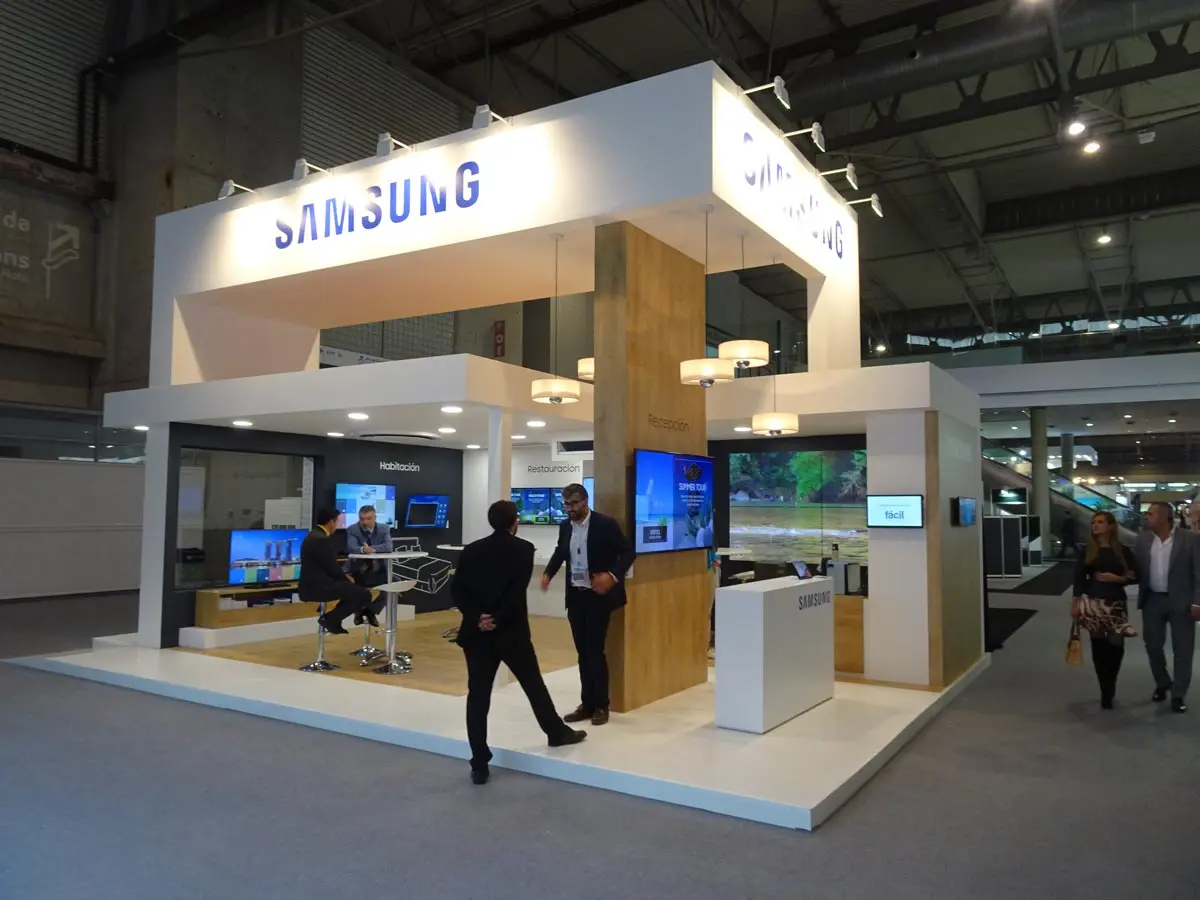
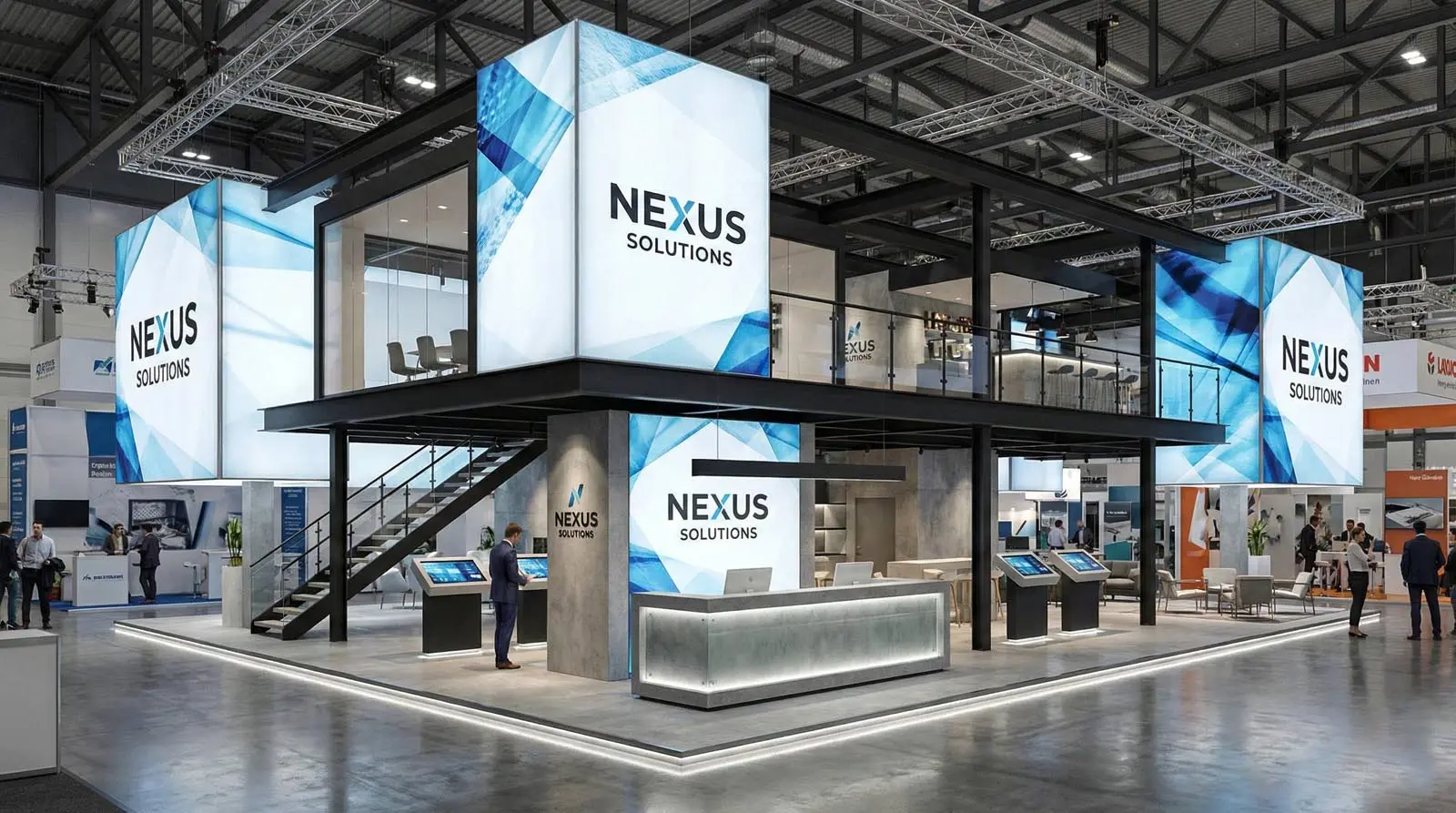
What is a double deck exhibition stand in practice?
A double deck stand (two-storey stand) adds a second level to create additional usable space, typically for:
- private or semi-private meetings
- partner discussions
- hospitality and hosting
- VIP conversations
- staff support space (depending on project needs)
But the second level is not the “stand.” The stand is the whole system. The ground floor still does the heavy lifting of:
- attracting the right visitors
- communicating what you do quickly
- showing proof (demo, product, case, metrics)
- creating the next step (capture, booking, meeting request)
If the ground floor fails, the second level won’t save you. It will just be quieter up there while the stand underperforms down below.
That’s why we treat double deck as a discipline: two levels, one purpose, one clear visitor journey.
When a double deck stand is worth it (and when it isn't)
Double deck makes the most sense when meeting demand is real, predictable, and valuable.
A double deck stand is usually a strong fit if:
- you have a heavy meeting schedule (or strong expectation of one)
- your sales cycle benefits from privacy and longer conversations
- you host partners, enterprise clients, distributors, or VIP stakeholders
- you want the ground floor to remain open for inbound traffic while meetings run above
- you need more meeting capacity than a single level can provide without closing the stand
Double deck is often not worth it if:
- your primary objective is high-volume lead capture
- your team doesn’t have a system for qualifying visitors into meetings
- meetings are “nice to have” rather than the main value
- you’re doing a lightweight demo and quick conversations
- approvals and planning time are too short to design properly
If your goal is impact plus controlled scope without the full complexity, hybrid may be a better fit:
If your goal is lead generation with speed and predictability, modular may perform better:
The new-school rule for double deck: the ground floor must stay open
The fastest way to make a double deck stand fail is to treat the ground floor like a lobby for the upstairs.
Visitors do not want to feel like they are interrupting something. If the ground floor looks closed, corporate, or guarded, most people won’t enter. They’ll assume it’s “not for them,” even if they are exactly the right prospect.
A ground floor that converts has:
- a clear invitation edge (it’s obvious where to enter)
- an obvious reason to stop (one clear headline + one proof moment)
- a natural conversation zone (staff can engage without blocking flow)
- a next step (capture or meeting request) that doesn’t feel like paperwork
- operational planning that keeps the stand clean during peak hours
The upstairs is where you deepen the relationship. The ground floor is where you earn it.
Meetings upstairs:
usable beats impressive
Many double deck stands look dramatic but feel uncomfortable in meetings. That’s a design failure.
A meeting level should be:
- calm enough for serious conversation
- comfortable enough to stay for 20-40 minutes
- usable for multiple meeting types (sales, partner, internal)
- operationally supported (so staff can manage transitions)
- designed so clients don’t feel “exposed” or rushed
Privacy is a spectrum. Some meetings need full privacy. Others only need distance from noise. The best double deck stands design this intentionally instead of using walls everywhere.
And the meeting level must be connected to a real system: scheduling, qualification, and a reason to invite someone upstairs. If you have no way to decide who goes upstairs, the second level becomes inconsistent or empty.
Visitor journey:
stop, understand, believe, qualify, meet
Double deck stands often fail because the visitor journey is not defined. People walk in, glance around, and leave.
Stop
An anchor element that attracts attentio
Understand
A headline that explains what you do fast
Believe
A proof moment visible from the aisle
Qualify
A short conversation that sorts “curious” from “serious”
Meet
The right people go upstairs, the rest get a clean next step
This is not "salesy." It's respectful. It prevents your team from spending meeting time on unqualified conversations and it prevents visitors from feeling lost.
Double deck by objective:
meeting-first, demo-first, lead-first
Double deck is usually meeting-first, but many brands need additional objectives.
Meeting-first double deck stands
This is the classic use case: high-value conversations are the product.
- the ground floor stays open for inbound approach
- visitors are qualified quickly
- the meeting level is calm and usable
- the stand feels confident, not guarded
Demo-first double deck stands
Demo-first double deck can work when the demo drives inbound traffic and the upstairs converts interest into serious conversations.
- demo visibility must be planned so crowds don’t block entry
- technical planning must be early (power/AV)
- the demo must lead naturally to qualification and meetings
If your demo is the main driver, your ground floor must be designed around it, not around furniture.
Lead-first double deck stands
Lead-first with double deck can work, but it often creates waste unless meeting demand is real.
If lead volume is the primary metric, consider whether a clean single-level lead-first layout might perform better:
Open sides and footprint:
the practical details that decide feasibility
Two stands can have the same square metres and behave very differently depending on open sides and footprint shape.
- One open side: ensure the entrance doesn’t feel gated; stairs placement is critical.
- Corner: strong visibility, but flow can become chaotic without lanes.
- Peninsula: excellent potential; define entry/exit and avoid congestion near stairs.
- Island: 360° presence; requires coherent messaging and careful positioning of vertical elements.
Footprint also matters because a double deck stand needs both:
- An inviting ground floor with a clear journey
- Stairs that do not dominate the space or block flow
Browse footprint logic and layout thinking here:
Available sizes include:
3×3, 3×4, 3×5, 3×6, 3×7, 3×8, 3×9, 3×10, 5×5, 8×5, 10×5, 10×10, 15×10, 20×10.
Double deck is not automatically “only for huge stands,” but feasibility and comfort improve with adequate footprint. The decision should be driven by meeting demand, not ego.
Venue-aware double deck planning in Barcelona
(Gran Via, Montjuïc, CCIB)
Double deck projects amplify everything that can go wrong when planning is loose. Venue awareness is not optional.
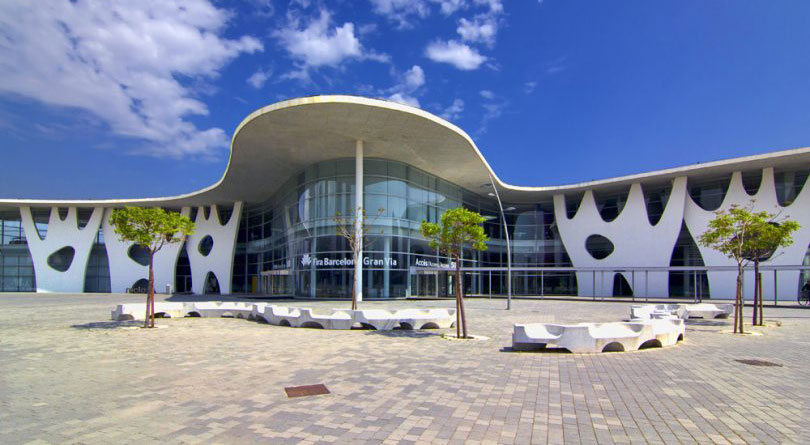
Fira Barcelona Gran Via
Gran Via is intense and competitive. Double deck can be powerful here if:
- ground floor remains inviting under heavy traffic
- visibility is designed for long sightlines
- demo crowds are controlled (if demos exist)
- operational planning keeps the stand premium all week
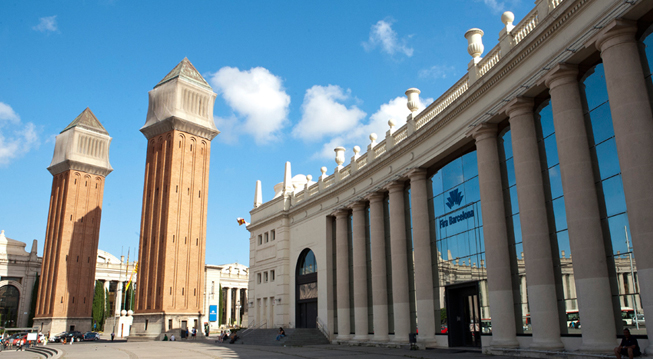
Fira Barcelona Montjuïc
Montjuïc often rewards disciplined buildability and simplicity. Double deck can work, but the best projects are the ones that avoid overbuilding and keep the journey clear.
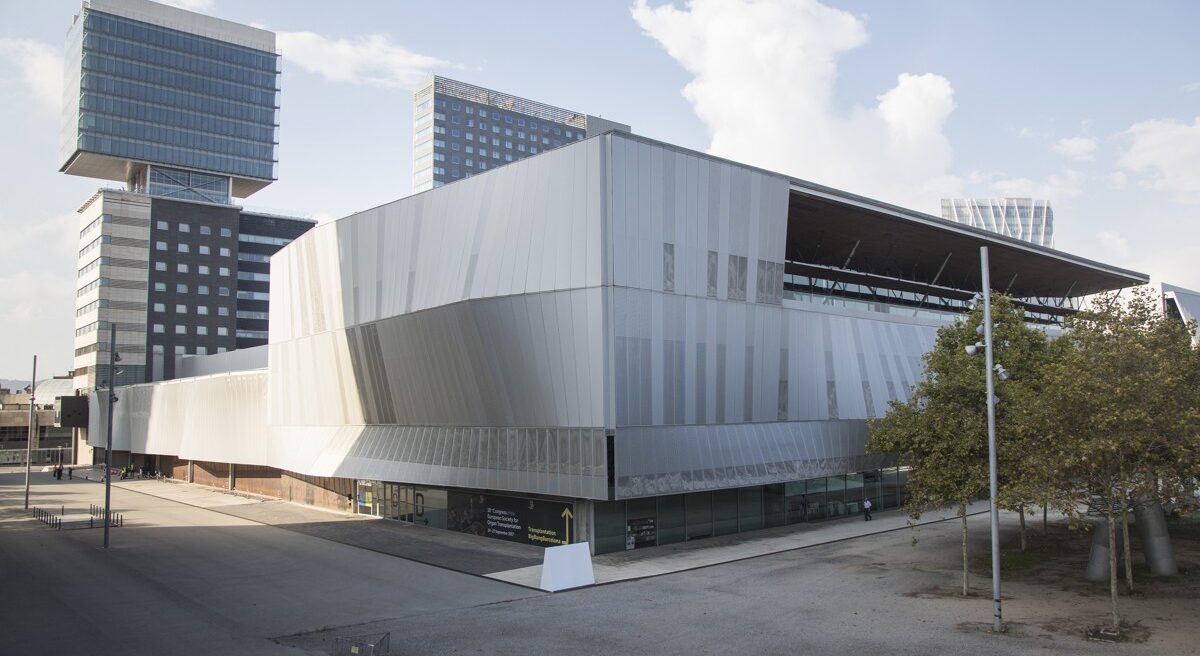
CCIB
CCIB can be meeting-led depending on the event. Double deck can create a strong professional environment when the stand remains open and approachable.
Cost control:
double deck is expensive when scope is unclear
Double deck projects feel expensive when the planning is not disciplined. The real cost driver is not “two levels.” It’s late changes and unclear inclusions.
To control cost:
- lock the objective early (why double deck?)
- define meeting capacity needs (how many, how long)
- separate must-haves from optional upgrades
- plan technical needs early (power/AV/lighting)
- document inclusions/exclusions clearly
- avoid last-minute design changes that force rework
If you want a calmer alternative with strong meeting capability, consider a meeting-first hybrid:
Cost Guide
If you want a cost explanation written plainly
Directional estimate
If you want a fast directional range before requesting quotes
The brief that makes double deck quotes comparable
If you ask five suppliers for a double deck quote without a consistent brief, you will receive five numbers that mean five different things.
Send this instead:
- event name + dates
- venue (Gran Via / Montjuïc / CCIB)
- stand size (m²) and footprint if known (e.g., 10×5)
- open sides (1 / 2 / 3 / 4)
- primary objective (leads / demos / meetings)
- must-haves (AV, storage, meeting space, product display)
- deadline for design approval
You can also use the brief template:
Phone: +34 609 70 92 56
FAQs:
Frequently Asked Questions
A two-storey stand designed to add usable space, typically for meetings or hospitality, while the ground floor remains open for attraction, proof and qualification.
When meeting demand is real and valuable, and you need capacity without closing the stand on the ground floor.
Not automatically. Conversion depends on ground-floor clarity and flow, plus a real system to qualify visitors into meetings upstairs.
Making the ground floor feel closed or using the second level without a meeting system. If meetings aren’t scheduled or qualified, the second level becomes dead space.
Yes, and it can be powerful there, but it requires disciplined flow design, visibility thinking and early technical planning.
Yes, usually on the ground floor. The demo must be planned for visibility and crowd control so it doesn’t block entry or the aisle.
By designing an obvious invitation edge, protecting entry lanes, placing stairs strategically, and ensuring proof and messaging are visible from the aisle.
It depends on objective, meeting capacity needs, and open sides. Feasibility improves with adequate footprint and a clear flow plan.
It increases planning complexity. Power, lighting, and any AV needs should be defined early to avoid last-minute issues.
Lock scope early, separate optional upgrades, plan technical needs early, and avoid late design changes.
Yes. The ground floor must still communicate what you do quickly and provide an obvious reason to approach.
Only if meeting demand truly requires it. Many exhibitors are better served by a disciplined meeting-first layout on one level.
Event, venue, footprint/m², open sides, objective, expected meeting volume, must-haves and approval deadline.
Yes. We can work from ranges, then refine once the organiser confirms footprint and open sides.
Send your details via /contact/ or call +34 609 70 92 56.