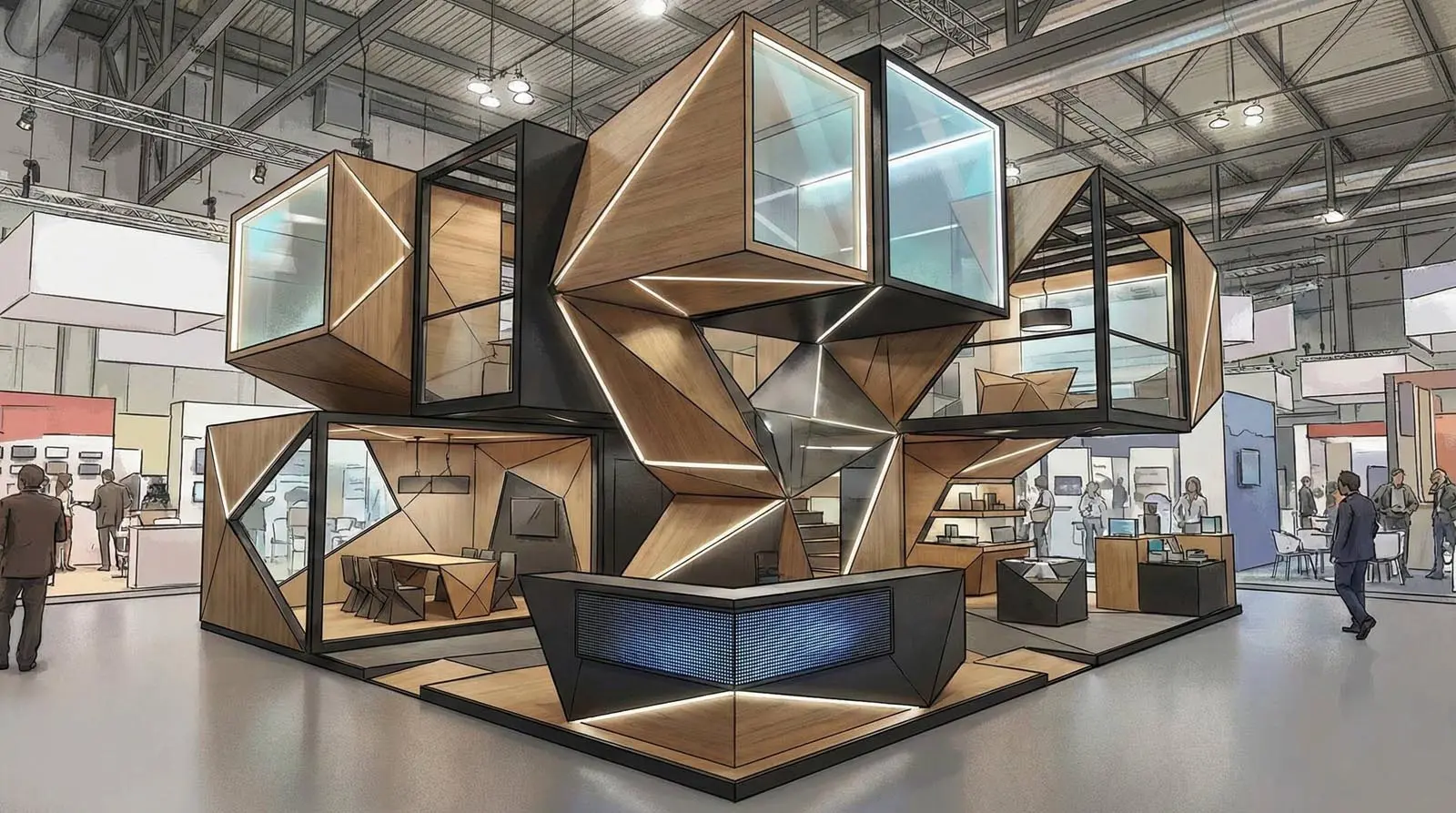
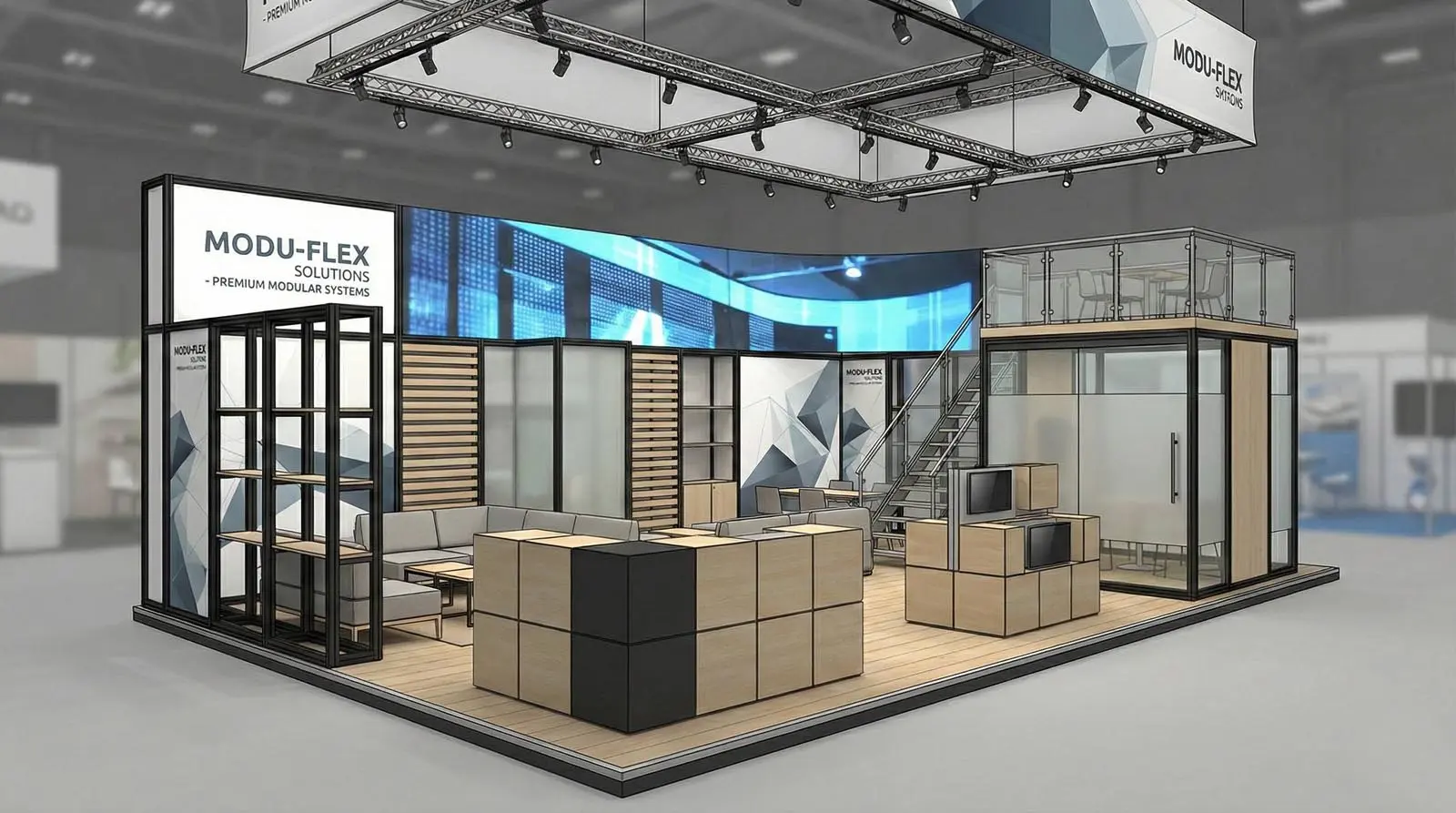
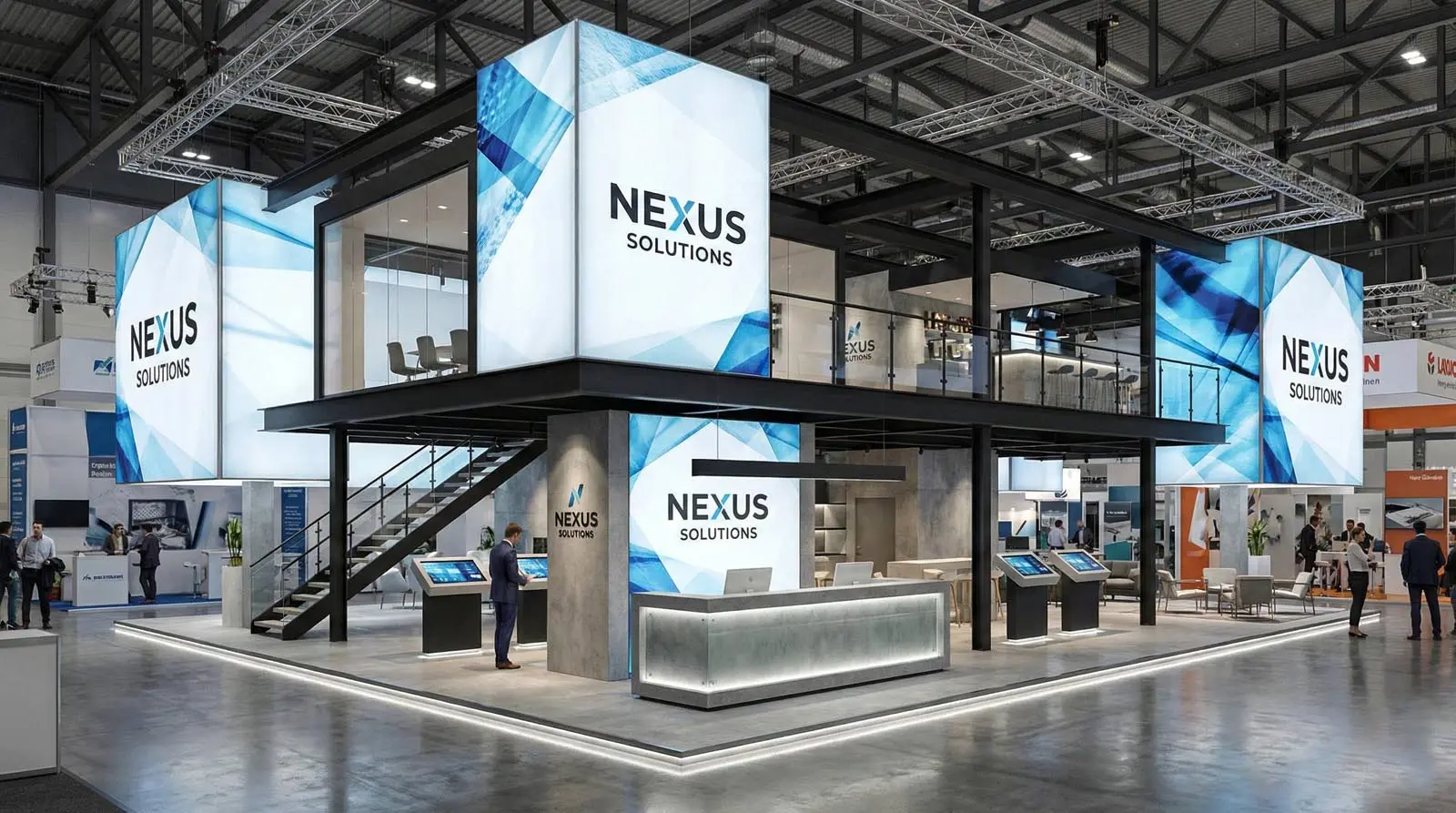
“Custom” is one of those words that sounds obvious until you’re on the show floor and you realise what it should have meant.
Custom should mean your stand fits your reality. Your message. Your sales motion. Your team size. Your product. Your meeting schedule. Your demo needs. The way visitors actually behave in Barcelona when they are moving fast between halls and competing brands.
But many “custom” stands end up being custom in the wrong way: custom complexity, custom stress, custom last-minute decisions. More walls, more features, more ideas, more everything. It looks impressive in a presentation, then it becomes difficult to operate during the event. By day two, the stand is cluttered, the team is improvising, and the stand stops doing its job.
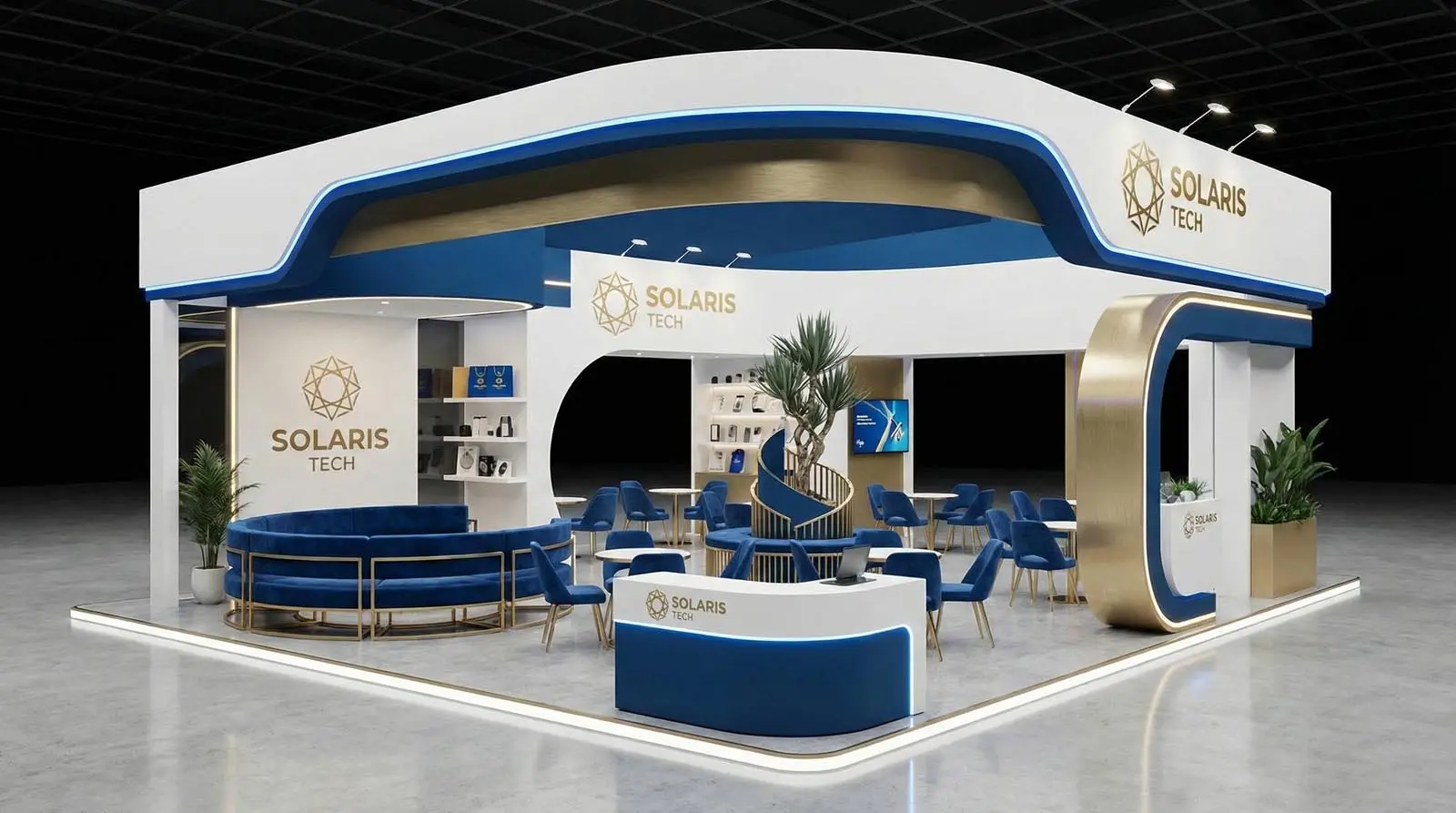
At Stands.Barcelona we approach custom stands with a different mindset: custom as a conversion system. A stand that attracts the right people, makes your offer clear at walking speed, shows proof, and creates a next step your team can repeat all day without friction.
What "custom exhibition stand" should mean in Barcelona
Barcelona trade shows are intense. Visitors walk fast. Attention is expensive. And small design mistakes get punished because traffic is high and the hall is noisy.
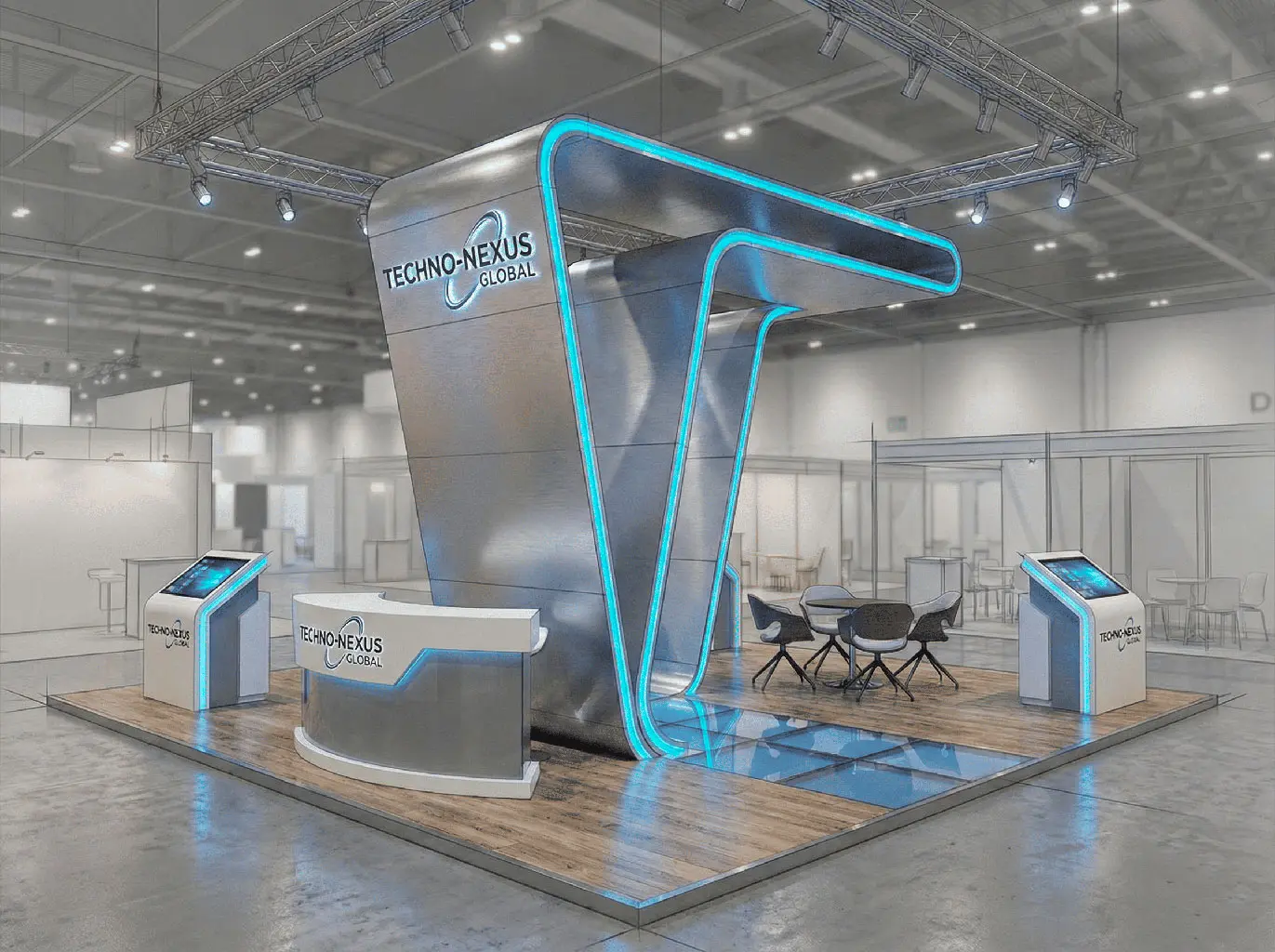
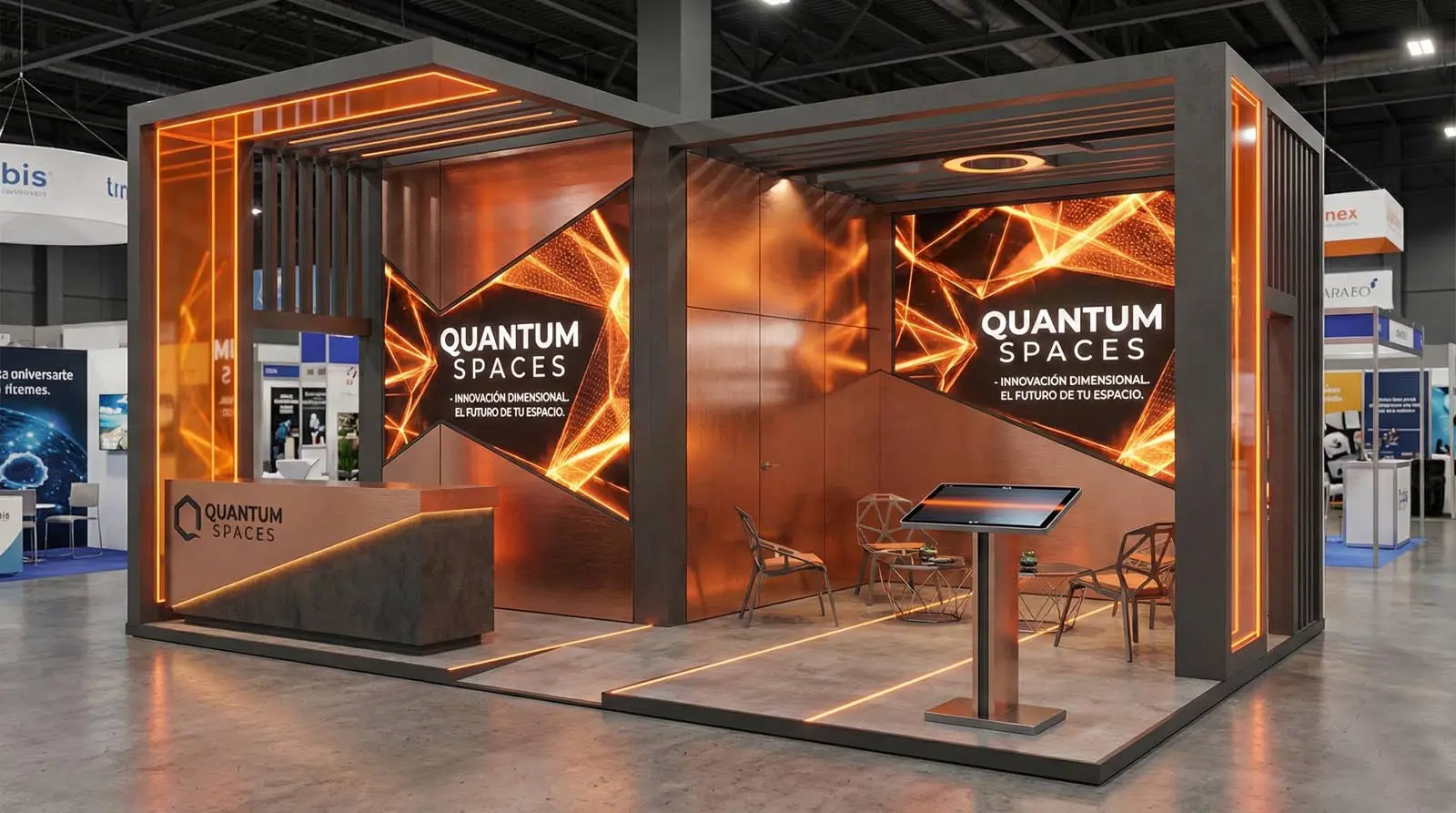
A high-performing custom exhibition stand in Barcelona is not defined by how unique it looks. It’s defined by how well it behaves:
It is readable: people understand what you do quickly.
It is navigable: flow is obvious, entry is inviting, and the stand doesn’t create congestion.
It is believable: proof is visible; you’re not asking visitors to trust a claim.
It is operable: your team can run it for four days without the space fighting them.
It is comparable: the scope is clear enough to quote properly, without surprise add-ons later.
Custom is not a license to add more. Custom is permission to choose better.
Open sides and flow:
the detail that decides whether custom feels premium or stressful
Custom stands often have the freedom to create any structure. That’s exactly why flow matters more, not less.
Open sides shape behaviour:
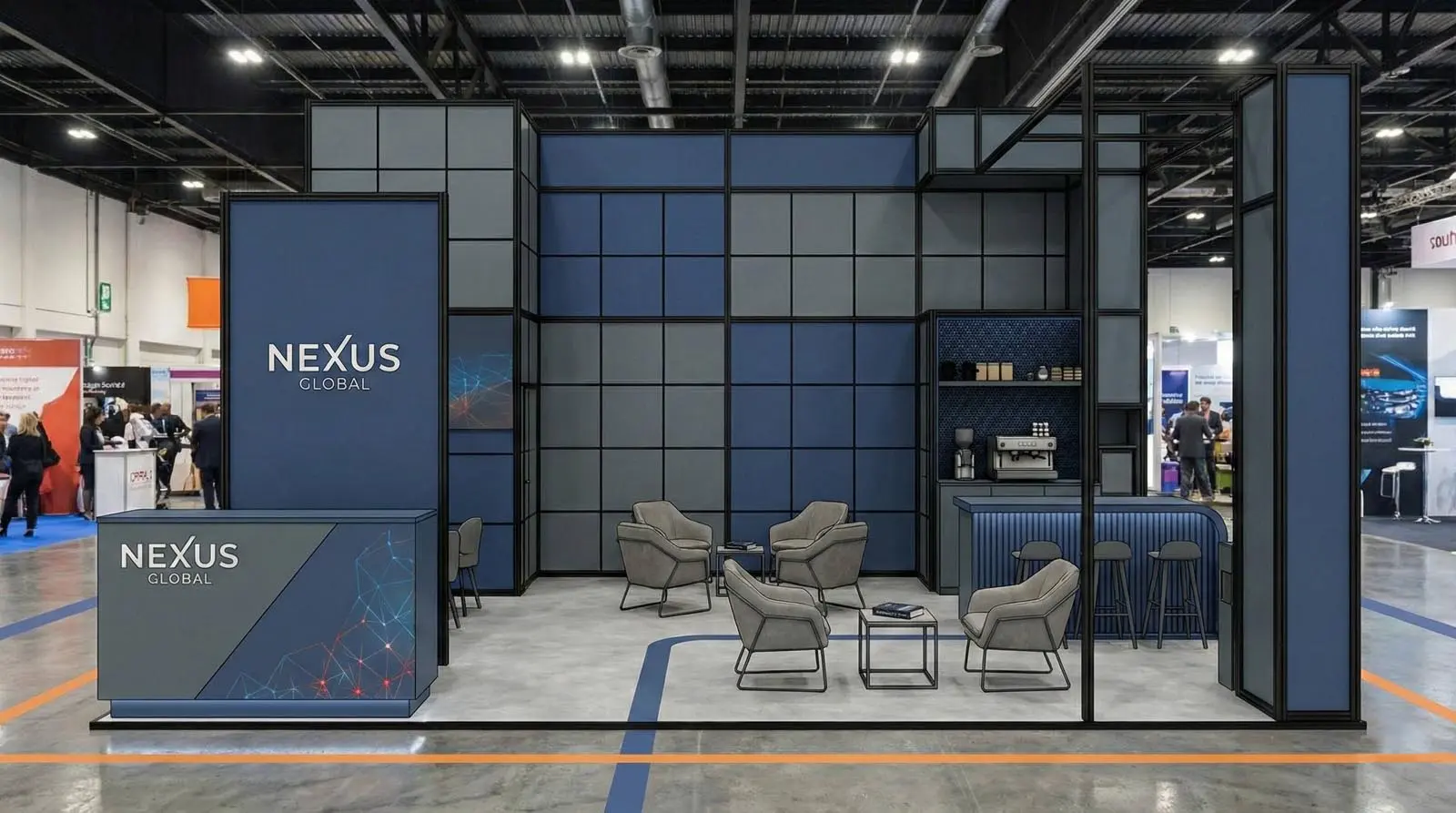
One open side: you must create an invitation without blocking entry. Counters placed wrong here can kill the stand.
Two open sides (corner): you can create a strong engagement edge, but dead corners and confusing entry points are common.
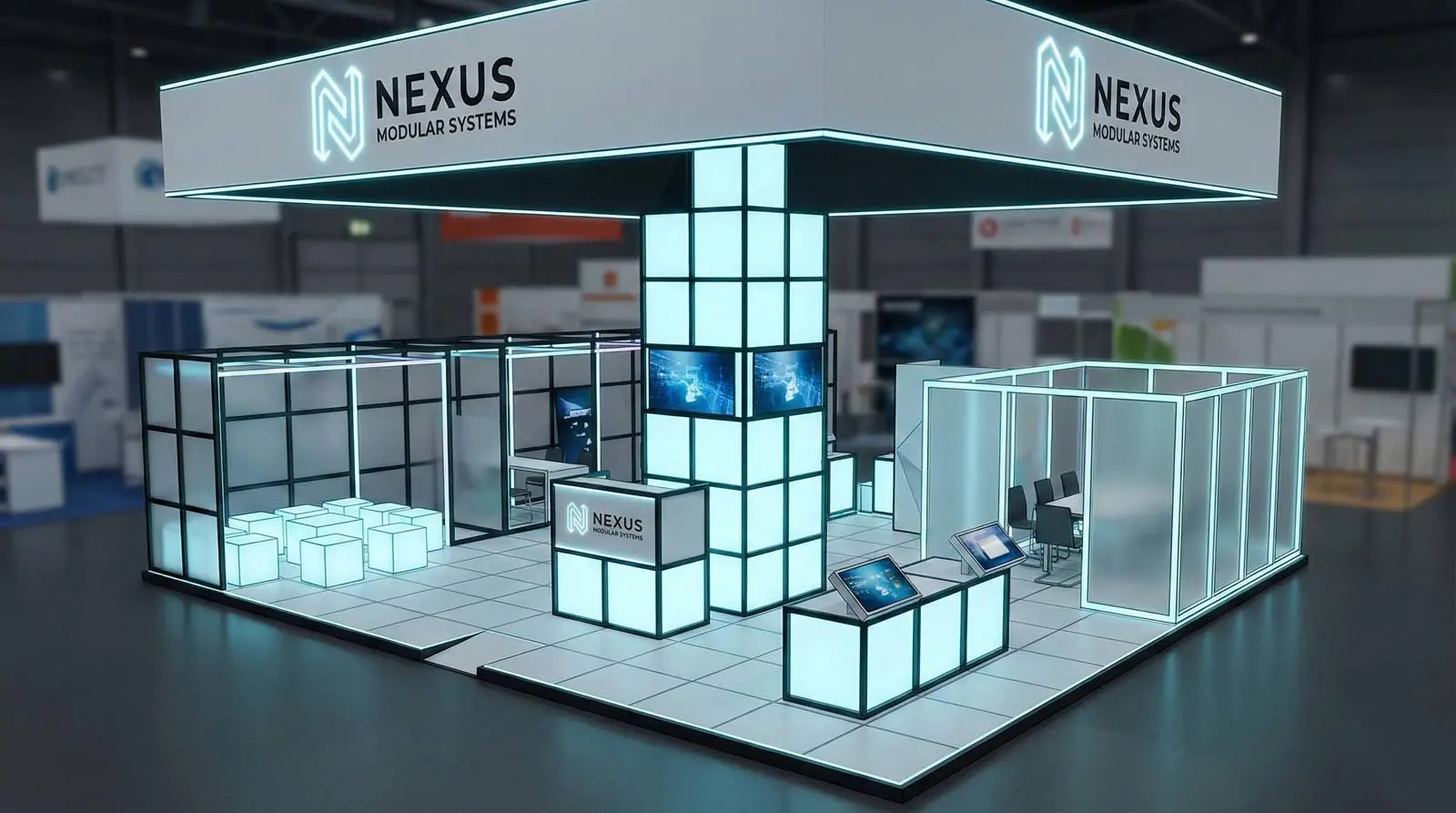
Three open sides (peninsula): powerful visibility, but high chaos risk unless lanes and zones are clear.
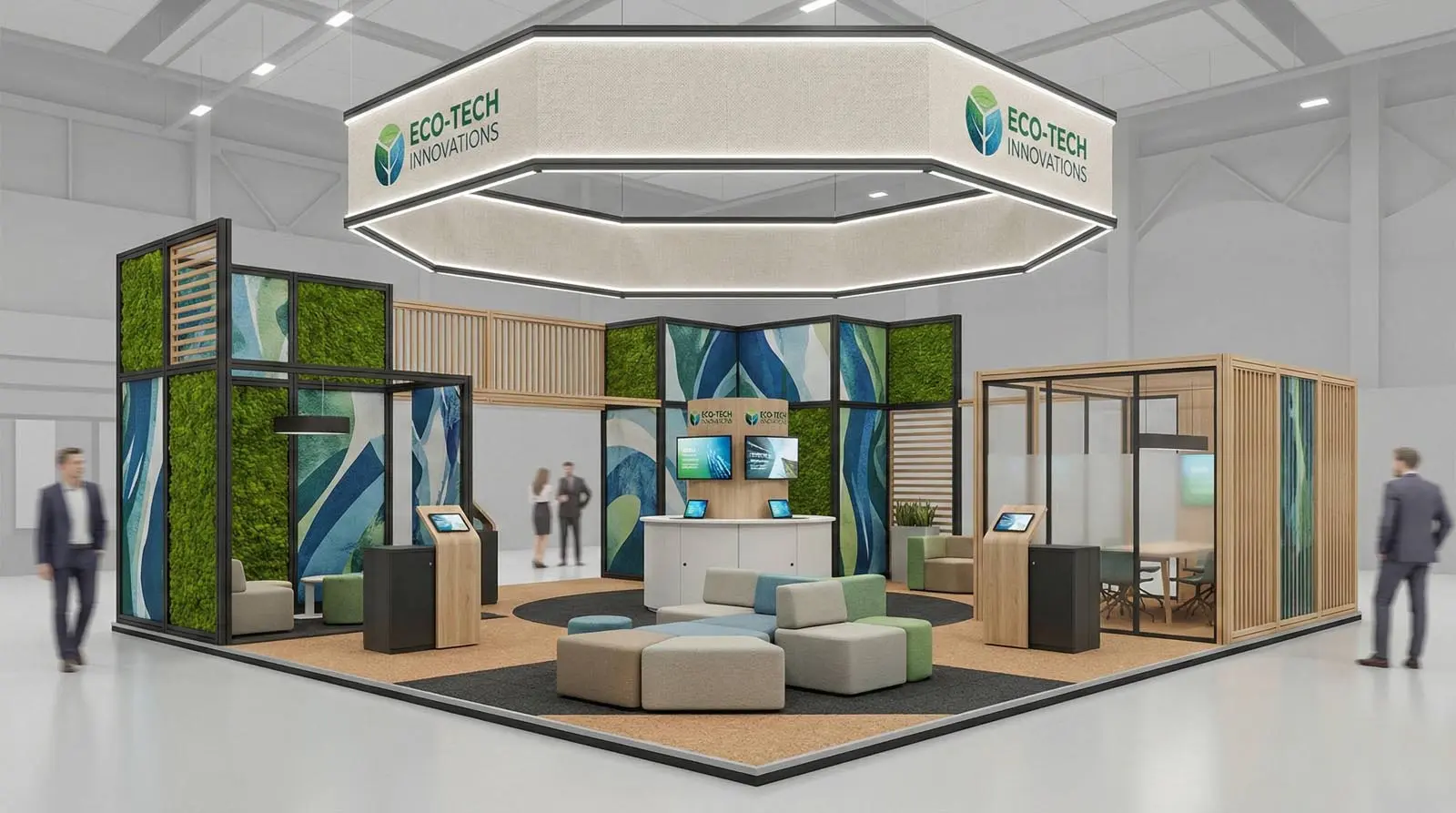
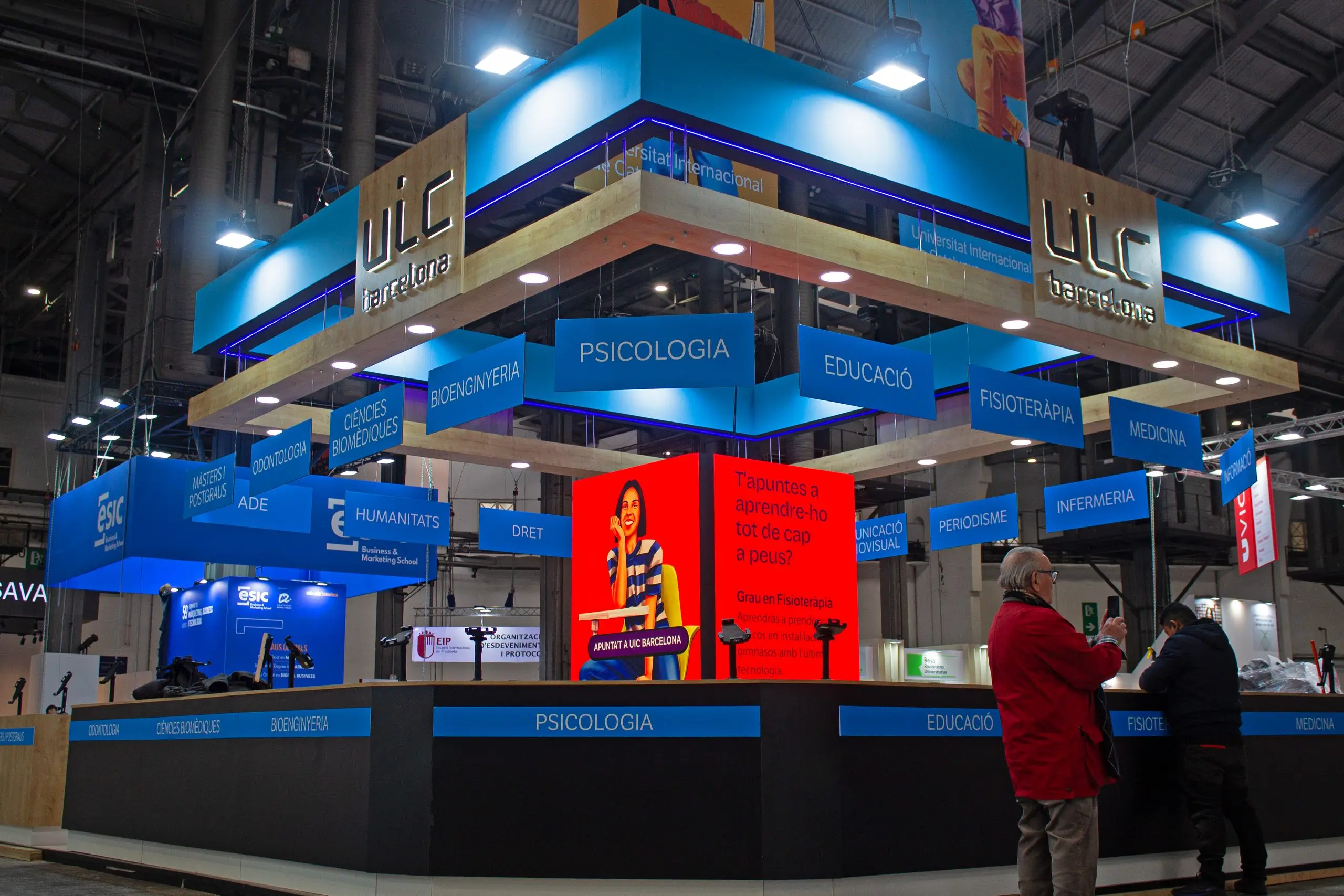
Four open sides (island): the stand must work from every angle; message and proof must be coherent in 360°.
If a custom stand feels “busy,” it’s usually because flow was not designed. In Barcelona, congestion is silent conversion loss. Visitors won’t complain. They’ll just walk away.
Custom vs hybrid vs bespoke:
choosing the right level of complexity
If you’re deciding between stand types, use this logic instead of guessing.
Many teams ask for “custom” when they actually want one of three things:
a branded presence that doesn’t feel generic
a signature element that creates impact
a flagship statement that signals leadership
Those are different needs, and they should produce different stand strategies.
Custom
Best when you need a tailored layout and differentiation, but you still want controlled complexity.
Hybrid
Best when you want modular stability plus one custom signature element that changes behaviour without creating full custom risk. See: /hybrid-exhibition-stands-barcelona/
Custom is a strong choice when you want tailored performance without turning the project into a moving target.
The new-school way to design custom stands: behaviour first
If your stand is designed for a screenshot, it might win a presentation and lose the event.
If your stand is designed for behaviour, it wins the event.
We design custom stands around a visitor journey that your team can repeat:
Stop
Understand
Believe
Take the next step
That journey is the real “design.” The structure is simply the tool that makes the journey happen naturally.
The three custom stand objectives (choose one primary)
Most custom stands fail because they try to do everything at once. A stand can support multiple actions, but it needs one primary objective.
Lead-first custom stands Built for consistent conversations and qualification. The engagement edge is open, the message is simple, and lead capture is frictionless.
Demo-first custom stands Built for proof you can see. Demos are visible from the aisle, crowding is planned, and technical needs are decided early so the demo works under pressure.
Meeting-first custom stands Built for serious conversations. Meeting spaces are calm and usable, but the stand stays inviting so inbound interest doesn’t die.
If you’re not sure which objective should lead, we decide it based on what you need after the show: qualified leads, booked follow-ups, partner discussions, pipeline acceleration, or product adoption conversations.
Stand size and custom design:
make the footprint work harder
Custom does not automatically mean “big.” Custom can be small and still feel premium when it is disciplined.
A "perfect" custom stand that ignores venue constraints becomes expensive later. Venue-aware planning is how you keep custom from turning into last-minute fixes.
The hidden success factor in custom stands:
scope clarity
Custom projects don’t usually go wrong because design was “bad.” They go wrong because scope was unclear.
Unclear scope creates:
quotes that can’t be compared
late technical decisions
budget drift
rushed production choices
stress during build-up
To keep a custom stand controlled, the project must separate:
A custom stand is tailored to your objective, footprint, open sides, and how your team actually works. It is designed as a conversion system, not a generic structure with graphics.
Not always. Modular can outperform when speed, predictability, and repeatability matter most. Custom is best when tailored layout and differentiation improve performance.
Choose custom when you need wider design freedom and tailored zoning. Choose hybrid when you want modular stability plus one custom signature element without a full custom risk profile.
Bespoke is typically flagship and perception-led, architecture with a commercial role. Custom can be objective-led without requiring flagship architecture.
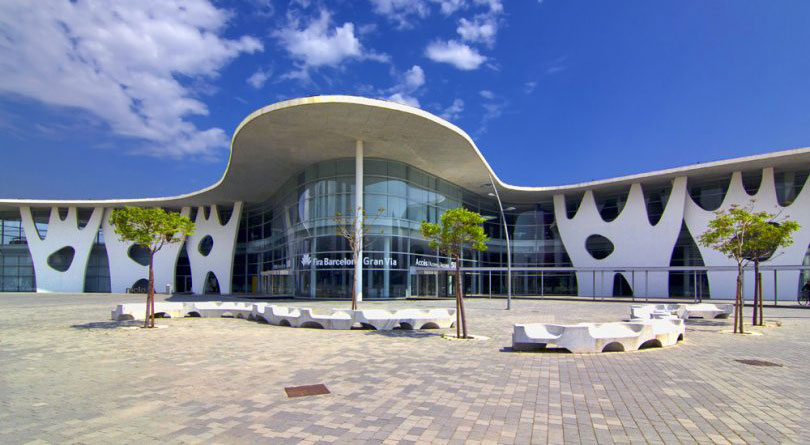
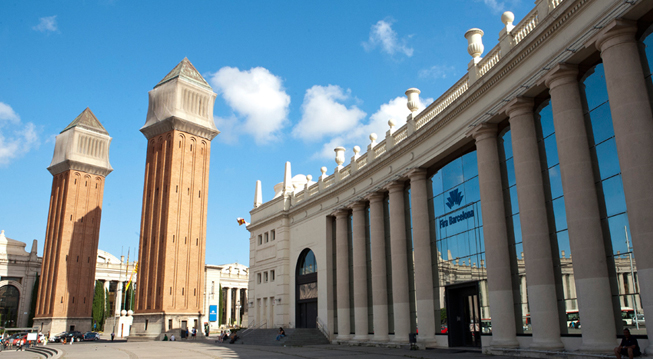
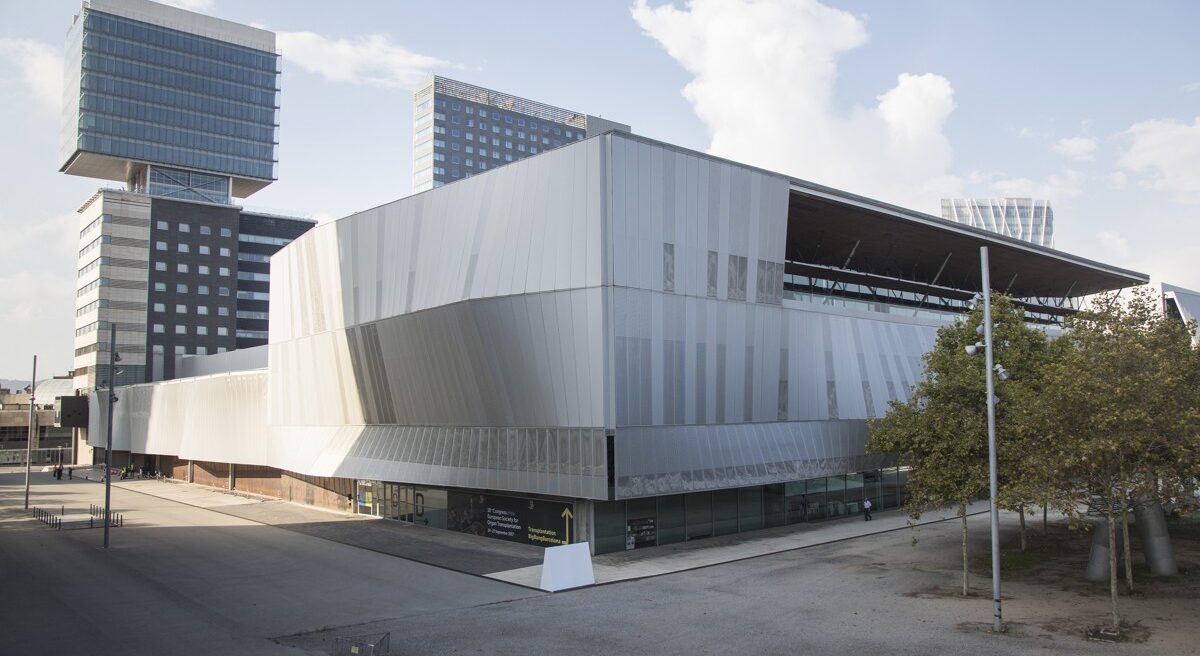
Yes. Gran Via, Montjuïc and CCIB have different traffic and behavioural patterns, plus different practical constraints. Venue-aware planning prevents last-minute problems.
Start with /stand-price-calculator-barcelona/ for a directional range, then use /exhibition-stand-cost-barcelona/ to understand cost drivers before requesting quotes.