Bespoke exhibition stands in Barcelona
for brands that want a flagship presence
with real commercial purpose

There’s a specific kind of pressure that comes with exhibiting in Barcelona when the stand is not “just a stand.” It’s a signal. A statement. The physical proof of how serious your brand is in a room full of serious brands.
That’s where bespoke makes sense.
But bespoke also has a reputation: big ideas, big budgets, big risk. That reputation usually comes from projects where bespoke meant complexity without discipline. More structure, more features, more “wow,” until the stand becomes difficult to run and harder to approve.
At Stands.Barcelona we treat bespoke differently. We treat it as flagship design with a commercial role. Every bespoke decision needs to earn its place by changing behaviour on the floor: attracting the right visitors, making your offer easy to understand, creating proof, protecting meetings, and converting conversations into next steps.
If you’re searching for “bespoke exhibition stands Barcelona,” you are likely looking for one of three outcomes:
- a flagship presence that competes visually and professionally at major Barcelona shows
- a stand that supports high-value meetings without killing inbound interest
- a design and build partner who can keep the project controlled from concept to show day
This page explains what bespoke should mean in practice, how to decide if it’s right for you, and how to request a quote that is comparable and realistic.
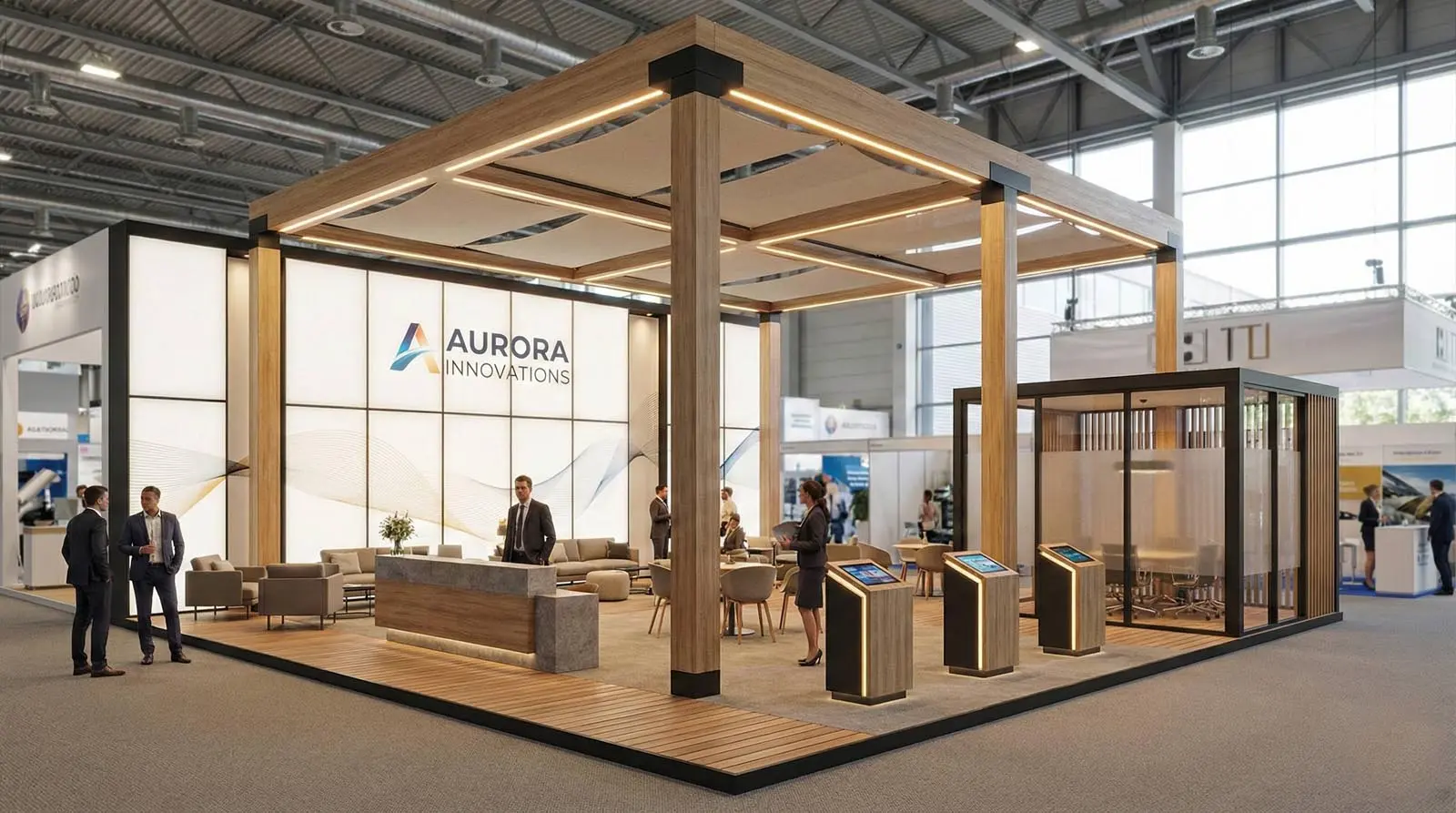
What "bespoke exhibition stand" means in real life
(not marketing)
Bespoke is often used as a synonym for custom. In practice, bespoke is more specific.
A custom stand can be tailored to an objective without necessarily being a flagship architectural statement.
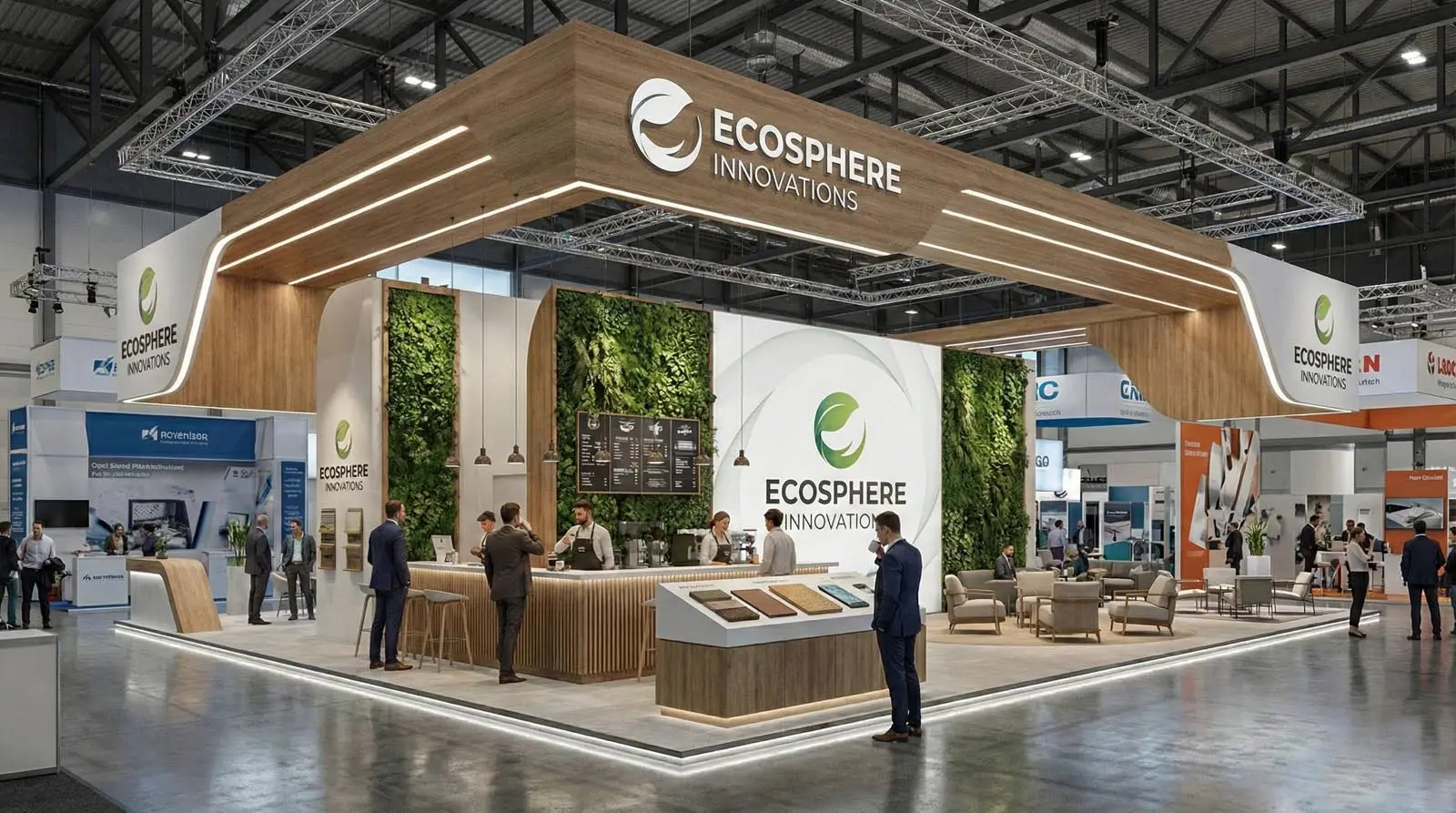
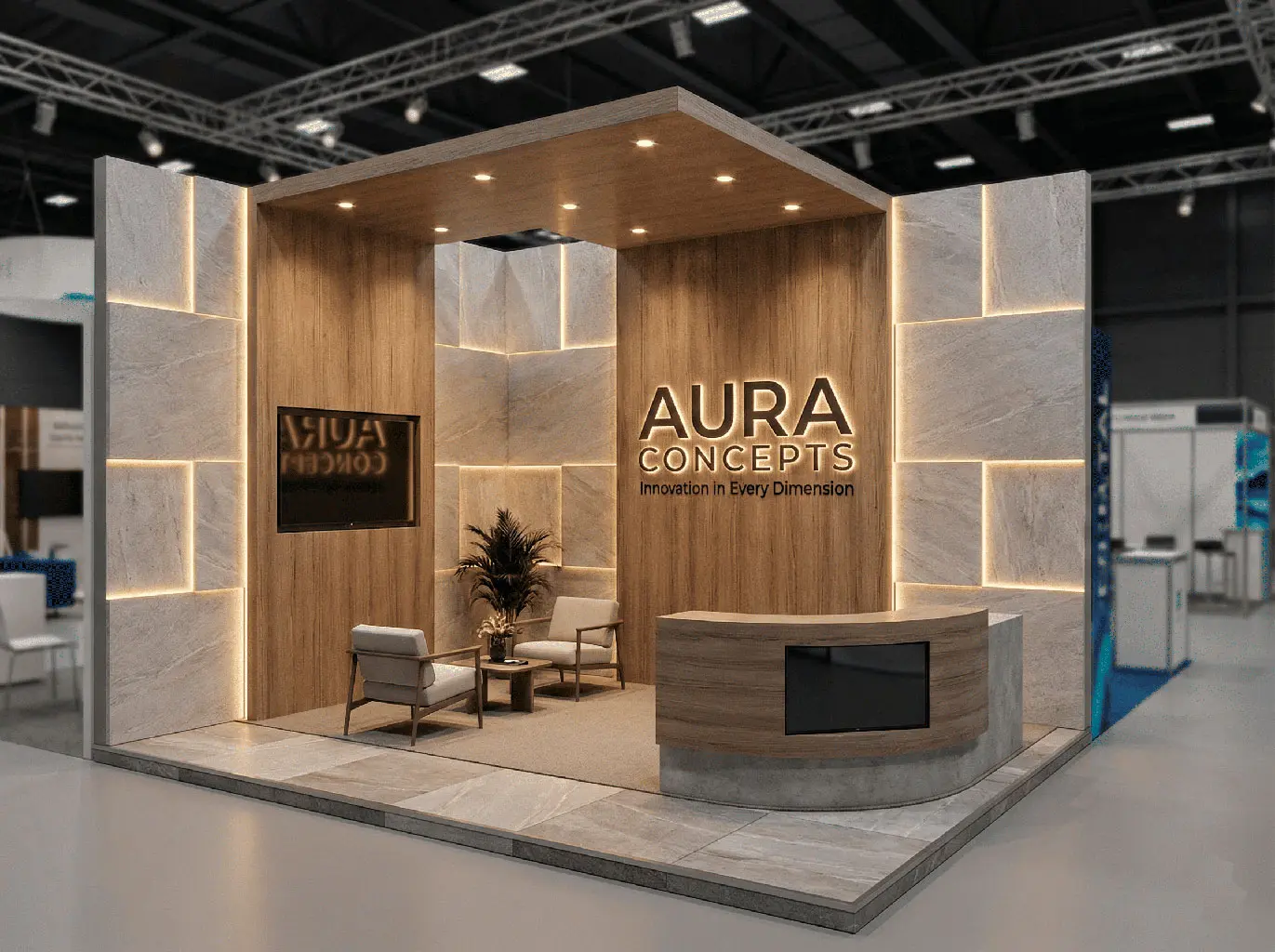
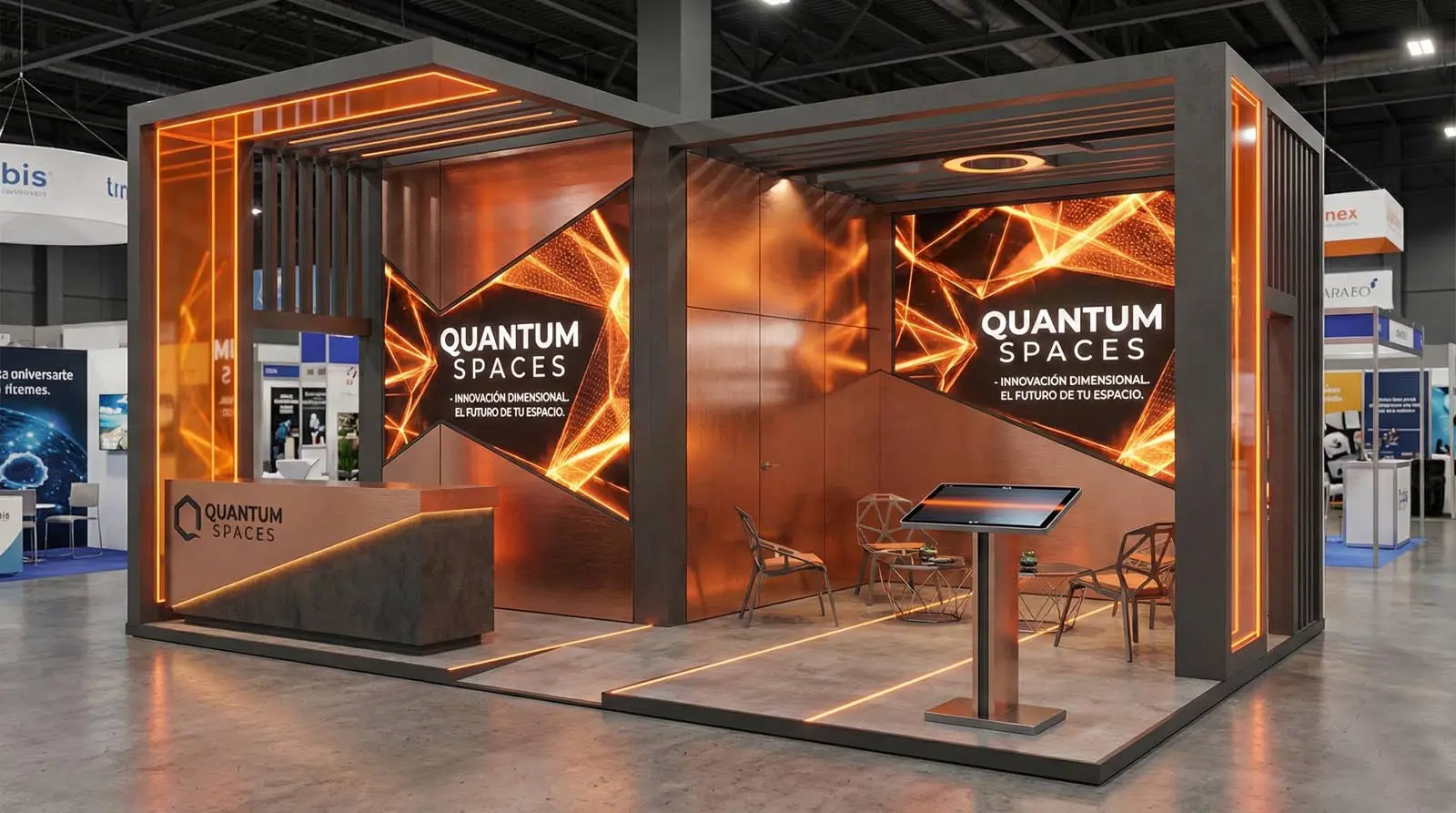
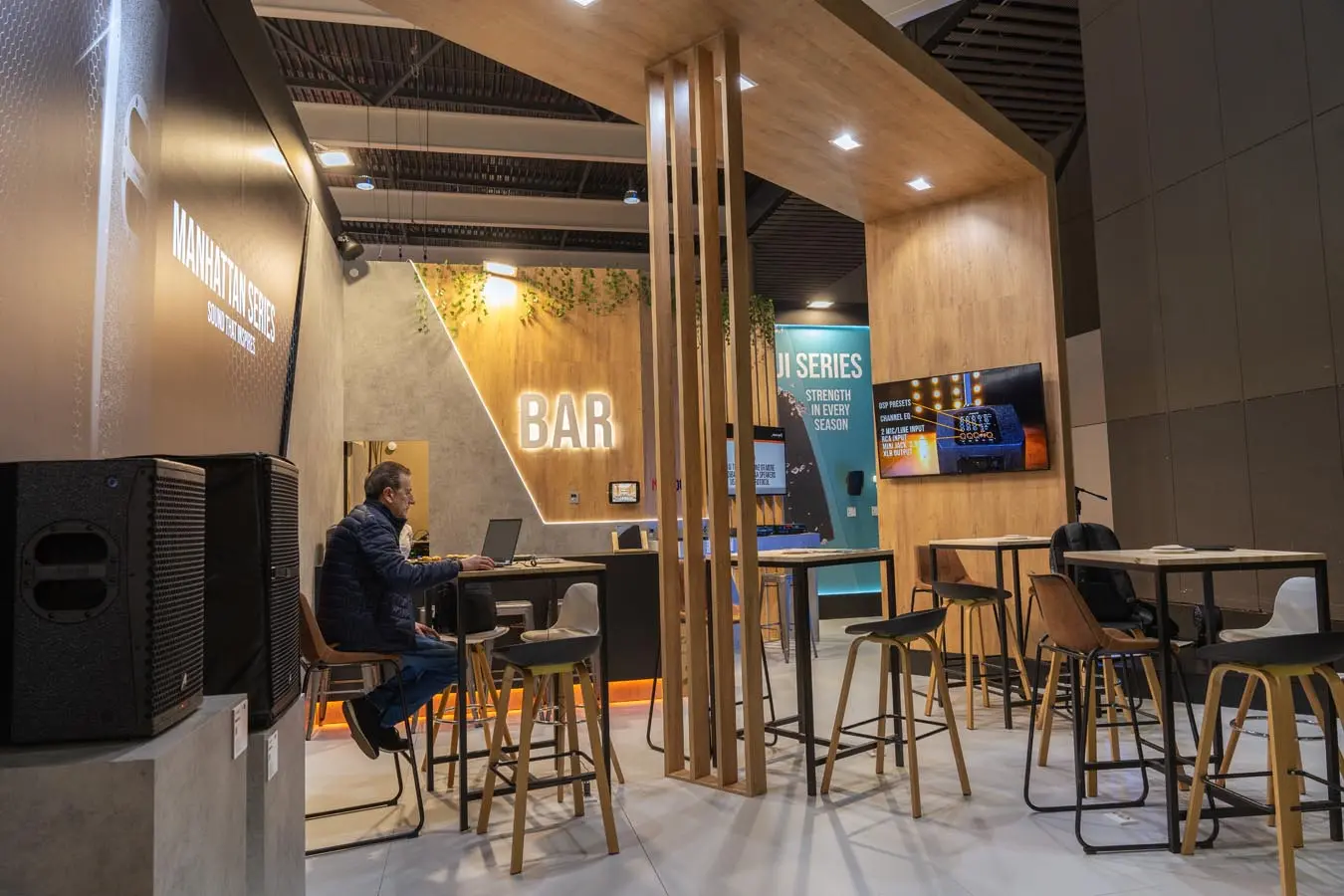
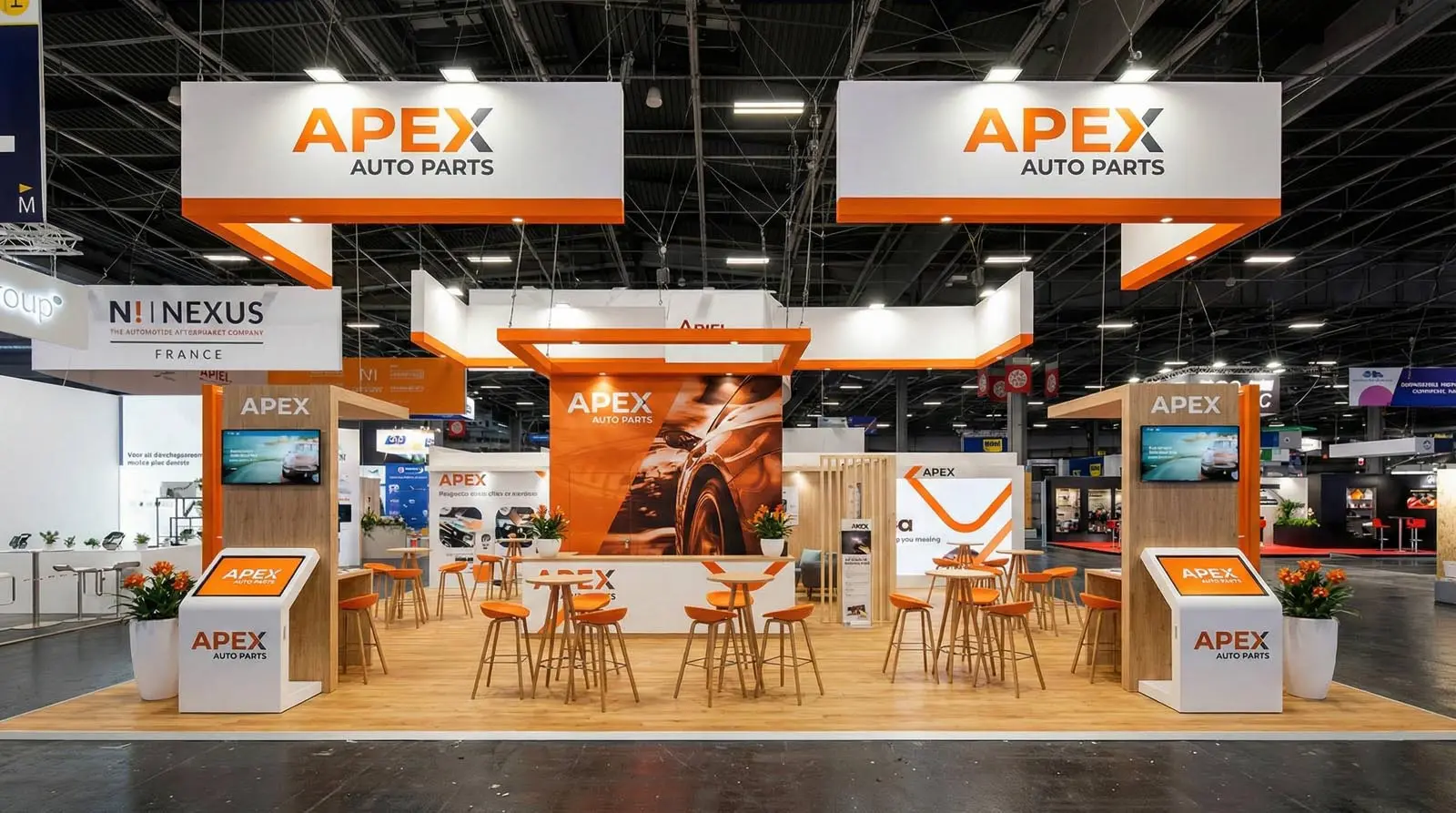
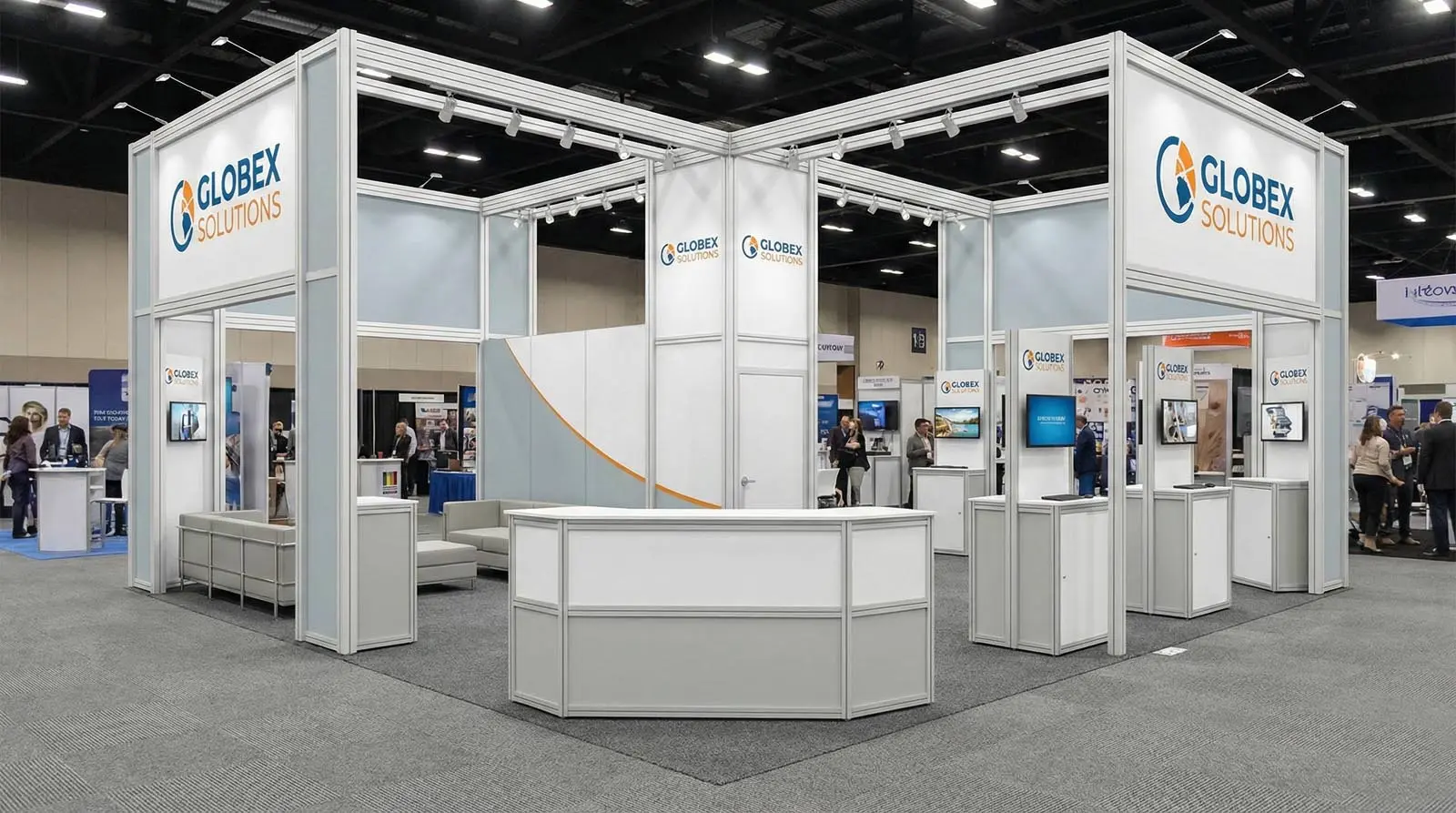
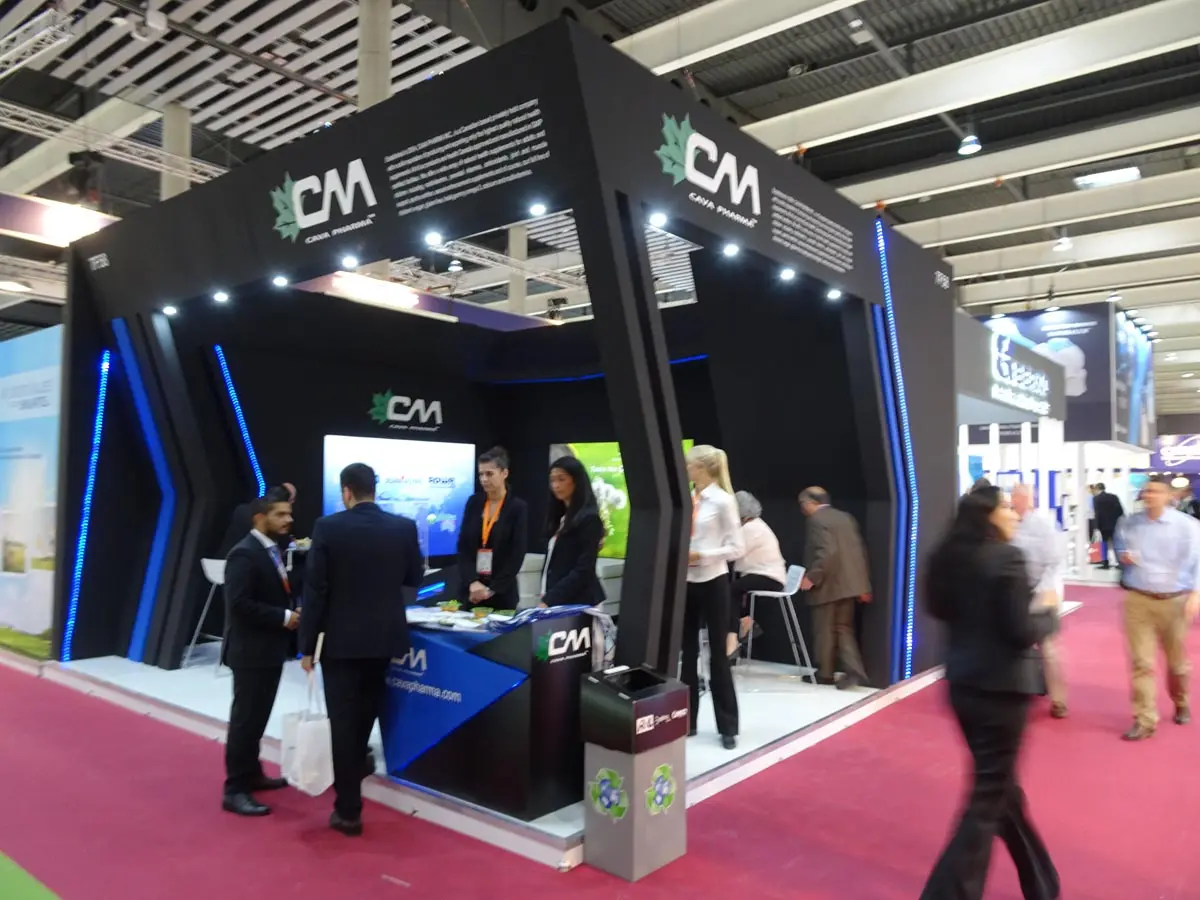
A bespoke stand is typically architecture-led and perception-driven. It’s designed to make the brand feel established, confident, premium, and unmistakably itself.
But here’s the part many teams miss: perception is not just “looking expensive.” Perception is the experience visitors have when they approach and enter your space:
- Do they instantly understand what you do?
- Do they feel welcomed or blocked?
- Do they feel this brand is credible?
- Can they see proof quickly?
- Does the space feel calm enough for serious conversations?
That experience is the real “bespoke value.”
It is built through layout, flow, and discipline as much as through materials and form.
When bespoke is the right choice
(and when it's not)
Bespoke is a strong fit when at least one of the following is true:
1) The stand is part of your positioning
If your brand competes on trust, leadership, or category authority, a flagship stand can change who approaches you. It’s not about vanity. It’s about aligning the physical presence with the market position you want.
2) Your show goals are high-value meetings and partner conversations
If your success metric is not “how many scans,” but “how many serious meetings,” bespoke can create the environment that makes those meetings happen without improvisation.
3) You need an experience, not just a display
Some products and services are understood faster when visitors can experience them. Bespoke can create controlled moments that make belief appear quickly.
4) You need to compete visually at major Barcelona shows
At major fairs, you are often surrounded by global brands with strong stand presence. Bespoke can help you compete, but only if the stand is designed for clarity and not just for spectacle.
Bespoke is usually not the right choice when:
- your timeline is extremely tight and approvals are uncertain
- you need repeatability across many shows with minimal changes (modular or hybrid may be better)
- the team cannot commit to scope discipline (bespoke punishes late changes)
If you want impact with lower risk, hybrid is often the smartest path:
Bespoke vs custom vs modular vs hybrid
(decision logic)
If you’re deciding between stand types, use this logic instead of guessing.
Bespoke
Choose bespoke when you need flagship perception and a designed experience that supports high-value outcomes. Bespoke is strongest when the architectural idea has a clear commercial role.
This page: /bespoke-exhibition-stands-barcelona/
Custom
Choose custom when you need a tailored layout and strong differentiation, but you don’t need a full flagship architectural statement.
Modular
Choose modular when speed, predictability, and repeatability are primary. Modular can be premium when design discipline is strong.
Hybrid
Choose hybrid when you want modular reliability plus one bespoke-like signature that changes behaviour, without creating a full bespoke risk profile.
Bespoke is not “better” by default. It is better when the business case matches the complexity.
The new-school bespoke approach: build the simplest flagship that can win
A high-performing bespoke stand is not the most complicated one. It’s the clearest one.
New-school bespoke design starts with behaviour:
- What makes people stop?
- What makes them understand you in seconds?
- What proof reduces skepticism?
- Where does the conversation happen?
- Where does the next step happen?
- How does the team operate the stand for four days without friction?
Only then do we decide where architecture adds value.
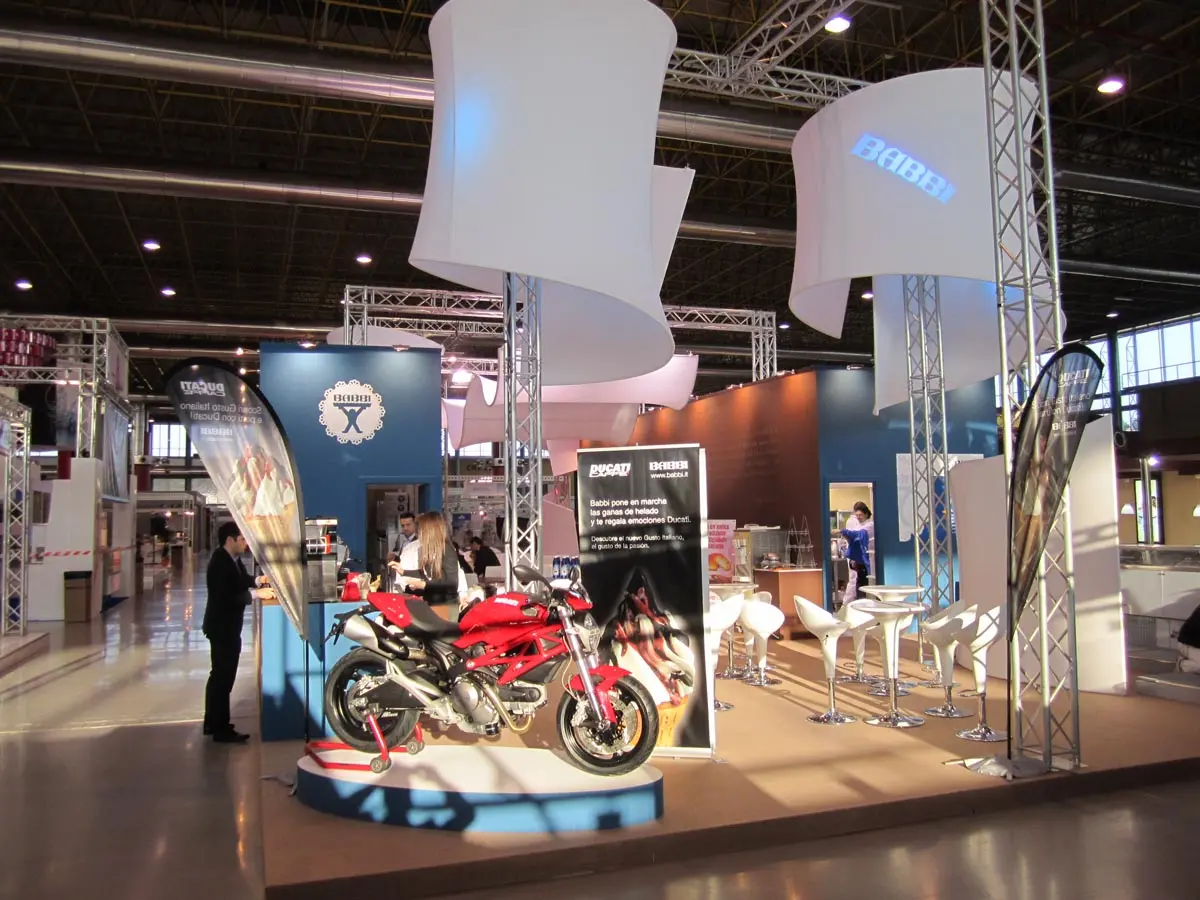
The “bespoke anchor”: one idea that carries the whole stand
Most flagship stands are remembered for one thing: a strong anchor element.
That anchor can be:
- a structured portal or frame that defines entry and presence
- an overhead element that improves visibility and creates confidence from distance
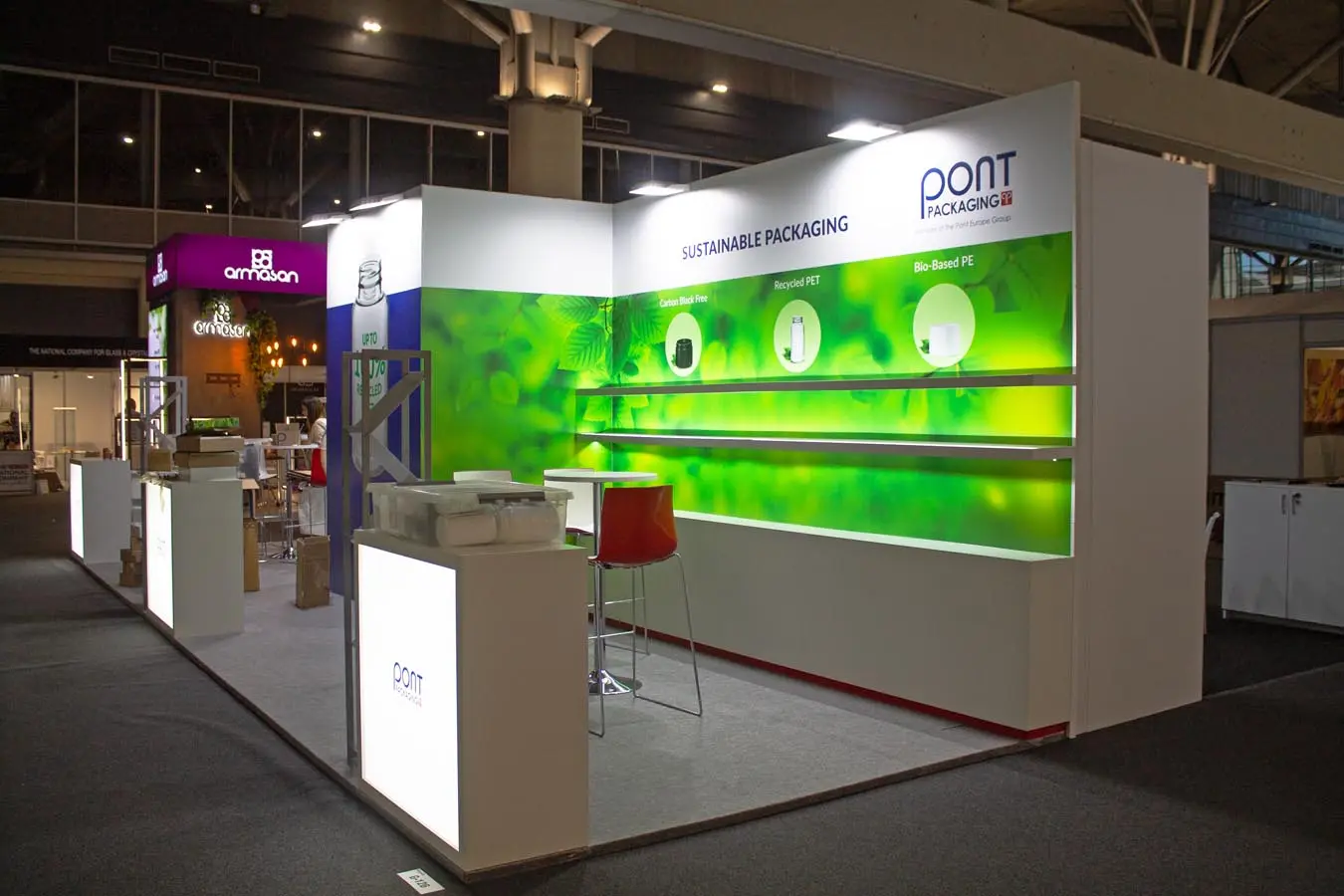
- a feature wall that communicates the offer with clarity, not clutter
- a demo platform designed for visibility and crowd control
- a meeting environment that feels premium and calm, not improvised
The anchor is not decoration. The anchor is the stand’s operating logic made visible.
Bespoke stands by size:
flagship is a strategy, not only a big footprint
Bespoke is often associated with large stands. In reality, bespoke can be effective in smaller footprints when it creates clarity and premium perception without clutter.
Explore sizes and layout logic:
Available footprints include:
3×3, 3×4, 3×5, 3×6, 3×7, 3×8, 3×9, 3×10, 5×5, 8×5, 10×5, 10×10, 15×10, 20×10.
A flagship feel can come from:
- strong message discipline (less text, more clarity)
- a confident anchor element
- lighting and finishing choices where people look and touch
- a calm visitor journey that feels intentional
A large bespoke stand can still feel cheap if it is cluttered and chaotic. A smaller bespoke stand can feel premium if it is clear and controlled.
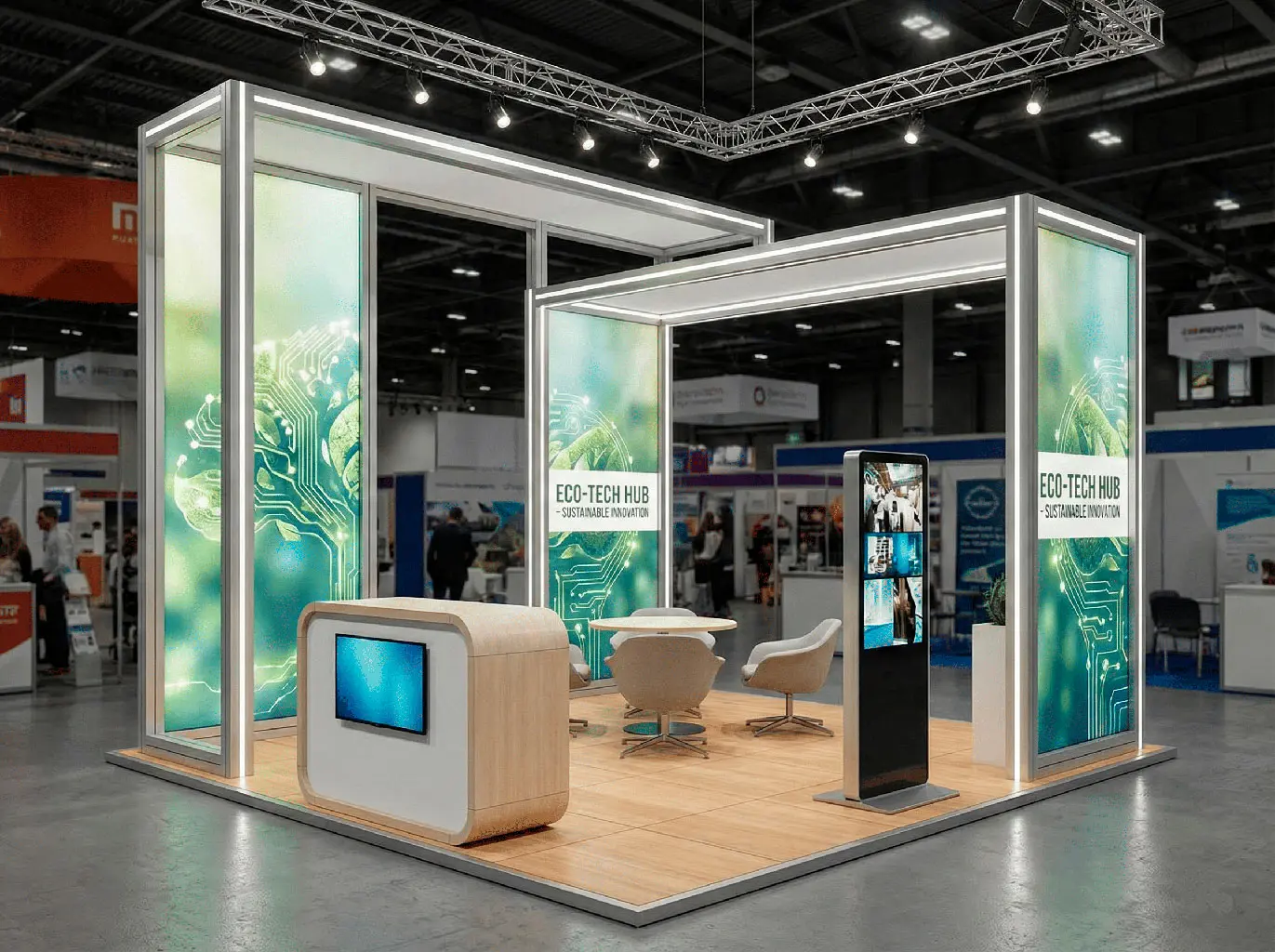
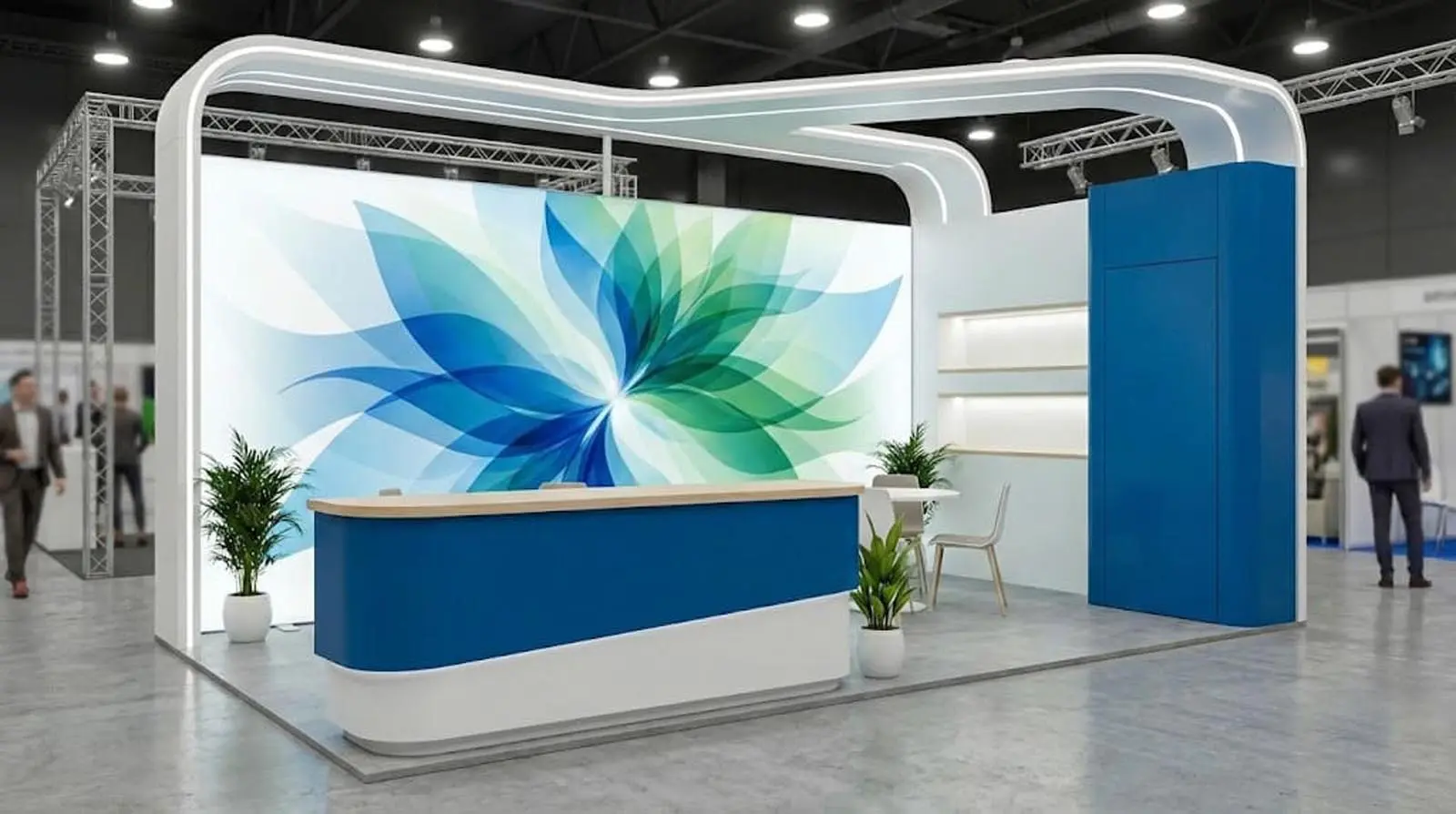
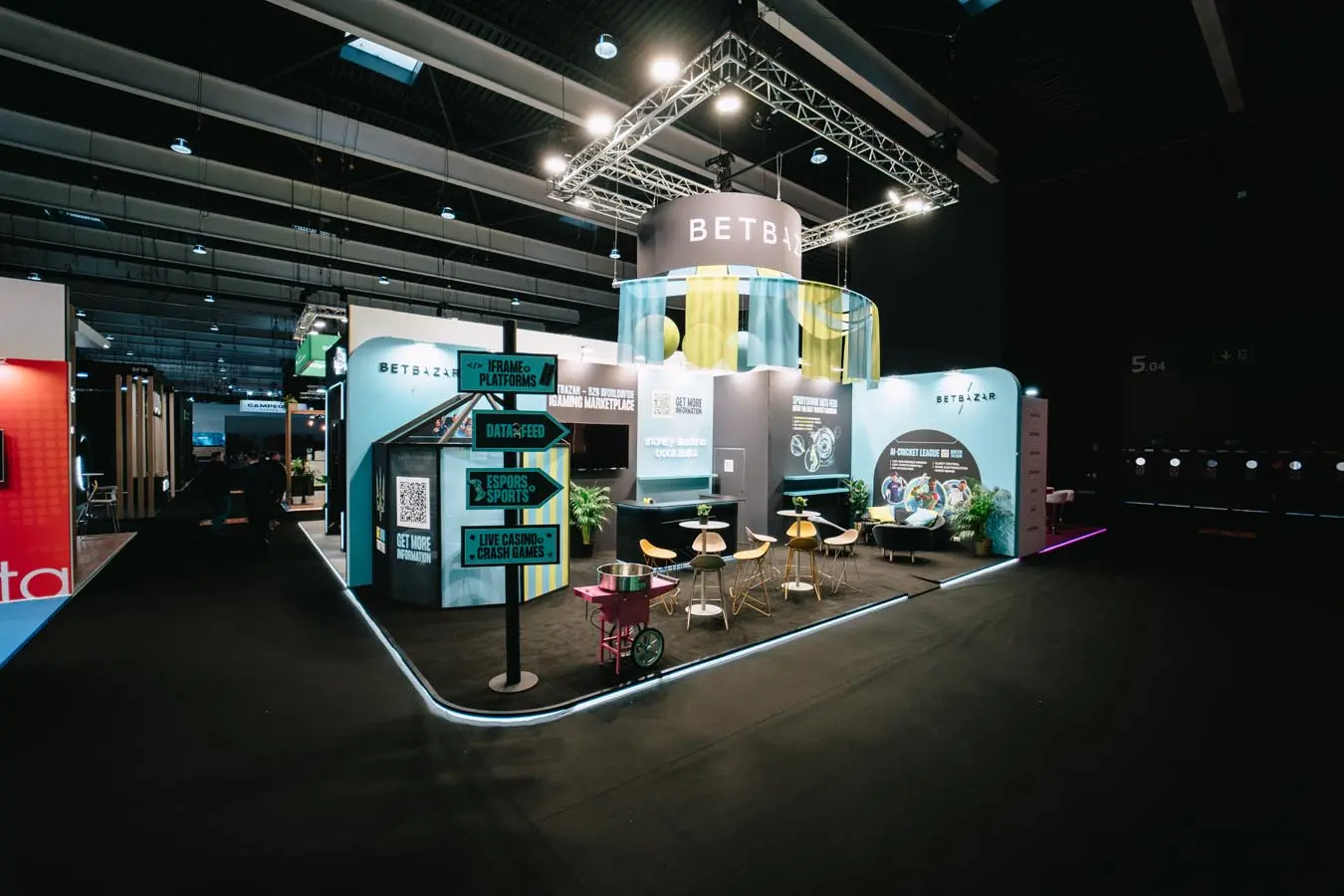
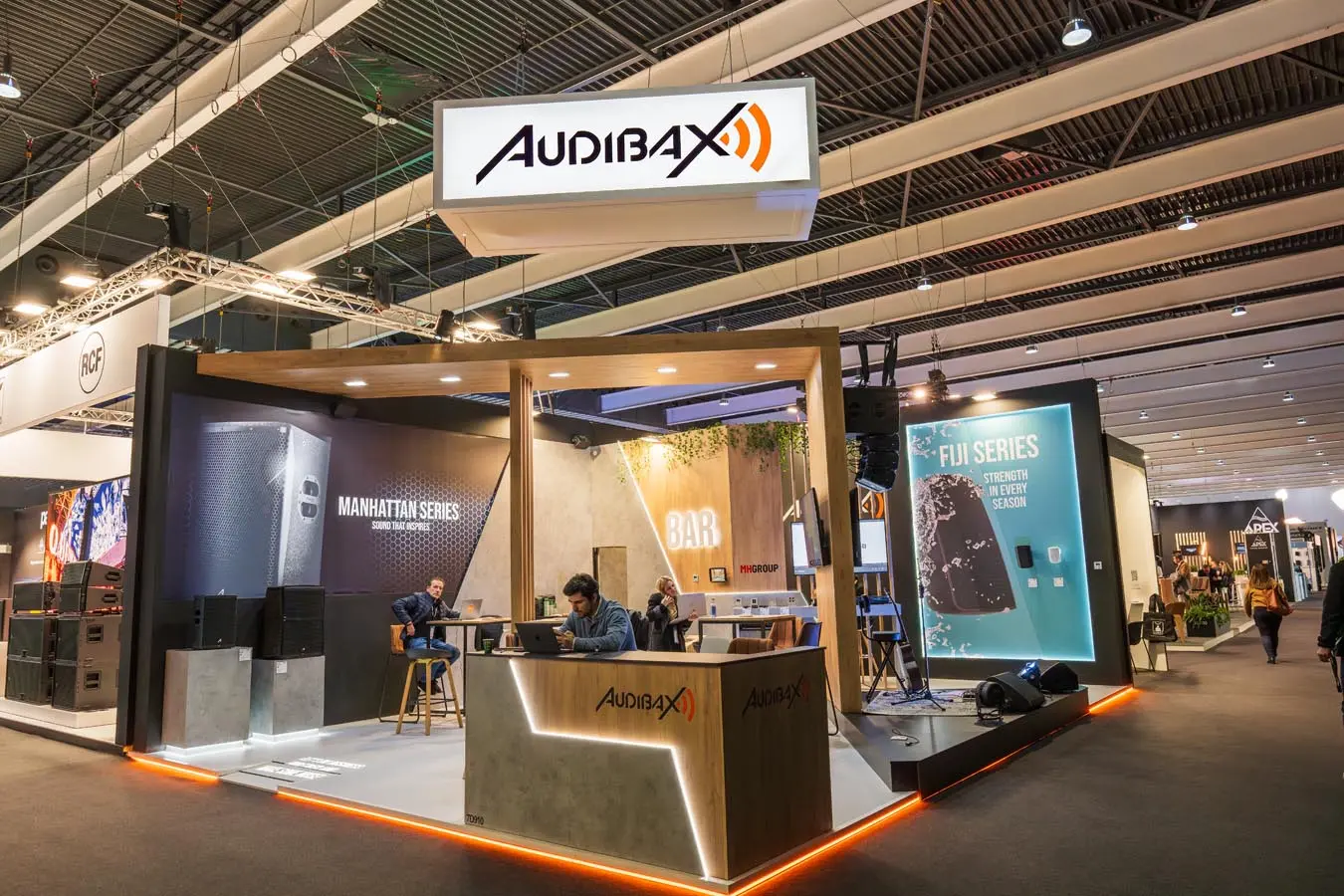
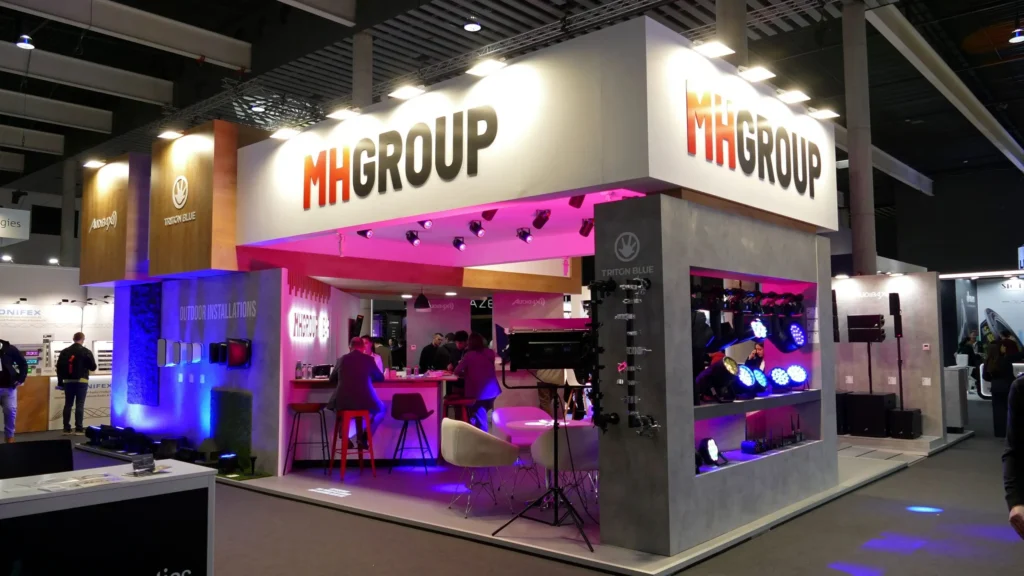
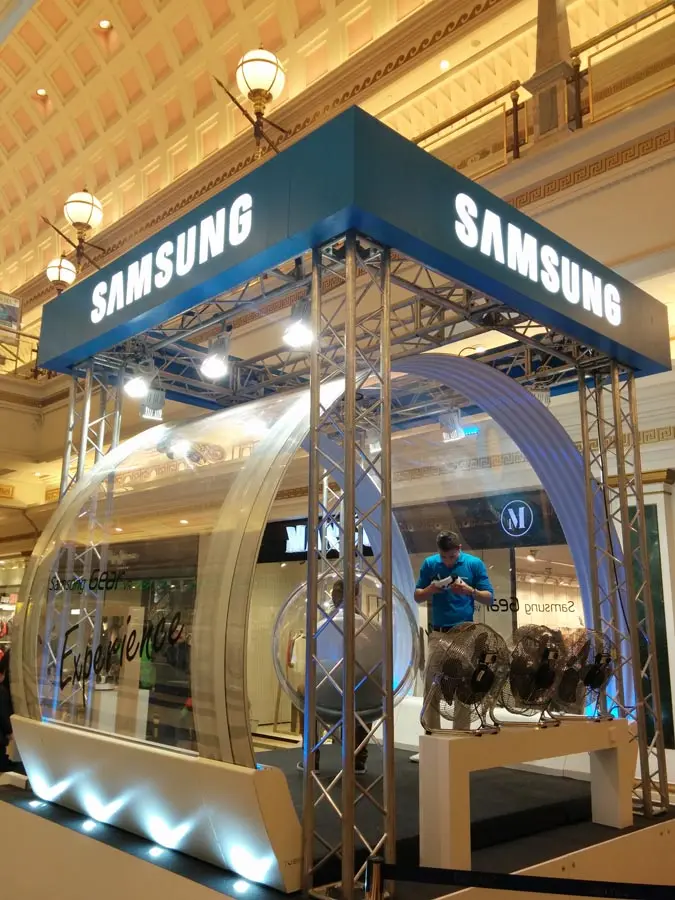
Bespoke exhibition stand design and build in Barcelona
(venue-aware from day one)
Barcelona is not one venue. The constraints, flow patterns, and "what wins" can change depending on where you are.
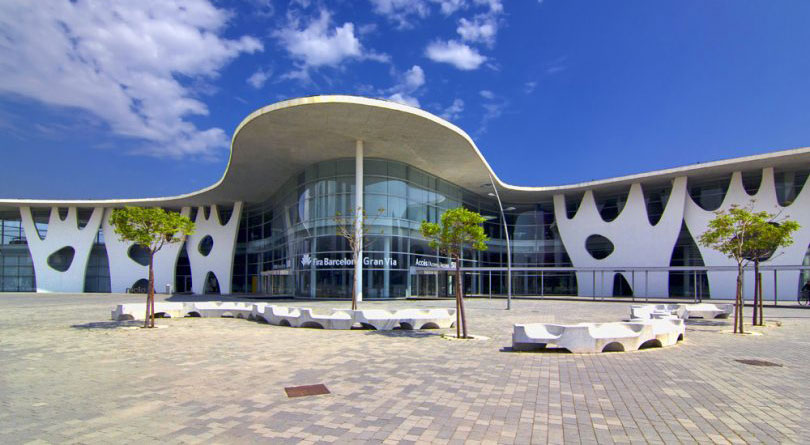
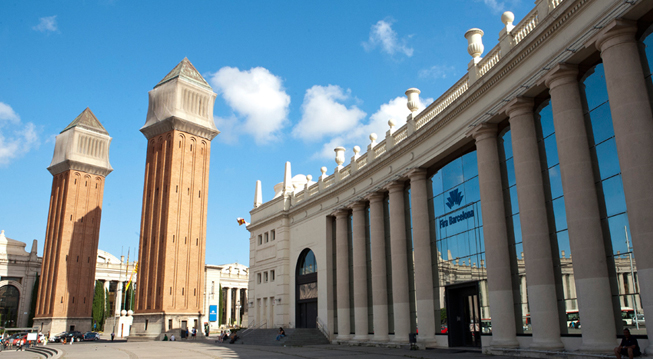
Fira Barcelona Gran Via
Gran Via is high intensity. Visibility and message clarity matter at distance. If the stand is not readable from the aisle, visitors keep moving. If the demo creates congestion, the stand becomes stressful. If meetings are hidden behind walls, inbound interest dies.
Gran Via page:
Fira Barcelona Montjuïc
Montjuïc often rewards disciplined simplicity and buildability. Overbuilding can add risk without adding results. Bespoke can work here, but the best version is controlled: clear zones, clear message hierarchy, and practical operational planning.
Montjuïc page:
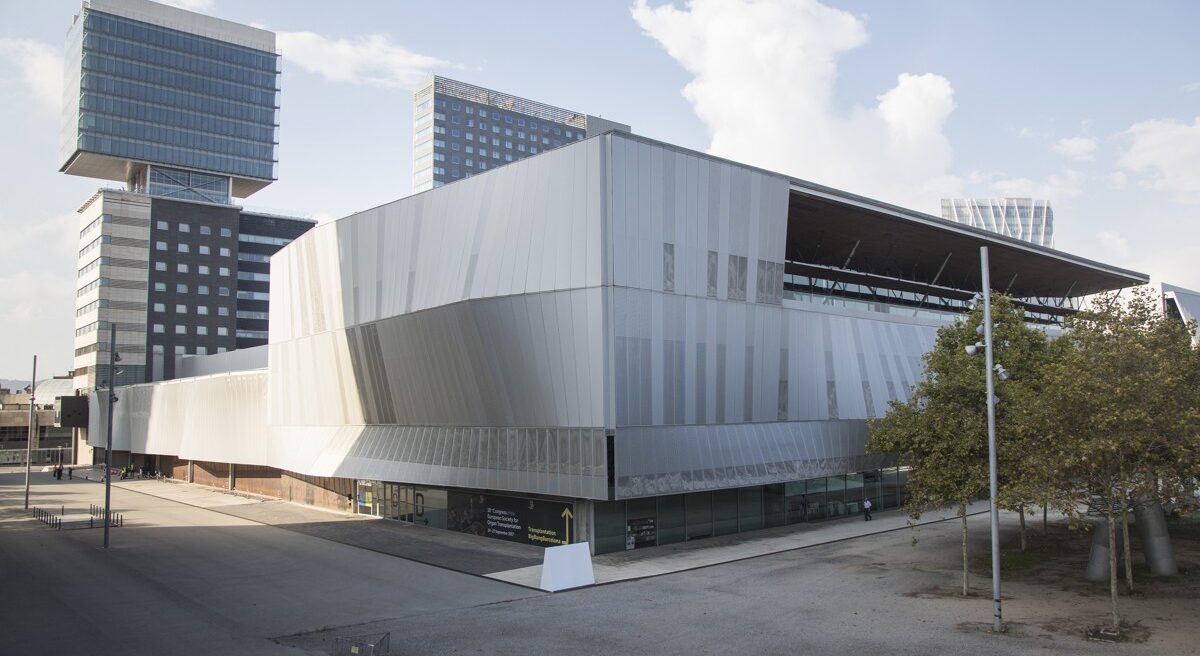
CCIB
CCIB can be meeting-led depending on the event. Calm and professionalism often outperform noise. Bespoke works well when it creates a serious environment for conversation while still offering a clear reason to approach from the aisle.
CCIB page:
Sustainability and bespoke:
the honest version
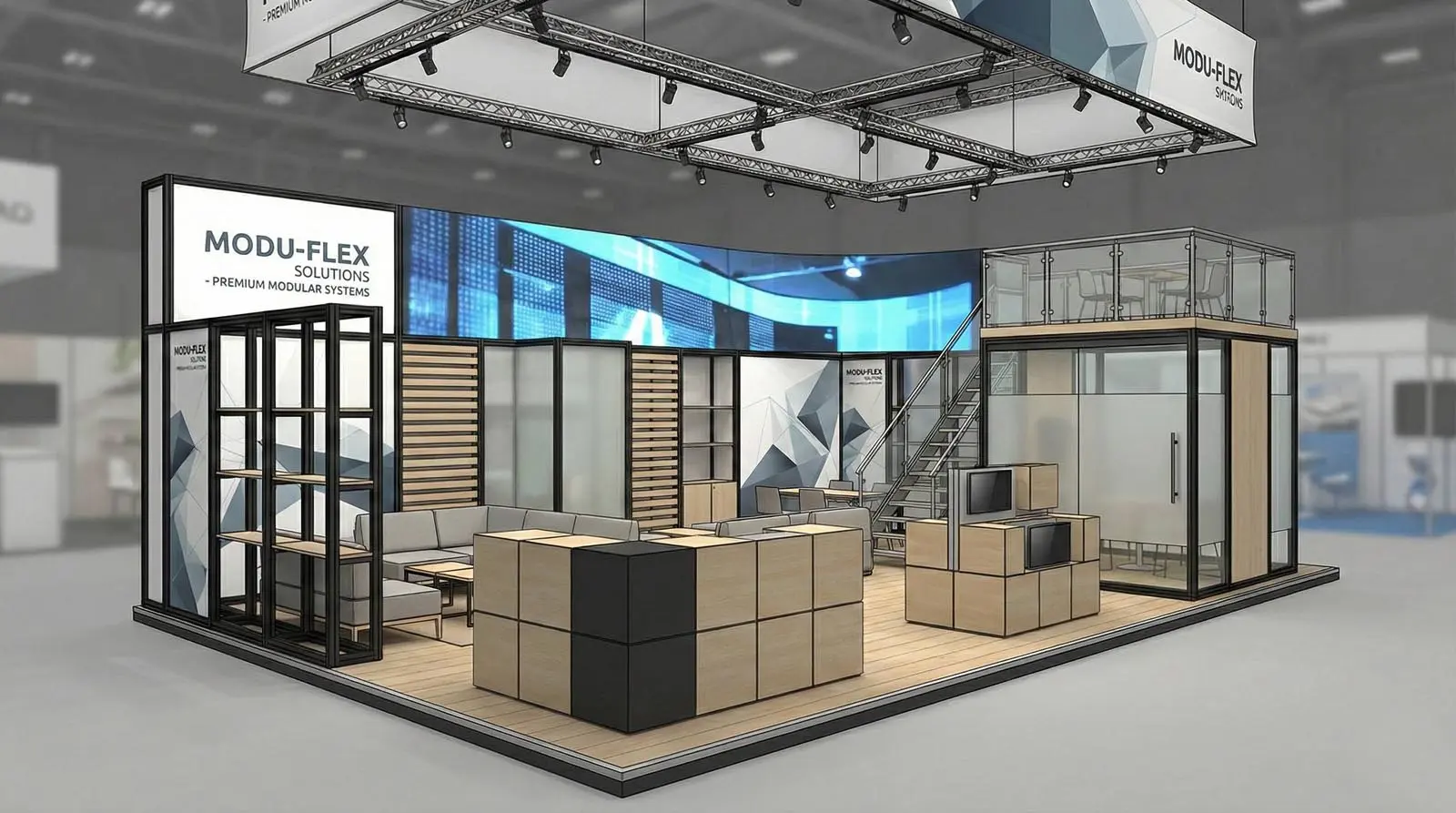
Bespoke does not have to mean waste. But it does require discipline.
Sustainability improves when:
- the anchor element is designed for reuse (not single-event only)
- modular elements are used strategically where they reduce waste
- late changes are reduced (late changes create reprints and remakes)
- the stand is designed as a system, not as a one-time sculpture
If sustainability is a requirement, define what it means for you: reuse across events, reduced printing, simplified scope, or specific constraints. We’ll propose a realistic path.
Sustainability page:
Bespoke exhibition stands Barcelona cost:
what really drives price
If you’re searching for “bespoke exhibition stands Barcelona cost” or “bespoke exhibition stands Barcelona price,” you’re not looking for a single number. You’re looking for the drivers behind the number so you can control it.
The biggest bespoke cost drivers are usually:
- complexity that does not improve performance
- technical requirements discovered late (especially demos)
- finishing level assumptions that were never written
- timeline compression caused by late approvals
- last-minute changes that force rework and reprints
The strongest cost control lever is simple: scope discipline.
For a plain-language cost guide:
For a directional estimate before requesting quotes:
Cost Guide
If you want a cost explanation written plainly
Directional estimate
If you want a fast directional range before requesting quotes
Turnkey bespoke exhibition stands in Barcelona
(what "turnkey" should include)
“Turnkey” is another word that can mean everything and nothing. For a bespoke project, turnkey should mean the project is managed as a complete chain, not a set of disconnected parts.
A proper turnkey mindset includes:
- objective-first layout planning (leads, demos, meetings)
- scope clarity in writing (inclusions, options, exclusions)
- early technical planning (power, AV, lighting requirements)
- production discipline (avoid late changes)
- installation sequencing aligned to venue reality
- a stand that remains operable on day two and day three
If you’re comparing turnkey offers, ask the same questions:
- What is included, clearly?
- What is optional, clearly?
- What is assumed about power/AV/rigging?
- What happens if scope changes late?
- What is the approval timeline?
Turnkey is only valuable if it removes uncertainty.
The bespoke process that keeps projects calm
Bespoke projects become stressful when decisions are hidden or delayed. The cure is a structured process where decisions become visible early.
1) Objective and constraints
Event, venue, footprint/m², open sides, objective (leads, demos, meetings), must-haves, deadline.
2) Concept direction with a clear anchor
One strong idea that carries the stand. Not five competing ideas.
3) Layout and flow locked early
Entry, zones, proof, capture, meeting usability, staff workflow, storage.
4) Scope clarity and options
Inclusions, optional upgrades, and technical assumptions documented.
5) Delivery mindset
Timelines, approvals, production discipline. No heroics, just control.
If you want to plan timing and approvals:
If you want a fast brief structure:
What we need from you to quote bespoke properly
To get a quote that is meaningful and comparable, send:
What we need
- event name + dates
- venue (Gran Via / Montjuïc / CCIB)
- stand size (m²) and footprint if known (e.g., 10×5)
- open sides (1 / 2 / 3 / 4)
- primary objective (leads / demos / meetings)
- must-haves (AV, storage, meeting space, product display)
- deadline for design approval
You can also use the brief template:
Phone: +34 609 70 92 56
FAQs:
Frequently Asked Questions
A flagship, architecture-led stand designed to shape perception and behaviour on the show floor, not just a customised layout.
Custom is tailored to objective and constraints; bespoke is typically flagship and perception-led, with an architectural idea that carries the experience.
It can be, but disciplined bespoke focuses investment where it changes behaviour and perception. Complexity without purpose is what drives cost unnecessarily.
Yes. The best bespoke stands are operable systems: clear flow, usable meetings, visible proof, and staff workflow designed for real show days.
Clarity, lighting discipline, a confident anchor element, clean touchpoints, and operational calm that keeps the stand tidy and professional all week.
Yes, when it is disciplined. A smaller bespoke stand can feel premium if it has one strong anchor and avoids clutter.
Yes. Gran Via requires fast visibility and flow discipline. Montjuïc rewards buildability and simplicity. CCIB can be meeting-led and benefits from calm, professional environments.
A bespoke project managed as a complete chain: objective-first design, scope clarity, technical planning, production discipline, and installation sequencing aligned to venue reality.
Complexity without purpose, late technical requirements, unclear finishing assumptions, late approvals, and last-minute changes that cause rework.
Yes, if designed for reuse where possible and if scope changes are controlled. Sustainability is improved through planning discipline, not just materials.
The earlier objective and scope are locked, the calmer the project becomes. Late changes are the biggest source of cost and timeline stress.
Yes. References are useful when we translate them into behaviour: why it works, how it manages flow, and what proof/capture logic it uses.
Yes. We can work from m² and a footprint range, then refine when the organiser plan confirms dimensions and open sides.
Event, venue, size/m², open sides, objective, must-haves, and deadline. The clearer the scope, the more reliable the quote.
Send your brief via /contact/ or call +34 609 70 92 56.