Stand Build Timeline in Barcelona
from briefing to
on-site build

How long does it take to build an exhibition stand in Barcelona?
Full process explained: brief, design, quote, engineering, production, logistics, on-site build and dismantling—plus the main factors that affect timing.
Building an exhibition stand in Barcelona is not just “construction”. It’s a coordinated process that combines design, technical engineering, production, logistics, and on-site installation under strict venue rules and event deadlines.
This page explains the typical timeline for stand design and build in Barcelona, what happens at each stage, what information we need from you, and what factors shorten (or extend) delivery times.
If you want a fast budget range first, use the calculator and we’ll confirm a realistic schedule based on your show, venue, and build window.
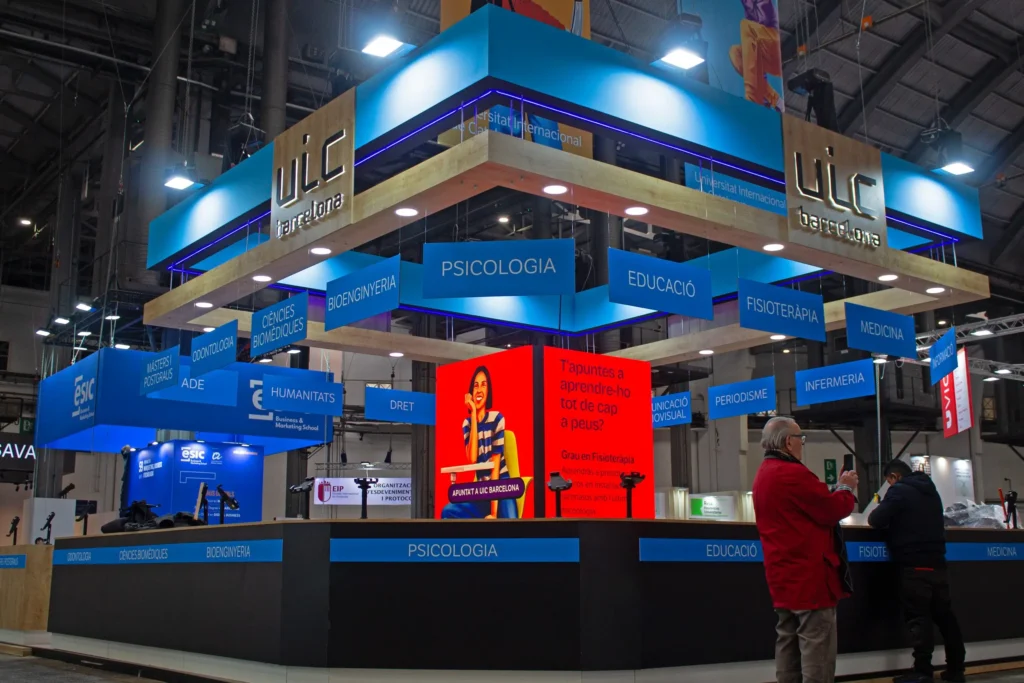
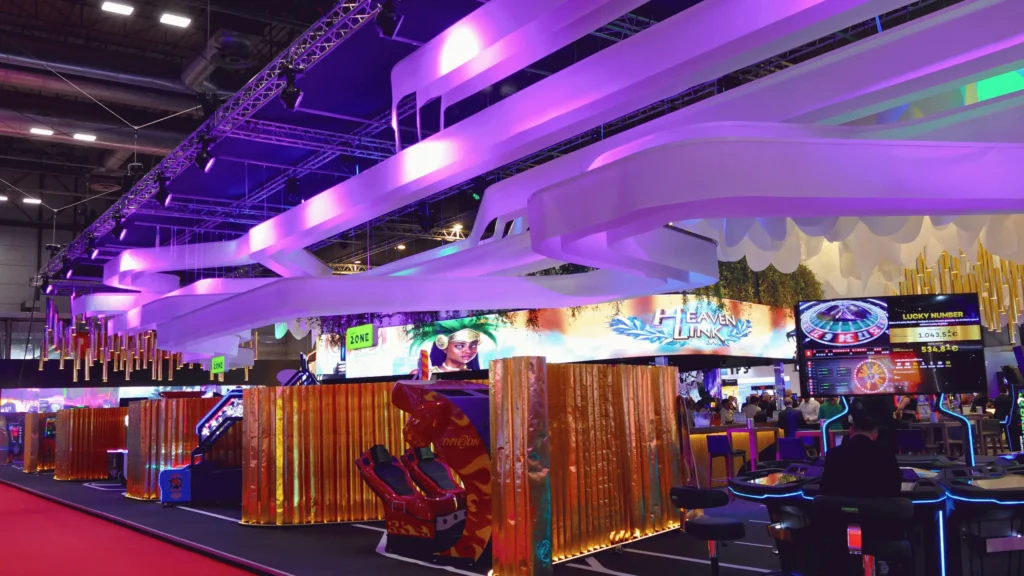
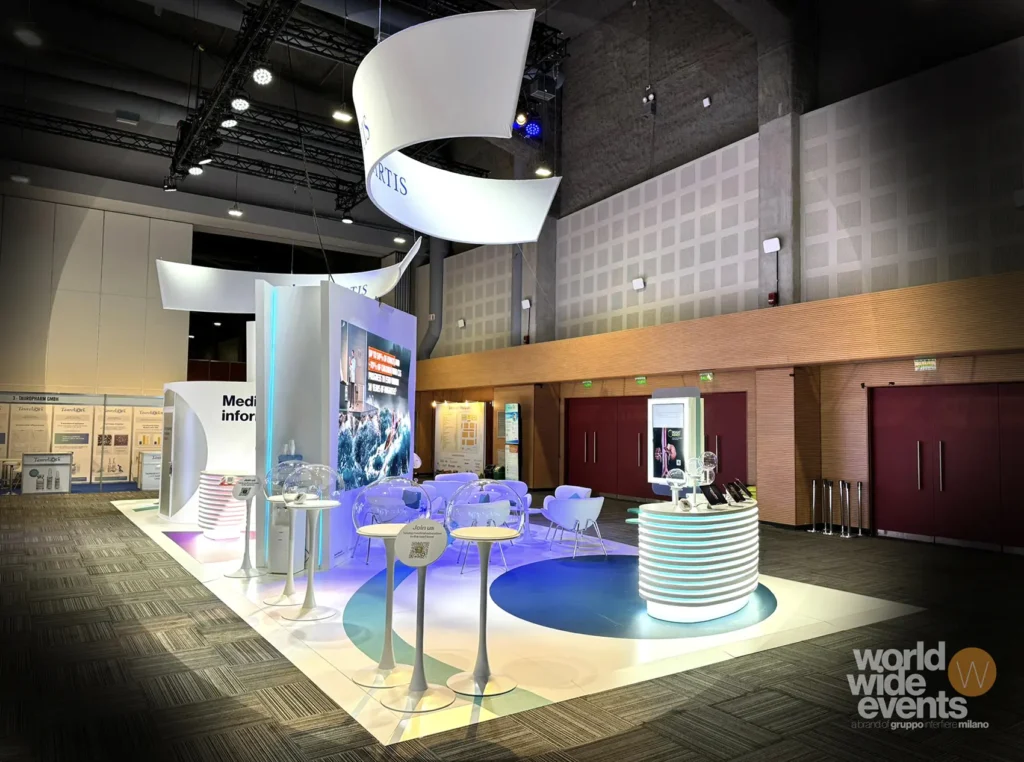
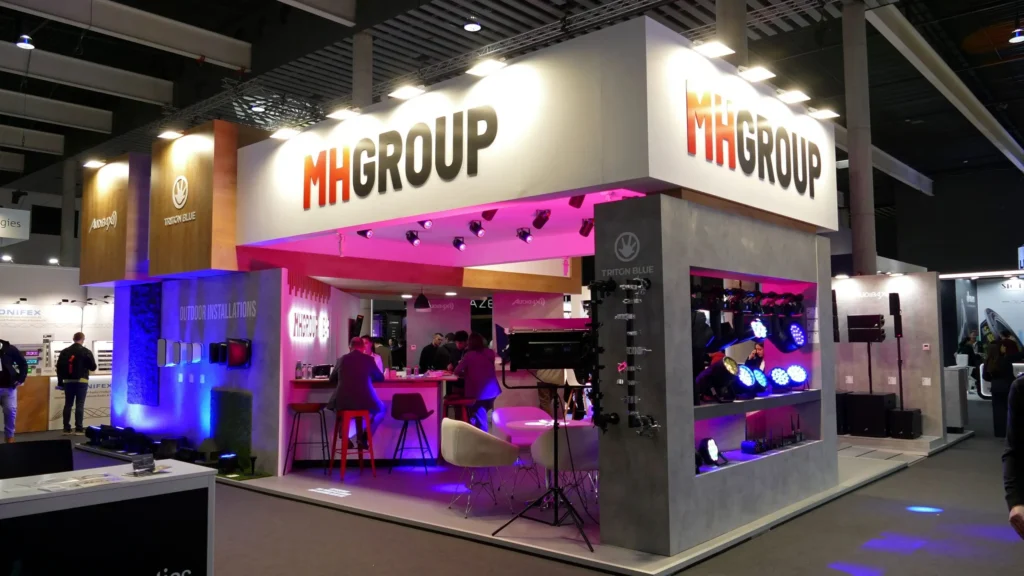
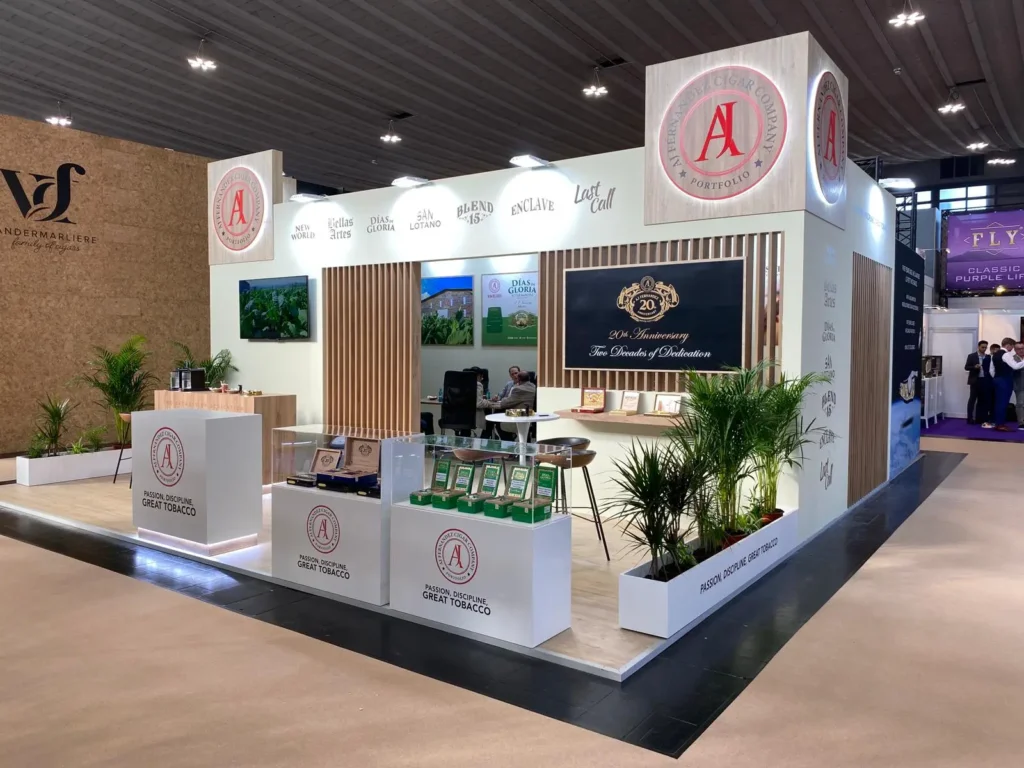
The process at a glance
A standard stand project is usually structured like this:
- First contact and project basics
- Brief and requirements definition
- Concept + 3D design
- Quote and scope lock
- Engineering + technical drawings
- Fabrication + quality control
- Logistics + organiser coordination
- On-site build (installation)
- Event days
- Dismantling + removal
What we need from you (inputs that unlock the timeline)
To keep the project moving and avoid late rework, these inputs matter most:
- Stand size (sqm) and stand position (corner / island / peninsula)
- Event name + dates (build-up, show days, dismantling)
- Main objective: leads, meetings, product demo, retail, branding
- Functional needs: storage, meeting rooms, reception, demo area
- Height intention and any hanging elements (if applicable)
- Finish level and material expectations
- Budget range (even a ballpark helps us propose the right solution fast)
- Brand guidelines and references (what you like / don’t like)
What you get from us
(deliverables by phase)
- Optimised layout for flow, visibility, and conversion
- 3D renders / visual proposal for internal approval
- Clear quote with scope defined and extras separated
- Technical drawings for production and build
- Production management + quality control
- Installation and dismantling coordination with an on-site team
Recommended timeline (weeks)
Weeks 1–2
Briefing, requirements, layout, and concept direction.
Weeks 3–4
3D design, controlled iterations, materials definition, scope lock.
Weeks 5–6
Engineering, technical drawings, structure and build details.
Weeks 7–10
Fabrication, printing, carpentry/metalwork, lighting integration, finishes. QC.
Weeks 11–12
Logistics, access coordination, build schedule, crew planning.
Why this works best: lower risk, smoother approvals, better cost control.
Weeks 1–2
Brief + concept (key decisions must be made quickly).
Weeks 3–4
3D design + scope lock.
Weeks 5–8
Drawings + fabrication (overlapping). Limited late changes.
Weeks 9–12
Logistics + on-site installation.
Important note: approving late compresses fabrication and increases risk and cost.
This is a “compressed” plan where stages overlap heavily:
Week 1
Very clear brief + fast proposal. Decisions in days, not weeks.
Weeks 2–3
3D + drawings + scope lock (continuous changes will break the schedule).
Weeks 3–6
Accelerated production + controlled materials.
Weeks 6–8
Logistics + installation.
Best fit: Modular, Hybrid, or simplified Custom.
Possible only with strict conditions:
- Scope is simple and stable (no late changes)
- Proven construction solutions and available materials
- Priority is compliance + functionality first, aesthetics second
In rush mode, extras and last-minute changes are what inflate cost and risk.
What impacts cost and delivery time the most
These are the main “drivers” behind both budget and timeline:
- More open sides: more finishing, graphics, lighting, visible structure
- Higher / more complex builds: engineering time, build time, safety requirements
- Meeting rooms: walls, doors, finishes, electrics, airflow considerations
- Changes after approval: rework on drawings, production, and suppliers
- Short deadlines: urgent purchasing, extra shifts, more expensive logistics
Extras that can push the final €/m² above the base range
Your base build stays within the category €/m² bracket. However, these extras can push the final total above that base range because they add direct, additional costs:
- Double-decker: structure, calculations, build time, safety compliance
- Raised floor: linear cost per sqm
- Aerial banner: element cost + organiser coordination
- Audiovisuals: additional equipment + electrical requirements
This is normal: the base stand is one scope, and these are additional scopes.
Important: organiser / venue services are separate
A stand build is one part. Organiser/venue services are another, often with strict deadlines and separate ordering systems.
Typically not included in a stand build quote:
- Electrical box, power supply, connections
- Rigging points and approvals
- Water & drainage
- Catering and venue services
- Fees, permits, passes, forklifts, etc. (depends on the show)
We can guide you so you don’t miss deadlines, but these services are provided and billed by the organiser/venue.
What we need from you (so the quote and timeline are accurate)
This is the basic info:
- event name + dates
- venue (Gran Via / Montjuïc / CCIB)
- stand size (m²) and footprint if known (e.g., 10×5)
- open sides (1 / 2 / 3 / 4)
- primary objective (leads / demos / meetings)
- must-haves (AV, storage, meeting space, product display)
- deadline for design approval
You can also use the brief template:
Phone: +34 609 70 92 56
FAQs:
Frequently Asked Questions
For Custom or Premium-Bespoke, 12+ weeks is recommended. For Hybrid, 8–12 weeks is usually realistic. Modular can be shorter, but it depends on the show and hall logistics.
Late changes often trigger redraws, new material orders, and production rework. That impacts both cost and timeline.
Yes, but only with a stable scope and fast decisions. Rush projects work best when the stand is simpler and extras are controlled.
Yes: design, technical plans, fabrication, installation, and dismantling are included. Organiser/venue services are separate.
Any Questions?
hi@stands.barcelona
(+34) 609 709 256